Wedding Dress Restoration: What to Expect and How It Works
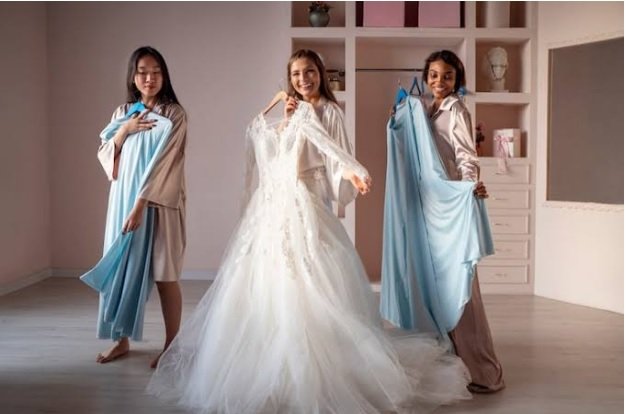
Not every wedding gown arrives at a preservation specialist in pristine condition. Some have sat in a closet for years, others carry visible stains from the reception, and some are heirloom dresses passed down from a mother or grandmother showing genuine signs of age after decades of storage in less than ideal conditions.
Understanding what restoration can realistically accomplish helps set the right expectations before you begin the process.
How Restoration Differs From Standard Preservation
wedding dress restoration focuses specifically on addressing visible damage, deep set staining, and structural wear that goes beyond what a standard cleaning and preservation process typically resolves.
Standard preservation focuses on cleaning a relatively fresh gown and protecting it against future damage, while restoration addresses gowns that already show visible signs of aging, staining, or structural wear. Restoration typically requires more intensive, specialized treatment and takes longer to complete than a standard preservation job.
Common Issues Restoration Can Address
Yellowing caused by age or improper storage, deep set stains from food, drinks, or makeup, torn seams, and loosened beading or lace detailing are among the most common issues a restoration specialist encounters. Each of these problems requires a different treatment approach tailored to the specific fabric and damage involved.
What Happens During the Restoration Process
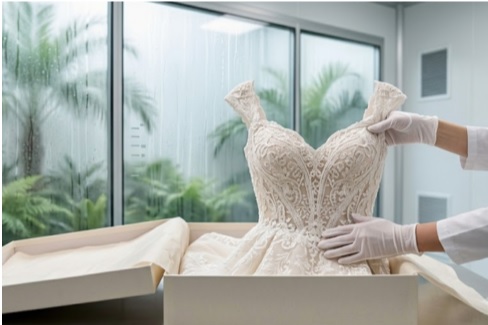
The process typically begins with a detailed assessment of the gown under bright light, documenting every area of concern before any treatment begins. From there, specialists apply targeted cleaning agents suited to the specific type of staining, carefully repair any structural damage, and reinforce weakened seams or detailing before final pressing and preservation.
This careful, methodical approach is what separates genuine restoration work from a simple dry cleaning attempt, which often cannot address deep set stains or structural issues effectively.
Setting Realistic Expectations
While restoration can dramatically improve the appearance of an aged or damaged gown, it is important to understand that some issues, particularly severe yellowing or fabric that has become brittle with age, may not be fully reversible. A reputable specialist should give you an honest assessment of what is realistically achievable before beginning work.
Restoring Heirloom and Vintage Gowns
Heirloom gowns passed down through a family often present unique challenges, since older fabrics and construction techniques may respond differently to modern cleaning methods than a contemporary gown. Working with a specialist experienced in vintage and heirloom restoration specifically helps ensure the gown’s original character is preserved even as damage is addressed.
How Long Restoration Typically Takes
Restoration generally takes longer than standard preservation, often several weeks depending on the extent of the damage and the complexity of the repairs needed. Choosing a provider who communicates a clear, realistic timeline upfront helps you plan accordingly, especially if the gown is needed for an upcoming event.
At Home Restoration Kits Versus Professional Service
At home restoration kits can be a reasonable option for gowns with relatively minor issues, such as light yellowing or a single small stain, while more significant damage generally calls for professional attention. Understanding the severity of your gown’s condition helps you choose the approach that gives you the best realistic outcome.
Cost Considerations for Restoration Work
Restoration typically costs more than standard preservation given the additional time, materials, and specialized skill involved, particularly for repairs to beading, lace, or structural seams. Getting a detailed, itemized quote before committing helps you understand exactly what you are paying for and avoid unexpected costs partway through the process.
Preserving the Gown After Restoration
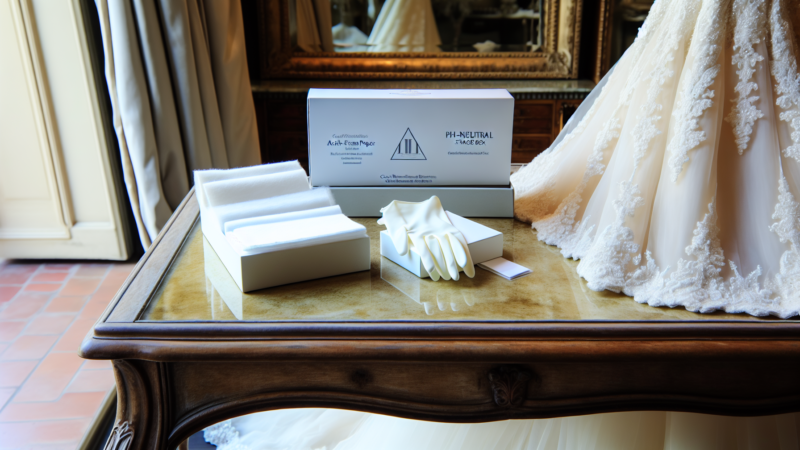
Once restoration work is complete, the gown should be preserved using the same careful process applied to any freshly cleaned dress, including acid free tissue packing and sealing in a proper preservation box. This final step protects the investment you have made in restoring the gown, ensuring the improvement lasts for years to come.
Conclusion
Wedding dress restoration offers a genuine path forward for gowns showing signs of age, staining, or damage, whether from a recent wedding or a treasured family heirloom. Understanding what the process involves, and what results are realistically achievable, helps you approach restoration with confidence.
Working with an experienced specialist, or a well designed at home kit for less severe issues, gives your gown the best possible chance at a renewed appearance.
Whatever condition your gown is currently in, restoration is often far more possible than people initially assume, and reaching out for a professional assessment costs little compared to the value of finding out what can genuinely be done.