How Retailers Are Using Manned Guarding in London to Tackle Rising Shoplifting
Shoplifting presents a practical challenge for retailers, affecting stock availability, staff confidence and daily operations. Busy shops can be particularly difficult to monitor because employees must serve customers, replenish shelves and manage deliveries while remaining alert to suspicious behaviour.
For retailers seeking a more visible security presence, manned guarding London services can provide on-site support through trained security officers, routine patrols and incident response. When planned around a shop’s layout, opening hours and specific risks, this approach can complement existing loss-prevention measures without disrupting the customer experience.
Why Shoplifting Requires a Practical Security Strategy
Shoplifting can involve concealed goods, poorly monitored areas or repeated attempts to target specific products. The risks depend on the store layout, stock, customer traffic and surrounding environment.
Retailers need clear procedures to help staff recognise concerns, report incidents and respond safely rather than simply reacting to missing stock.
Visible security can deter opportunistic theft, but no single measure prevents every incident. Combining trained security personnel, suitable technology, clear procedures and accurate stock records provides a more balanced approach to loss prevention.
How Manned Guarding Supports Retail Loss Prevention
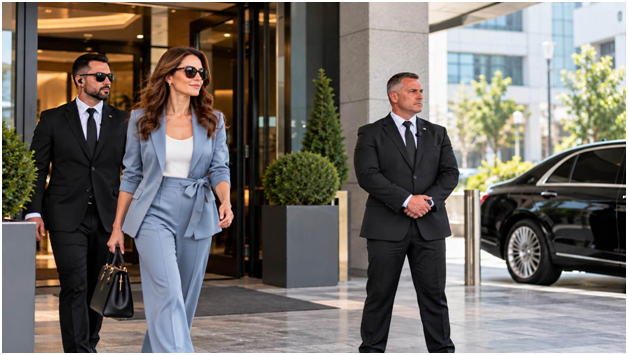
Security officers provide a physical presence that customers and potential offenders can see. Their role may include observing activity, patrolling designated areas, monitoring entrances and responding to concerns according to agreed site instructions.
In retail environments, officers can also help manage situations that require attention without unnecessarily involving shop assistants. This allows employees to focus on customer service while following established procedures for reporting suspicious activity.
The duties assigned to guards should reflect the retailer’s needs. A large store with several entrances may require a different arrangement from a small shop with limited floor space. Working hours, peak trading periods, previous incidents and the value of stock should all inform the decision.
The Importance of Visible Security in Busy Shops
A uniformed security officer can act as a deterrent by making it clear that the premises are actively monitored. Visibility is particularly relevant near entrances, high-value merchandise and areas where staff have limited sightlines.
However, simply positioning a guard at the front door may not address every risk. Retailers should consider whether the officer can observe important areas, move around the premises and communicate effectively with employees.
Patrols can help maintain awareness of activity throughout the shop. Their frequency and coverage should be agreed in advance, taking account of customer movement, restricted areas and operational requirements.
Security arrangements should also remain proportionate. Officers need to be approachable and professional so that legitimate customers feel comfortable asking for assistance.
Combining Security Officers with CCTV and Store Procedures
Manned guarding works alongside CCTV, alarm systems and stock-control procedures to strengthen retail security. CCTV can help monitor difficult-to-see areas and review incidents, while security officers can assess situations in person and coordinate responses with store management.
Retailers should ensure surveillance equipment is properly maintained and used in line with privacy and data-protection requirements. Regular stock checks, clear delivery procedures and prompt reporting of discrepancies can also help identify recurring problems and improve security measures.
Practical Steps for Improving Retail Security
Before introducing or changing a guarding arrangement, retailers should assess their existing procedures and identify where improvements are needed.
The following steps can help establish a more consistent approach:
- Review previous incidents: Examine available records to identify recurring concerns, affected products and periods when additional monitoring may be appropriate.
- Assess the store layout: Check entrances, exits, blind spots, high-value displays and areas where staff visibility is limited.
- Define security duties: Agree patrol areas, reporting responsibilities, escalation procedures and arrangements for communicating with managers.
- Train retail employees: Explain how to report concerns, preserve relevant information and seek assistance without putting themselves at risk.
- Establish incident records: Document relevant details consistently, following company procedures and applicable privacy requirements.
- Review performance regularly: Assess incident reports, staff feedback and changes in trading patterns to determine whether the arrangements remain suitable.
These measures help retailers make decisions based on identifiable risks rather than relying on assumptions about where theft is most likely to occur.
Protecting Staff While Maintaining Customer Service
Shoplifting incidents can create difficult situations for employees, particularly when a suspected offender becomes confrontational. Retail staff should not be expected to place themselves in danger to protect merchandise.
Clear instructions should explain when employees should contact security, when a manager should become involved and when the police may need to be called. Staff should also understand that suspicious behaviour alone does not establish that a person has committed an offence.
Security officers need to remain calm, communicate clearly and follow lawful procedures. Any response should be proportionate to the circumstances, with personal safety taking priority over the recovery of goods.
Retailers should also consider how security arrangements affect ordinary customers. Professional conduct, discreet observation where appropriate and consistent treatment of visitors help maintain a welcoming shopping environment.
Choosing a Suitable Manned Guarding Arrangement
Retailers considering manned guarding London services should choose an arrangement that reflects their premises, stock and security risks.
Check the provider’s experience, officers’ duties, supervision procedures and incident reporting. Confirm that personnel hold the appropriate Security Industry Authority (SIA) licence where required.
Consider when security coverage is most needed, such as busy trading periods, deliveries or opening and closing times. Regular reviews with the provider can help identify gaps and keep security measures suitable as risks change.
Final Insights
Manned guarding can support retail loss prevention by providing a visible security presence, monitoring key areas and helping staff respond to incidents safely. Its value depends on suitable planning, clear responsibilities and effective coordination with CCTV, stock-control procedures and employee training.
Retailers should begin by reviewing their incident records, store layout and existing security arrangements before deciding what level of guarding is appropriate. A risk-based approach to manned guarding London can help businesses make informed decisions while protecting staff, merchandise and the customer experience.