How Gojek Clone Apps Help Small-City Businesses Grow
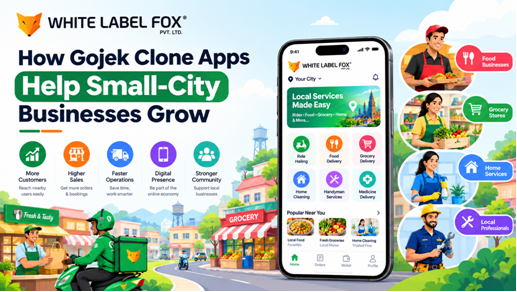
Small cities are becoming promising markets for digital businesses. As consumers increasingly prefer convenient online services, local businesses have new opportunities to reach customers, expand their services, and improve their daily operations. From booking a taxi to ordering groceries, food, or home services, people want multiple services that are easy to access through a single platform.
This shift creates opportunities for startups and entrepreneurs looking to build digital businesses beyond major metropolitan areas. A Gojek Clone Script offers a practical starting point for developing a multi-service platform that connects customers with local service providers.
Instead of launching separate applications for every service, entrepreneurs can create an integrated platform that supports different business categories. With the right market strategy, a gojek clone app can help businesses serve local demand, build partnerships, and expand into nearby markets.
What Is a Gojek Clone Script?
A Gojek Clone Script is a ready-made software solution designed to help entrepreneurs launch a multi-service application inspired by the business model of Gojek. It allows businesses to bring multiple services together under one digital platform.
Depending on business requirements, an app like gojek can support services such as:
- Taxi booking and ride-hailing
- Food ordering and restaurant delivery
- Grocery and medicine delivery
- Parcel pickup and delivery
- Handyman and home maintenance services
- On-demand shopping and local errands
This approach allows businesses to serve different customer needs through a single application. Rather than building an entirely new solution for every service category, entrepreneurs can adapt an existing model to their target market.
For small-city businesses, this flexibility can create opportunities to build a recognizable local brand while serving customers who may have limited access to organized digital services.
Why Small Cities Are Attractive Markets for Multi-Service Apps
Small cities offer a different business environment from large metropolitan areas. Local relationships, community trust, and knowledge of customer preferences often influence purchasing decisions.
A digital platform that understands these factors can create value for customers and business partners.
1. Growing Demand for Convenient Services
Consumers increasingly expect simple ways to book transportation, order meals, purchase everyday essentials, and find reliable service professionals.
However, some smaller markets still have gaps in service availability and digital accessibility. Entrepreneurs can address these gaps by introducing a platform that connects local customers with nearby businesses.
For example, a single platform could help users book a taxi in the morning, order lunch in the afternoon, and schedule a home repair service in the evening.
2. Opportunities to Support Local Businesses
Restaurants, grocery stores, pharmacies, independent drivers, and home service professionals may want to reach more customers without developing their own digital platforms.
A multi-service application can connect these businesses with potential customers and help them receive orders or service requests online.
This creates a business opportunity for entrepreneurs who want to build a digital marketplace while supporting local economic activity.
3. Scope for Expansion Into Nearby Markets
Starting in one city allows entrepreneurs to understand customer behavior, evaluate service demand, and establish relationships with local providers.
Once the business develops a reliable operating model, it can expand into neighboring towns or introduce additional service categories.
A gojek clone app development strategy can support this gradual expansion by allowing businesses to adapt their service offerings as market requirements change.
How Gojek Clone Apps Help Businesses Grow
The primary advantage of a multi-service platform is its ability to bring different business opportunities together. However, success depends on how effectively the platform addresses local demand and delivers a consistent customer experience.
1. Multiple Revenue Opportunities
A multi-service platform can generate revenue through different business activities, depending on its operating model.
Potential revenue channels include:
- Commission on completed orders or bookings
- Delivery or service fees
- Business partnerships
- Subscription plans for participating merchants
- Promotional opportunities for local businesses
For example, an entrepreneur operating a local delivery platform could partner with restaurants, grocery stores, and pharmacies. Each service category can contribute to the business while helping the platform reach different customer groups.
A well-planned gojek app clone can therefore offer more flexibility than a platform focused on only one service.
2. Better Customer Convenience
Customers often prefer services that reduce the effort required to complete everyday tasks. Bringing several services together can make it easier for users to discover local providers and place requests.
A clear interface, reliable service availability, transparent order information, and responsive customer support can improve the overall experience.
For businesses, customer convenience can encourage repeat usage and help establish long-term relationships with users.
3. Stronger Partnerships With Local Providers
Small-city entrepreneurs can use a multi-service platform to create partnerships with existing businesses rather than building every service independently.
For example, a platform owner could work with local restaurants for food orders, retailers for grocery deliveries, and skilled professionals for home maintenance.
These partnerships can help businesses reach new customers while allowing the platform to expand its service coverage.
4. Flexible Business Expansion
Customer needs can vary considerably between cities. One location may have strong demand for taxi booking, while another may offer better opportunities in grocery delivery or home services.
A flexible app like gojek allows entrepreneurs to select services based on local demand instead of following the same model everywhere.
This approach helps businesses prioritize relevant services, test new opportunities, and adjust their expansion plans as they learn more about their markets.
Services Entrepreneurs Can Include in a Gojek Clone App
The services offered through a multi-service platform should reflect the needs of its target audience. Entrepreneurs can begin with a focused service offering and introduce additional categories as their business grows.
1. Taxi Booking and Ride-Hailing
Transportation is an important service category in cities where customers need convenient ways to travel for work, education, shopping, and daily activities.
An uber clone app can help entrepreneurs establish a local ride-booking business by connecting passengers with drivers.
Integrating transportation into a multi-service platform can also help businesses serve customers who need mobility services alongside other everyday solutions.
2. Food Delivery Services
Restaurants often want to accept digital orders and reach customers beyond their immediate surroundings.
With food delivery app development, entrepreneurs can build a platform that connects restaurants, customers, and delivery partners.
A food delivery service can become an important part of a multi-service business, particularly in markets where local restaurants are looking for new ways to increase their online visibility.
3. Grocery and Medicine Delivery
Daily essentials offer another opportunity for entrepreneurs serving smaller cities.
Grocery delivery app development can connect customers with nearby grocery stores and help them order household necessities conveniently.
Similarly, a medicine delivery app solution can connect customers with participating pharmacies. Businesses entering this category should consider applicable regulations, prescription requirements, and pharmacy partnerships in each market.
4. Delivery Anything and Local Errands
Customers may need help delivering documents, collecting purchases, transporting packages, or completing other everyday tasks.
Delivery anything app development enables entrepreneurs to create services that connect customers with delivery partners for a wider range of requests.
This model can be especially useful in smaller markets where customers and businesses need flexible local delivery options.
5. Handyman and Home Services
Home maintenance services can provide another growth opportunity for multi-service platforms.
A Handyman App Like Uber can connect customers with professionals offering plumbing, electrical repairs, cleaning, appliance maintenance, and other household services.
By adding this category, entrepreneurs can extend their platform beyond transportation and delivery into local service bookings.
Key Factors to Consider Before Launching
Although a multi-service platform offers several opportunities, entrepreneurs should validate their business idea before launching.
Understand local demand: Research which services customers use most frequently and identify gaps in existing service options.
Build a reliable provider network: Partner with qualified drivers, restaurants, retailers, delivery partners, and service professionals based on the selected categories.
Prioritize customer trust: Establish clear cancellation policies, transparent service information, dependable customer support, and appropriate provider verification.
Choose relevant service categories: Avoid introducing too many services at once. Begin with categories that have clear demand and can be managed effectively.
Plan for local requirements: Consider business registration, consumer protection, data privacy, transportation rules, and industry-specific regulations in each target market.
A structured gojek clone app development plan can help entrepreneurs align their technology choices with their business objectives and operational requirements.
Conclusion
Small cities offer valuable opportunities for entrepreneurs who understand local customer needs and build services around them. A multi-service platform can connect customers with local businesses, create multiple revenue opportunities, and support expansion into new service categories.
A Gojek Clone Script provides a starting point for businesses that want to combine taxi booking, food delivery, grocery shopping, medicine delivery, parcel services, and handyman bookings within one application.
However, long-term growth depends on more than the application itself. Entrepreneurs must also focus on customer satisfaction, reliable service providers, effective local partnerships, and a clear expansion strategy.
Choosing an experienced clone app development company can help startups and established businesses identify a suitable solution, customize their service offerings, and prepare for growth in their target markets.
Frequently Asked Questions
1. What Is a Gojek Clone Script?
A Gojek Clone Script is a ready-made software solution that helps entrepreneurs launch a multi-service application offering categories such as ride-hailing, food delivery, grocery shopping, parcel delivery, and home services.
2. Is a Gojek Clone App Suitable for Small Cities?
Yes. A gojek clone app can be adapted to the needs of smaller cities by focusing on locally relevant services, partnering with nearby businesses, and expanding gradually as demand grows.
3. Which Services Can Be Included in a Gojek Clone App?
Depending on business requirements, the platform can include taxi booking, food delivery, grocery delivery, medicine delivery, parcel transportation, local errands, and handyman services.
4. Can Startups Customize a Gojek Clone App for Their Business Model?
Yes. Entrepreneurs can select relevant service categories, adapt the customer experience, establish their own brand identity, and configure business processes according to their target market and operational needs.
5. How Can Entrepreneurs Choose the Right Clone App Development Company?
Entrepreneurs should evaluate the company’s industry experience, customization capabilities, supported service categories, security practices, maintenance services, and ability to support future business expansion. They should also review relevant project examples and clarify the scope of the proposed solution before making a decision.