How to Register a Clothing Brand Name: A Step-by-Step Trademark Guide
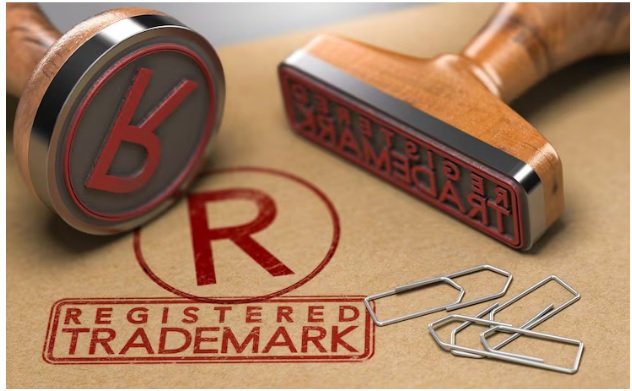
The fashion industry is competitive and crowded, making brand identity one of your most valuable business assets. Whether you are launching a new label or protecting an established clothing line, registering your brand name as a trademark is a foundational step that secures your intellectual property rights and gives you legal tools to stop copycats.
Why Clothing Brands Need Trademark Protection
Apparel brands are particularly vulnerable to imitation. A distinctive name or logo that gains consumer recognition becomes a target for counterfeiters and opportunistic competitors. Without registered trademark protection, your options for stopping an imitator are limited and expensive.
A federally registered trademark gives you the right to use the ® symbol, creates a presumption of ownership nationwide, and enables you to record your mark with U.S. Customs to block the importation of counterfeit goods — a critical tool in the apparel industry where overseas counterfeiting is common.
Step 1: Choose a Strong Trademark
Not every word or phrase qualifies for trademark protection. Marks are classified on a spectrum of distinctiveness, and stronger marks are easier to register and enforce.
Arbitrary or fanciful marks (invented words or words applied in completely unrelated contexts) receive the strongest protection. Suggestive marks require some imagination to connect to the product and are also strong candidates. Descriptive marks (those that describe a feature of the goods) are very difficult to register without proving acquired distinctiveness through years of use.
Avoid choosing a clothing brand name that merely describes your products or geographic origin. Choose something distinctive enough to stand on its own.
Step 2: Conduct a Thorough Trademark Search
Before investing in a brand launch, search existing registered and pending trademarks for similar marks covering apparel. The USPTO’s TESS database is the starting point, but a comprehensive search should also cover state registrations, common law uses, and internet presence.
A conflicting mark — even if not registered — can block your application or expose you to an infringement claim after your brand is established.
Step 3: Identify the Correct Trademark Class
Clothing falls primarily under International Class 25, which covers clothing, footwear, and headgear. If your brand also covers accessories, bags, or other product categories, you may need to file in additional classes. Trademark clothing brand applications that miss relevant classes leave portions of the business unprotected.
Step 4: File the Trademark Application
Submit your application through the USPTO’s TEAS (Trademark Electronic Application System). You will need to provide the mark itself, identify the goods covered, and supply a specimen showing the mark as it is actually used in commerce — for clothing brands, this typically means a label, hangtag, or product photo showing the mark on the garment.
If your brand is not yet commercially available, you can file on an “intent to use” basis and submit proof of actual use later.
Step 5: Monitor and Respond to USPTO Communication
After filing, a USPTO examining attorney will review your application and may issue an office action requesting clarification or objecting to the application on procedural or substantive grounds. Respond within the deadline (typically three months from the office action date) with a well-reasoned reply to keep your application moving forward.
Step 6: Maintain Your Trademark After Registration
Registration is not permanent without maintenance. File a Declaration of Continued Use between the 5th and 6th year after registration, and renew every 10 years. Actively monitor the market for infringing uses, because failing to enforce your trademark can weaken your rights over time.
Conclusion
Knowing how to register a clothing brand name is essential for any apparel entrepreneur serious about long-term success. The registration process requires careful planning, thorough searching, and accurate filing — but the protection it delivers is well worth the investment.