Home Remodeling in Menlo Park: A Homeowner’s Guide to Getting It Right
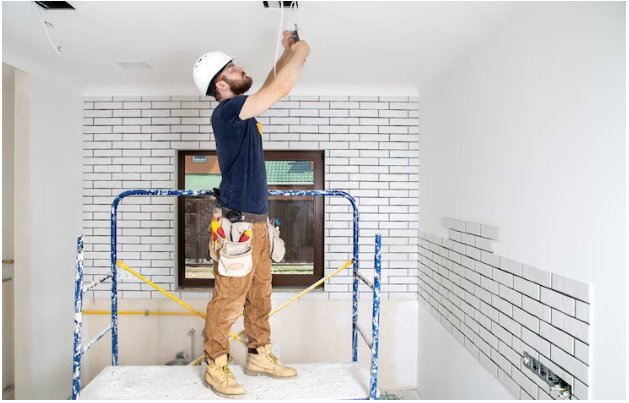
Menlo Park has long been one of the Peninsula’s most sought-after communities — a blend of tree-lined streets, excellent schools, proximity to major tech campuses, and a mix of architectural styles that reflects decades of thoughtful residential development. For homeowners here, remodeling is often not just about updating a space — it is about elevating a property in a market where quality and design integrity are noticed and rewarded.
Navigating Menlo Park’s Permitting Requirements
Menlo Park falls within San Mateo County and has its own municipal planning and building department. Projects involving structural changes, additions, electrical panel upgrades, plumbing modifications, or significant exterior alterations require building permits. Menlo Park also has specific design review requirements for certain types of exterior changes, particularly in neighborhoods with architectural character protections.
Working with a design or construction firm that actively manages the permitting process is a significant advantage. Permit timelines in Menlo Park can range from a few weeks for straightforward projects to several months for complex additions.
Remodeling Trends in Menlo Park
Open-Concept Living: Removing walls to create flowing connections between kitchen, dining, and living spaces continues to be one of the highest-demand updates in Peninsula homes.
Sustainable Materials and Energy Efficiency: Menlo Park homeowners increasingly prioritize sustainable design — solar integration, EV charging infrastructure, energy-efficient windows, radiant heating, and low-VOC materials.
Outdoor Living Integration: With the Bay Area’s favorable climate, expanding usable outdoor living space through covered patios, outdoor kitchens, and pool additions delivers significant quality-of-life value.
Kitchen and Bath Transformations: As in most premium markets, kitchens and bathrooms are the rooms where Menlo Park homeowners invest most heavily.
Why Design-Build Works Well in Premium Markets
For home remodeling menlo park projects, the design-build model offers structural advantages that matter in a high-stakes market. When a single firm holds responsibility for both the design and the construction, there is no finger-pointing between architect and contractor if something needs to be revised. The budget is established early with the actual construction team, reducing the risk of designs that look beautiful but prove unbuildable within budget.
Budgeting Realistically for a Menlo Park Renovation
Construction costs on the Peninsula reflect both labor market conditions and material standards. Homeowners should budget for at least $500 to $800 per square foot for high-quality addition or renovation work, with custom or architecturally complex projects running higher.
Planning a Remodeling Timeline That Works
Understanding the different phases of renovation helps homeowners establish realistic expectations before construction begins. A typical remodeling project involves initial consultations, architectural planning, material selection, permit approvals, and construction. Each stage requires careful coordination to avoid unnecessary delays.
For larger home remodeling projects in Menlo Park, homeowners should account for additional time when structural modifications, custom materials, or extensive inspections are involved. Ordering cabinetry, fixtures, and appliances early can help prevent disruptions once construction begins.
Regular communication with the remodeling team also ensures that homeowners remain informed about project milestones, scheduling adjustments, and important decisions throughout the renovation.
Maximizing Functionality and Long-Term Home Value
A successful remodel should balance visual appeal with practical improvements that support everyday living. Homeowners can prioritize flexible floor plans, improved storage solutions, natural lighting, and durable materials that perform well over time.
For households planning to remain in their properties long-term, incorporating adaptable design features can make spaces more comfortable as needs change. Wider doorways, accessible bathrooms, and multifunctional rooms are examples of improvements worth considering.
Thoughtful planning also helps maintain architectural consistency between renovated areas and the original structure. By focusing on lasting functionality alongside contemporary design, homeowners can create spaces that remain attractive, comfortable, and valuable for years to come.
Conclusion
A well-executed remodel in Menlo Park is an investment in your quality of life and in the long-term value of one of the Peninsula’s most desirable properties. Choosing a team with deep local experience, a track record of delivering design and craftsmanship to the standards of the market, and transparent project management is the foundation of a renovation experience that meets — and ideally exceeds — expectations.