Why Stucco Repair in Sarasota FL Requires a Florida-Specific Approach
Florida’s climate is hard on exterior finishes in ways that property owners from other parts of the country often underestimate. The combination of intense UV radiation, high humidity, seasonal rainfall, and the salt air prevalent along the Gulf Coast creates environmental conditions that accelerate stucco deterioration faster than in drier, less corrosive climates. In Sarasota, where many homes and commercial buildings rely on stucco as their primary exterior cladding, understanding when and how to pursue professional repair is essential for protecting both property value and structural integrity.
How Florida’s Climate Affects Stucco
Stucco is a durable exterior finish when properly applied and maintained, but it is not impervious to the stresses of Florida’s environment. Several specific climate factors accelerate stucco wear in Sarasota.
Moisture cycling — Florida’s rainy season brings intense, frequent rainfall that saturates exterior surfaces and then retreats. This repeated wetting and drying cycle causes stucco to expand and contract, gradually widening existing cracks and propagating new ones.
Salt air exposure — Properties within several miles of Sarasota Bay or the Gulf of Mexico are exposed to salt-laden air that promotes corrosion of the metal lath embedded within stucco systems. When lath corrodes, it expands, cracking the surrounding stucco and creating pathways for water intrusion.
Hurricane and wind-driven rain — Florida’s storm season exposes stucco to wind-driven moisture at intensities far beyond normal rainfall. Even well-maintained stucco can sustain damage during significant storms, and post-storm inspection should be standard practice for Sarasota property owners.
Biological growth — Mold, mildew, and algae growth on stucco surfaces is common in Florida’s humid conditions. Beyond aesthetic concerns, biological growth can retain moisture against the stucco surface and introduce biological acids that degrade the finish over time.
When to Call for Professional Stucco Repair
Not all stucco damage requires the same level of intervention, but professional assessment is necessary to accurately categorize the extent of the problem and identify the appropriate repair approach.
Hairline cracks — Fine surface cracks that do not penetrate through the full stucco thickness are typically cosmetic and can be sealed with elastomeric caulk or paint during routine maintenance. They should not be ignored, as they can widen with continued moisture cycling.
Structural cracks — Wider cracks, particularly those that run diagonally from corners of windows and doors, may indicate settlement or structural movement. These require investigation to determine whether the underlying cause must be addressed before the surface repair is made.
Delamination and hollow areas — Tapping the stucco surface and listening for a hollow sound indicates that the material has separated from the substrate beneath. Delaminated stucco must be removed and replaced, not simply patched over.
Water intrusion damage — Stains, efflorescence (white mineral deposits), or soft areas in the stucco indicate that water has been penetrating the surface. When water enters a stucco system and reaches the framing beneath, wood rot and mold can develop rapidly, turning a surface repair into a structural remediation project.
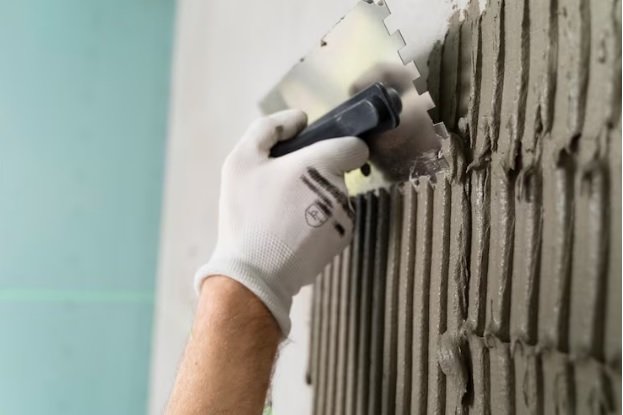
For professional stucco repair in Sarasota FL, the repair process begins with a thorough assessment of the damage extent, followed by removal of compromised material, treatment of any underlying moisture damage, and application of new stucco in layers that match the original system’s composition and thickness.
Matching Existing Stucco: The Aesthetic Challenge
One of the most technically demanding aspects of stucco repair is achieving a color and texture match with the existing finish. Florida’s intense sunlight causes exterior stucco to fade and weather in ways that are difficult to replicate with new material. Experienced stucco contractors address this challenge by using custom color-matched base coats, applying finish texture techniques that closely replicate the original pattern, and sometimes treating the repaired area with a weathering process that reduces the visibility of the patch.
Whole-exterior recoating — applying a fresh elastomeric paint or acrylic finish coat over the entire surface — is sometimes the most effective approach for properties with widespread minor damage, as it creates a uniform appearance and adds a protective waterproof membrane.
Choosing a Stucco Repair Contractor in Sarasota
Florida requires stucco contractors to hold a plastering and stucco contractor license (CC) issued by the Florida Department of Business and Professional Regulation. Verify this credential before hiring. Contractors with extensive experience in Florida’s specific climate conditions bring practical knowledge about material selection and moisture management that out-of-state contractors may lack.
Conclusion
Stucco repair in Sarasota FL is not a purely cosmetic concern — it is a moisture management imperative in a climate where water damage escalates quickly and unpredictably. Professional repair by a licensed, experienced stucco contractor protects your property’s structural envelope, preserves its appearance, and prevents the far more costly remediation that deferred maintenance inevitably creates.