How to Choose the Right Custom Home Design Company for Your Dream Build
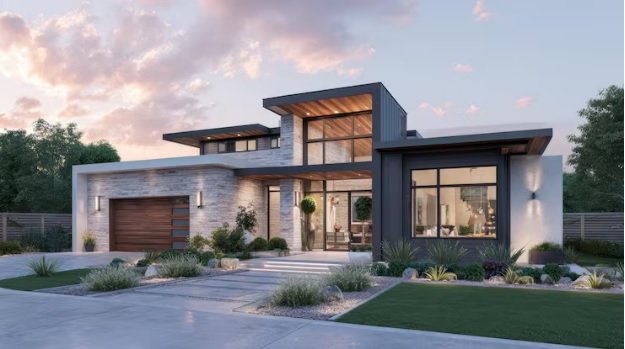
Building a custom home is one of the most meaningful projects a person can undertake. It’s also one of the most complex. Dozens of decisions must align — from the initial land assessment through final finishes — and the quality of every downstream choice depends on the foundation set by your design team. Selecting the right custom home design company isn’t just important. It’s the single most consequential decision in the entire process.
So what does “right” actually look like? Here’s a practical framework for evaluating your options and making a choice you’ll be confident about for years to come.
Start With Portfolio Depth, Not Just Visual Appeal
Every design firm puts its best work on its website. What you’re looking for isn’t whether the photos are beautiful — it’s whether the portfolio demonstrates range, problem-solving, and a consistent level of detail across different project types.
Look for evidence that the firm has designed homes at different scales and in different contexts. Have they built on challenging sites — steep slopes, narrow lots, flood zones? Have they navigated complex zoning environments? Have they worked in architectural styles beyond their apparent comfort zone? A custom home design company with genuine depth can adapt to your specific situation rather than fitting your project into their standard template.
Also pay attention to interior photography. The exterior is the headline, but the interior is where you live. Spaces should feel proportioned, light-filled, and coherent — not just stylish.
Evaluate the Process Before the Product
A beautiful portfolio means little if the process behind it is chaotic. When you meet with prospective firms, pay close attention to how they describe their workflow:
- How do they handle the discovery and programming phase?
- What does client communication look like during design development?
- How many revision rounds are included, and what triggers additional fees?
- Who manages the project if the lead designer is unavailable?
- How are they involved during the construction phase?
A well-run custom home design company has clear, documented answers to all of these questions. Vague or inconsistent responses — or a resistance to discussing process in detail — are warning signs worth taking seriously.
Understand the Fee Structure Completely
Architectural and design fees are typically structured as a percentage of construction cost, a fixed fee, or an hourly rate. Each model has implications for your project, and it’s important to understand them before signing anything.
Percentage-based fees can create misaligned incentives — the more expensive the project, the more the designer earns, which doesn’t always encourage cost-conscious decisions on your behalf. Fixed fees provide predictability but may result in scope creep disputes if the project evolves significantly. Hourly billing requires close oversight to avoid runaway costs.
The best firms are transparent about their fee model, explain its rationale, and can show you what a typical project’s fees looked like relative to total cost. Ask for references from past clients specifically about the fee experience — not just the design quality.
Assess Communication Style and Compatibility
You will spend months — potentially over a year — working closely with your design team. The technical qualifications matter, but so does the human relationship. Does the principal designer ask thoughtful questions during your first meeting, or do they do most of the talking? Do they seem genuinely curious about how you live, or are they already steering the conversation toward a style they prefer?
The best custom home design company for you is not necessarily the most celebrated one in your region. It’s the firm whose communication style aligns with yours, who respects your budget constraints without making you feel apologetic for having them, and who demonstrates that they’re building for you — not for their portfolio.
Check References Beyond the Testimonials Page
Every firm’s website testimonials are curated to show their best client relationships. Go further. Ask for a list of three to five completed projects and contact those homeowners directly. Ask specifically:
- Were deadlines met, or did the design phase run significantly over schedule?
- Were construction documents complete enough that contractors could build from them without constant clarification?
- Were there unexpected fee increases, and how were they handled?
- Would you hire this firm again?
Honest answers to these questions tell you more about a design company than any photograph.
Verify Credentials and Insurance
Licensing requirements for architects and residential designers vary by state. Confirm that the firm you’re considering holds the appropriate credentials and carries professional liability insurance (errors and omissions coverage). This matters not as a formality but as a practical protection — if a design error leads to a construction problem, insurance determines whether you can recover costs.
Making the Final Decision
Once you’ve narrowed your list to two or three finalists, trust a combination of your objective assessment and your instincts. A great custom home design company should leave you feeling more confident about your project after every conversation — more informed, more excited, and more certain that your vision is in capable hands.
Take the time to choose well. The right partner makes an already extraordinary process even better.