Understanding the Role of Hydro Flushing in Professional Drain Maintenance
Drainage systems quietly support homes, offices, commercial properties, and industrial facilities every day. Over time, grease, sediment, sludge, mineral deposits, and other debris can collect inside pipes and gradually restrict normal water flow.
When routine cleaning is no longer enough, professional hydro flushing offers a practical way to restore cleaner, more efficient drainage lines. By using controlled water pressure, the process can loosen and remove stubborn buildup from pipe interiors. It can also support preventive maintenance by addressing deposits before they develop into serious blockages. Proper assessment and suitable equipment remain important because different drainage systems require different pressure levels, nozzle configurations, and cleaning methods.
Modern Drain Care Through Effective Flushing Practices
Professional drainage maintenance combines suitable equipment, controlled water pressure, and regular inspection to keep pipelines functioning efficiently.
1. Removing Stubborn Internal Buildup
Drain pipes can gradually collect grease, sludge, scale, sand, and other materials along their internal surfaces. If left untreated, these deposits can reduce the space available for wastewater to pass through. Professional water flushing directs pressurized water through the pipeline to loosen accumulated material and carry it away. Unlike basic methods that may create a temporary opening through a blockage, thorough jetting can clean larger sections of the pipe interior, helping restore better flow conditions and reducing recurring buildup.
2. Supporting Preventive Drain Maintenance
Drain problems don’t always start with a complete blockage. Slow drainage, unpleasant odors, repeated backups, or reduced flow can indicate developing deposits inside the system. Regular professional cleaning can address these early signs before they become disruptive. Preventive maintenance is especially useful for commercial properties where drainage problems can affect hygiene, daily operations, and customer experience. A planned cleaning schedule can also help property managers spot recurring issues and decide when deeper inspection or specialized maintenance is needed.
3. Using Controlled Pressure For Safer Cleaning
Water pressure is an important part of professional drain cleaning, but higher pressure isn’t automatically better. The appropriate pressure depends on pipe condition, diameter, material, blockage type, and system configuration. Professional operators select suitable nozzles and pressure settings to clean effectively while reducing the possibility of unnecessary stress on existing infrastructure. Controlled jetting is therefore more practical than simply using maximum pressure. Proper equipment selection allows cleaning teams to adapt the process for residential, commercial, and industrial drainage systems.
4. Improving Drainage Flow Efficiency
Accumulated deposits can gradually narrow a drainage pipe’s internal passage. Even when wastewater continues moving, restricted flow can increase the likelihood of future blockages. Thorough flushing removes material from pipe walls and helps restore a clearer passage for wastewater. Improved flow can also reduce standing water and help drainage systems operate more consistently. For properties experiencing repeated slow drainage, professional cleaning can therefore form part of a broader maintenance strategy instead of being treated only as an emergency response.
Hydro Flushing Supporting Long-Term Drain Performance
Effective flushing can become an important part of planned drainage maintenance when properties experience recurring deposits, slow flow, or heavy wastewater usage.
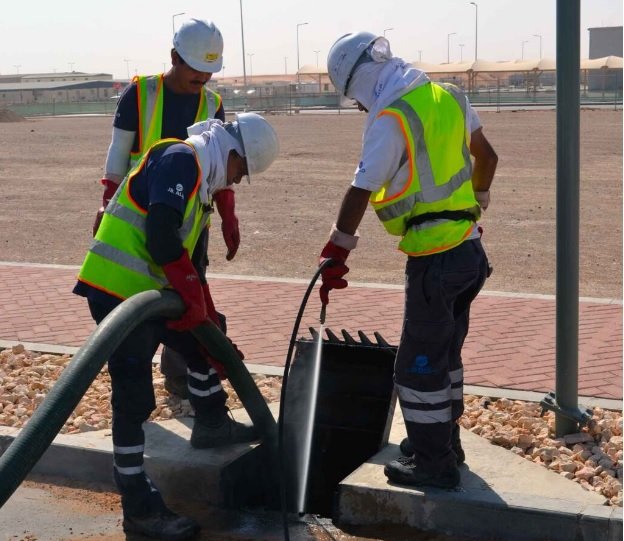
Professional hydro flushing works by directing high-pressure water through specialized hoses and nozzles to break down deposits and move loosened material through the drainage system. The technique can be adapted to different pipe sizes and blockage conditions. For commercial and industrial environments, regular cleaning can help reduce operational disruptions caused by blocked lines and accumulated debris. For residential properties, periodic maintenance may help address buildup before it develops into an emergency. Combining flushing with inspection also gives property owners a clearer understanding of their drainage infrastructure’s condition.
Professional Jetting Applications Across Different Drain Systems
Different properties create different drainage challenges, so professional assessment matters before choosing a cleaning approach.
1. Residential Drainage Maintenance
Homes can experience blockages caused by kitchen grease, food particles, soap residue, hair, sediment, and other everyday waste. Professional jetting can be used for suitable residential pipelines when ordinary cleaning methods are insufficient. Properly selected nozzles and controlled water pressure allow technicians to target internal deposits without relying solely on temporary blockage removal. Regular maintenance can be particularly useful for larger villas and properties with extensive drainage networks where recurring problems may otherwise remain unnoticed until a major blockage develops.
2. Commercial Property Drain Cleaning
Restaurants, hotels, offices, malls, and other commercial facilities place significant demands on drainage systems. Kitchens may produce substantial grease and food-related deposits, while high-occupancy buildings generate continuous wastewater flow. Professional jetting can remove accumulated material from suitable pipelines and help maintain reliable drainage performance. Planned maintenance is valuable in these environments because unexpected blockages can interrupt business operations, create unpleasant conditions, and require urgent intervention. Cleaning schedules can therefore be aligned with property usage and operational requirements.
3. Industrial Pipeline Cleaning
Industrial drainage systems may handle sludge, sediment, chemicals, grease, and other materials that can accumulate over time. These environments often require specialized equipment and experienced operators because pipeline configurations and contamination levels can vary considerably. Professional high-pressure cleaning can target deposits throughout suitable sections of the network while helping restore flow capacity. Before work begins, technicians should evaluate the pipe condition, access points, material buildup, and operational requirements to determine an appropriate cleaning method and pressure configuration.
4. Stormwater And External Drainage Lines
External drainage and stormwater systems can accumulate sand, leaves, construction debris, and other material that restricts water movement. Inadequate cleaning can become particularly problematic when heavy rainfall places additional demand on the drainage network. Professional flushing can help remove accumulated debris from suitable lines and restore clearer pathways for water movement. Regular inspection of surface drains, gullies, and connected pipelines can also help property managers identify potential restrictions before they contribute to flooding or standing water around buildings and external areas.
Conclusion: Choosing Professional Drain Cleaning Support
Professional drain maintenance helps keep pipelines cleaner, improves wastewater flow, and reduces the risk of recurring blockages. Water jetting can address grease, sediment, sludge, scale, and other deposits while supporting both reactive cleaning and planned maintenance. The right approach depends on pipe condition, blockage type, system design, and the cleaning team’s expertise.
For properties requiring high-pressure jet drain cleaning in Dubai, JB Allo Sewage provides professional high-pressure jetting, CCTV drain surveying, and tailored drainage maintenance solutions for residential, commercial, and industrial environments. Experienced technicians and specialized equipment support its services, addressing different drainage needs while ensuring efficient, reliable system performance.