The Science Behind Functional Proteins in Modern Biomedical Research
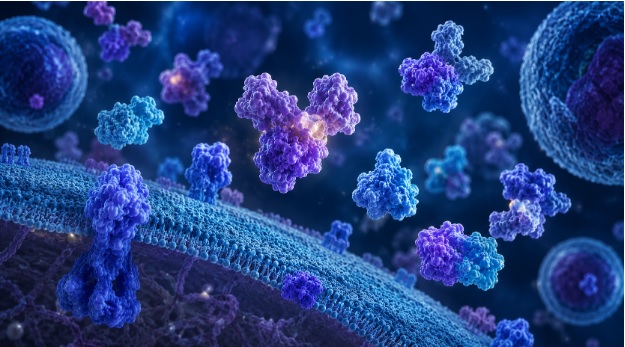
Proteins are the workhorses of every living cell, driving biological processes that range from metabolism and immune defense to cell signaling and tissue repair. In research laboratories, active protein products have become indispensable tools for studying these complex mechanisms under controlled experimental conditions. Whether scientists are investigating disease pathways or screening potential drug candidates, biologically functional proteins provide reliable models for understanding how molecular interactions occur in real time.
As life science research becomes increasingly sophisticated, high-quality recombinant and purified proteins continue to play a central role in generating reproducible and meaningful results.
Why Functional Proteins Matter
Unlike inactive or denatured proteins, biologically active proteins retain their native structure and functionality. This allows researchers to observe authentic biological interactions that closely resemble what occurs inside living organisms.
Functional proteins are widely used because they help scientists:
- Study enzyme activity
- Investigate receptor-ligand interactions
- Evaluate signaling pathways
- Develop diagnostic assays
- Screen therapeutic compounds
- Validate antibody performance
Maintaining biological activity is especially important when experiments depend on precise molecular recognition or catalytic function.
Applications Across Biomedical Research
Protein-based research extends into nearly every field of life sciences. Different experimental goals require different protein classes, but all depend on maintaining structural integrity and biological activity.
Drug Discovery
Drug development begins by identifying molecular targets involved in disease. Functional proteins allow researchers to test whether candidate compounds activate, inhibit, or modify these targets before advancing to more complex biological models.
Early-stage screening often relies on purified proteins to reduce experimental variability and improve reproducibility.
Cell Signaling Studies
Cells communicate through intricate signaling networks involving growth factors, cytokines, kinases, and receptors. Studying these pathways requires proteins that closely mimic their naturally occurring counterparts.
Researchers analyze how signaling molecules influence:
- Cell proliferation
- Differentiation
- Immune activation
- Apoptosis
- Metabolism
These insights help identify pathways that may contribute to disease progression.
Many laboratories source validated active protein reagents to support cell-based assays, biochemical studies, and therapeutic research requiring consistent biological performance.
Immunology Research
Immune responses depend on complex protein interactions between immune cells and signaling molecules. Recombinant cytokines, chemokines, and growth factors help researchers investigate immune regulation, inflammatory responses, and vaccine development.
Functional proteins also support studies examining host-pathogen interactions and immune cell communication.
Characteristics of High-Quality Research Proteins
Not every purified protein performs equally well in laboratory experiments. Researchers typically evaluate several quality indicators before selecting reagents.
Important characteristics include:
- High purity
- Verified biological activity
- Low endotoxin levels
- Batch-to-batch consistency
- Comprehensive quality testing
- Appropriate storage stability
These factors contribute to reliable experimental outcomes while minimizing technical variability.
Choosing the Right Protein for Your Study
Selecting the appropriate reagent depends on the specific objectives of the experiment. Researchers commonly consider:
Expression System
Proteins produced in bacterial, yeast, insect, or mammalian cells may differ in folding and post-translational modifications. Choosing an appropriate expression system helps ensure biological relevance.
Experimental Application
Different applications may require proteins optimized for:
- Cell culture
- ELISA development
- Functional assays
- Structural biology
- Binding studies
Matching the reagent to the intended assay improves overall experimental performance.
Biological Activity Validation
Manufacturers often verify activity using functional assays that demonstrate expected biological responses. Reviewing validation data provides greater confidence before beginning large-scale studies.
Supporting Reproducible Science
Reproducibility has become a cornerstone of modern biomedical research. Standardized reagents reduce experimental variability between laboratories and improve confidence in published findings.
Using proteins supported by detailed characterization data—including purity analysis, activity testing, and quality control documentation—helps researchers produce more reliable and comparable results.
Organizations such as the National Center for Biotechnology Information provide extensive resources describing protein structure, function, and biological pathways, making them valuable references during experimental planning.
Emerging Areas of Protein Research
Rapid advances in biotechnology continue to expand the applications of functional proteins beyond traditional laboratory assays.
Current research areas include:
- Precision medicine
- Cell and gene therapy
- Regenerative medicine
- Personalized cancer treatment
- Artificial intelligence-assisted drug discovery
- High-throughput therapeutic screening
As these technologies mature, demand for highly characterized proteins is expected to grow across both academic and pharmaceutical research.
Improved protein engineering techniques are also enabling scientists to develop more stable, biologically relevant reagents capable of supporting increasingly complex experimental models.
Conclusion
Biologically functional proteins remain fundamental to modern biomedical research because they provide accurate models for studying molecular interactions, signaling pathways, and disease mechanisms. From basic laboratory investigations to advanced therapeutic discovery, these reagents support experiments that require precision, consistency, and biological relevance.
Selecting thoroughly characterized proteins with verified activity helps researchers generate reproducible results while accelerating scientific discovery. As biomedical innovation continues to evolve, reliable protein reagents will remain essential tools for understanding biology and developing the next generation of diagnostics and therapies.