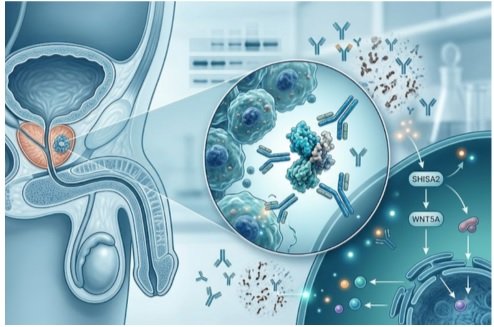
Why Are Recombinant Antibodies Better Than Traditional Animal-Made Antibodies
For decades, antibodies came from animals. Scientists immunized rabbits and mice, harvested their immune cells, and crossed their fingers that the resulting antibodies would work reliably. The system was functional but inconsistent. Every batch was slightly different. Some worked beautifully. Others failed mysteriously.
Recombinant antibodies changed that equation entirely. They eliminate the animal. They eliminate the guesswork. And they deliver something traditional antibodies never could: perfect reproducibility.
The Old System Relied on Living Things
Traditional monoclonal antibodies come from hybridomas. Here is how the process works. Scientists inject an antigen into an animal, usually a mouse or rabbit. The animal’s immune system responds by creating antibody-producing cells. Researchers extract those cells and fuse them with tumor cells to create immortalized hybridomas. These hybrid cells become mini-factories, churning out antibodies indefinitely.
The problem is obvious once you think about it. You are relying on a living cell line. Cell lines drift genetically over time. They mutate. They become unstable. Recombinant antibodies exhibit higher lot-to-lot consistency compared to traditional monoclonal antibodies as they avoid the issues of genetic drift and instability, which are typically associated with classical hybridoma-based technology.
That genetic drift means batch-to-batch variation. An antibody lot produced in January behaves differently than the same antibody made in June. For research, this is frustrating. For therapy, it is unacceptable.
Recombinant Antibodies Are Made From Known Sequences
The shift to recombinant technology transformed production fundamentally. Recombinant monoclonal antibodies are produced using in vitro cloning. Genes for an antibody’s light and heavy chains are inserted into expression vectors, which are then transfected into host cells for expression.
Recombinant antibody technology addresses immunogenicity challenges associated with animal-derived antibodies through humanization strategies, significantly improving their therapeutic potential. Compared to traditional monoclonal and polyclonal antibodies, recombinant antibodies offer numerous unique advantages including superior specificity, reproducibility, and design flexibility.
The reproducibility advantage alone changes everything. Recombinant antibodies have known DNA and protein sequences, so they have excellent batch-to-batch reproducibility and lot-to-lot consistency. They do not suffer from problems such as genetic drift, antibody expression variation, and antibody sequence mutation that are observed in traditional hybridoma production.
Speed and Scalability Change the Timeline
Traditional monoclonal antibody production takes months. Since animal immunization or hybridoma optimization is not needed, recombinant antibodies can be produced within weeks as opposed to months. The large scale production of antibodies is typically needed for the development of diagnostic assays and new therapeutic agents.
This speed translates to cost savings and faster development timelines. When you need antibodies in quantity, recombinant production allows you to get them quickly and reliably.
Phage Display Antibody Production Enables Superior Antibodies
The real power of recombinant technology appears when you combine it with selection methods like phage display antibody production. This is where science becomes elegantly powerful.
Phage display is a technique that allows the selection of antibodies or antibody fragments with a specific binding affinity for a target antigen. Bacteriophages are engineered to display a library of antibody fragments on their surface, then mixed with an immobilized target antigen. The phages that bind to the antigen are isolated and amplified. The process is repeated multiple times to isolate the phage that displays the highest binding affinity to the target antigen.
In 2018, Winter and Smith shared the Nobel Prize in Chemistry for their work in phage display, which revolutionized monoclonal antibody drug discovery. Its advantages, like high throughput, low cost, and a simple process, have made it more popular in biomedicine.
Phage display antibody production can do something animals cannot. Phage display can be used to generate antibodies against difficult or complex targets. Because the technique relies on screening large antibody libraries, it can identify antibodies that bind to targets that may not be accessible by other methods. Phage display has been used to generate antibodies against membrane proteins, which are notoriously difficult to work with due to their hydrophobic nature and limited solubility.
Humanization and Engineering
Traditional animal antibodies have a problem when used therapeutically. Your immune system sees them as foreign. It attacks them. Recombinant antibody technology addresses immunogenicity challenges associated with animal-derived antibodies through humanization strategies, significantly improving their therapeutic potential.
With recombinant antibodies, you can engineer away that problem. Variable region engineering of IgG antibodies improves antigen binding properties, pharmacokinetics, pharmaceutical properties and immunogenicity. They can be conjugated with other molecules, such as biotin, enzymes, and fluorochromes for research purposes and conjugated with toxins and drugs for therapeutic use.
Format Flexibility
Traditional antibodies come in one form: full-length proteins. Recombinant technology offers options. Recombinant antibodies are available in a diverse range of formats, including full-length antibodies, Fab fragments, scFv, chimeric antibodies, and more.
Different formats work better for different applications. Fragments penetrate tissue better. Different species work for different experimental systems. The flexibility opens possibilities traditional antibodies never offered.
Purity and Safety
Recombinant antibodies provide a highly pure product (~98 percent) that does not contain animal pathogens or animal serum components such as IgGs or BSA.
This matters for clinical use. Traditional antibodies carry contamination risk. Recombinant antibodies are produced in defined systems with known inputs. No animal serum means no unknown proteins. No animal infections means no hidden pathogens.
The Real Impact
For researchers and clinicians, this means better tools. For patients, it means more reliable therapies. For the animals that used to be immunized, it means freedom from that role.
The science of phage display antibody production and recombinant technology continues advancing. For those exploring how modern antibody production works and why recombinant methods outperform traditional approaches, detailed technical guidance is available at AAA Biotech.
The future of antibody research belongs to recombinant technology. The old system served its time. The new system serves better.