CCTV Camera Maintenance: When to Clean, Repair or Replace Your Security Cameras
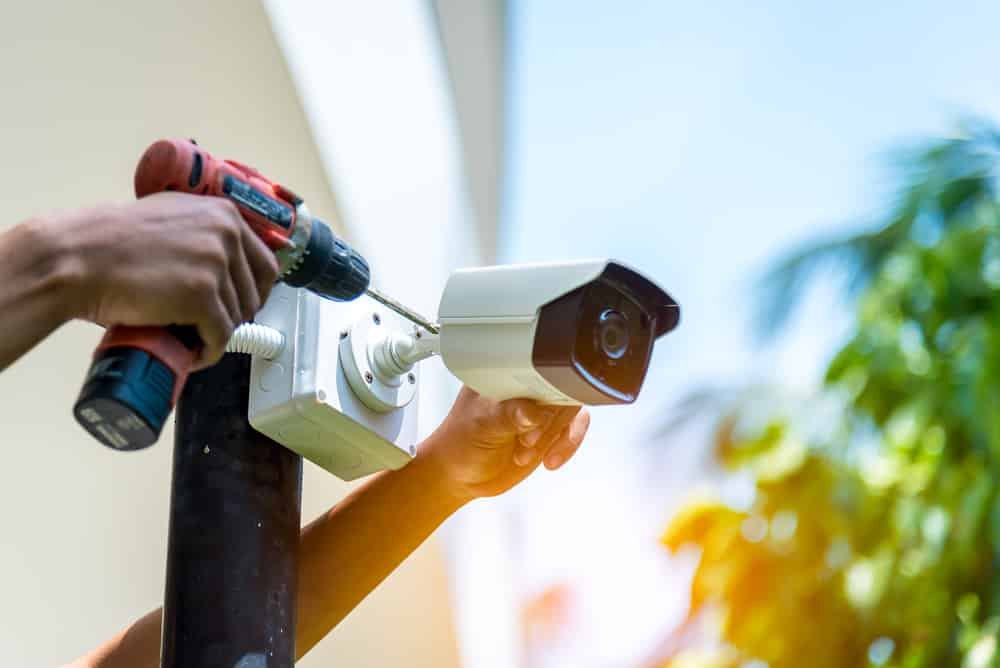
A security camera can still appear “on” while its ability to capture useful evidence is quietly deteriorating. In New Zealand, outdoor systems face more than ordinary dust: exposed sites may deal with wind-driven debris, coastal salt residue, rain, condensation, insects and rapid weather changes. That makes CCTV camera maintenance a reliability issue, not simply a cleaning task.
Before paying for a new camera, property owners should know whether the fault is optical, electrical, network-related or age-related. This guide explains how to judge the difference and what to expect when comparing CCTV maintenance and installation services in NZ.
Clean, Repair or Replace? Match the Action to the Fault
The correct response depends on what changed. CCTV camera maintenance should start with the simplest check, then move toward power, cabling, recording and hardware only when evidence points there. This avoids replacing a healthy unit because of dirt or a connection problem.
Clean When the Camera Works but Detail Has Dropped
Cleaning comes first when the camera stays online and records normally, but the image has become hazy. A dirty camera lens may carry dust, pollen, cobwebs, salt film or dried rain marks. At night, contamination can reflect infrared light and create glare or blurry CCTV footage.
For CCTV camera cleaning, use a microfibre cloth and lens-safe solution. Avoid abrasive products and never spray liquid into housing seams. Clear webs around infrared LEDs. Haze inside the housing suggests a sealing or moisture problem.
Repair When the Failure Is Intermittent or Isolated
Repeated dropouts, flicker, reboots or video loss during wet weather justify diagnosis before replacement. CCTV camera repair may involve a damaged connector, weak power supply, failing PoE port, cable strain or network fault.
Compare the affected channel with a working camera, inspect terminations and check the power path. A water-damaged camera needs caution because corrosion may continue after visible moisture disappears. Repair makes sense only when the cause can be corrected reliably.
Replace When Reliability or Evidence Quality Is No Longer Acceptable
CCTV camera replacement is more sensible when faults return after repair, seals have failed, corrosion is widespread, firmware is unsupported, or the camera no longer captures enough detail. Age alone is not decisive; security camera lifespan varies with quality, exposure, power stability and installation.
Replacement may also be justified when an old camera limits the system, such as poor low-light identification or insufficient vehicle detail. A CCTV system upgrade should solve a defined weakness rather than follow age alone.
Why New Zealand Conditions Change How Cameras Age
A camera in sheltered Upper Hutt can age differently from one exposed in Petone, Porirua or the Kapiti Coast, while Wairarapa properties can experience stronger temperature and rainfall variation. CCTV camera maintenance should therefore follow site exposure rather than a rigid nationwide timetable.
Wellington and Coastal Properties
Wind can shift adjustable mounts, loosen marginal fixings and carry grit onto housings. Coastal air can leave salt residue on exposed surfaces, while wind-driven rain can expose weak seals, cable entries or outdoor junction boxes.
After severe weather, confirm the viewing angle has not moved, and the housing remains secure. Night vision problems should be checked after dark because moisture, webs, nearby walls or vegetation can reflect infrared light into the image.
Hutt Valley and Wairarapa Properties
Sheltered sites may collect less salt residue, but seasonal changes still matter. Vegetation can enter the frame, low winter sun can create glare, insects gather around warm housings, and colder nights may expose condensation.
In Wairarapa, changing conditions make seals, brackets and outdoor connections worth checking seasonally. Preventive maintenance is especially useful after storms, building work or landscaping that may alter alignment or cabling.
The Recorder and Network Need Attention Too
Good security camera maintenance extends beyond the camera because live video does not prove footage is being stored correctly. Check:
- Recorder: NVR maintenance should verify channel status, storage health, recording schedules, system time and playback.
- Power: Check PoE switches, injectors and power supplies for unstable or overloaded ports.
- Cabling: Inspect exposed runs, outdoor joints and terminations for water entry, strain or corrosion.
- Evidence: Play back footage from several previous dates instead of checking live view only.
- Remote access: Confirm apps, alerts and permissions after router, password or firmware changes.
For IP systems, an apparent camera fault may actually start at the switch, network or recorder.
How Often Should NZ Homes and Businesses Check Their Cameras?
There is no useful one-size-fits-all interval. As a baseline, visually inspect exposed outdoor cameras about every three months and after major wind, prolonged rain or nearby property work. Sheltered indoor cameras can be checked less often, while higher-risk commercial sites may justify scheduled CCTV maintenance services.
The purpose of CCTV camera maintenance is to catch deterioration before evidence is compromised. Ask: Is the view correctly framed? Is the picture clear by day and night? Can footage be retrieved with the correct date and time? Those checks matter more than servicing equipment by calendar alone.
When Is Professional Inspection Worth Paying For?
Professional help is worthwhile when a fault keeps returning, affects several cameras, involves moisture ingress, requires network testing, or leaves doubt about recording reliability.
Tech On Road is a regional CCTV setup and support provider whose wider IT capability is relevant to IP surveillance. Its current scope includes camera installation, structured cabling, PoE and network setup, recording configuration, troubleshooting and ongoing system checks across Wellington, Hutt Valley, South Wairarapa and Kapiti.
Before approving work, ask what failed, why it failed, whether the repair should last and what measurable benefit replacement would provide. Those answers support evidence-based comparison rather than sales pressure.
Choose the Option That Protects the Evidence You May Need
Clean when contamination reduces clarity, but the camera remains stable. Repair when a specific power, cabling, network or component fault can be corrected reliably. Replace when recurring failures, internal damage, unsupported hardware or inadequate image quality make the existing unit unreliable.
Treat CCTV camera maintenance as evidence protection, not cosmetic upkeep. Review day and night footage, test playback and inspect exposed housings before failure forces the decision. Identifying what changed and why makes it easier to choose the right intervention and keep the system dependable when an incident occurs.