5 Situations Where You Need Immediate Dental Attention (And Why Waiting Is Risky)
Dental pain is your body’s way of telling you something needs attention. But not all tooth-related issues demand the same urgency—and confusion about what qualifies as an emergency often leads people to either overreact or dangerously underestimate a serious problem. Here are five situations where you definitely need to see a dentist immediately, and why postponing care can have real consequences.
1. Severe Pain That Won’t Stop
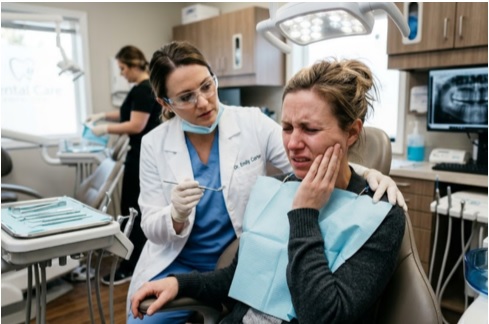
If you’re experiencing intense tooth pain that persists for several hours despite over-the-counter pain medication, something is seriously wrong. This level of discomfort typically indicates either a deep cavity affecting the nerve, an abscess, or significant decay. The pain is your signal that the problem has progressed beyond surface-level issues.
Many people try waiting it out, assuming the pain will eventually subside. It won’t—it will likely worsen. The inflammation and infection causing your pain tend to spread deeper into the tooth structure and surrounding tissues when left untreated. Getting immediate care prevents the need for more extensive treatment later.
2. Facial Swelling or Visible Abscess
Swelling in your face, jaw, or neck signals that infection has moved beyond your tooth and into surrounding tissues. This is particularly concerning because infections in the facial area can spread rapidly and, in rare cases, become life-threatening. A visible abscess (a pus-filled bump on your gum) is another clear sign that professional intervention is overdue.
Antibiotics alone won’t permanently solve the problem—the infected tooth itself needs professional treatment. Never assume that swelling will disappear on its own. Seek professional evaluation immediately when you notice any facial puffiness related to dental issues.
3. Knocked-Out or Severely Cracked Teeth
When a tooth is knocked completely out through trauma—whether from sports, accidents, or falls—time becomes your enemy. You have a limited window (ideally within 30-60 minutes) to have the tooth reimplanted for it to have the best chance of survival. Even if you don’t think the tooth can be saved, professional assessment is critical for determining treatment options.
Severely cracked teeth are similarly urgent. The crack may extend into the root or pulp, making the tooth unsalvageable if not addressed quickly. Additionally, the exposed interior of the tooth becomes vulnerable to bacteria and further damage.
4. Uncontrolled Bleeding
While some bleeding after trauma is normal, bleeding that won’t stop after 30 minutes of firm pressure is a sign you need immediate care. Excessive bleeding could indicate damage to blood vessels or severe tissue trauma that requires professional assessment. Don’t assume your body will simply heal itself—professional evaluation ensures nothing serious is being missed.
5. Fever Combined with Dental Pain
When tooth pain is accompanied by fever, chills, or general illness, this signals that infection has spread systemically. Your body is fighting a significant infection, and you need professional care immediately. Delaying treatment when fever is present puts your overall health at risk, not just your dental health.
Why DIY Solutions Aren’t Enough
Countless people attempt to manage dental emergencies using home remedies, essential oils, or over-the-counter products. While these might provide temporary relief, they’re addressing symptoms, not solving the underlying problem. Temporary solutions allow infections to deepen, structural damage to worsen, and complications to develop.
The true cost of avoiding professional care often emerges weeks or months later when a simple problem has evolved into something requiring far more extensive—and expensive—treatment. A tooth that could have been saved with early intervention may now require extraction.
Accessing Emergency Care
Don’t assume you need to visit a hospital emergency room for dental problems. Most dental practices maintain protocols for emergency situations and can accommodate patients experiencing acute pain or trauma. Call your regular dentist first—they have your records and may fit you in quickly.
If your emergency dentist in Fort Worth isn’t available, they can typically provide referrals to colleagues equipped to handle emergencies. Many communities also have dedicated emergency dental clinics that operate extended hours specifically for situations like yours.
The Takeaway
Your instinct that something is seriously wrong is usually correct. Pain, swelling, bleeding, trauma, and systemic symptoms are all signals that professional expertise is needed. The sooner you access care, the better your outcome and the simpler your treatment typically becomes.
Don’t let embarrassment, cost concerns, or fear prevent you from seeking help. Dental professionals are trained to handle emergencies with skill and compassion. Getting prompt treatment when you’re in crisis not only alleviates your immediate suffering but protects your long-term dental health.