Behind Every Great Event Is a Workforce You Never See Coming
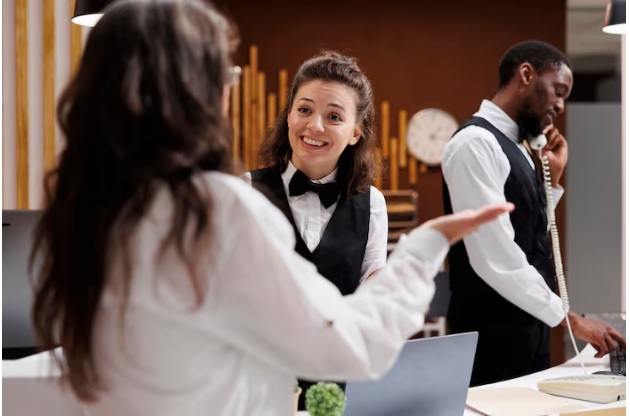
There’s a moment at any well-run event, hotel, or restaurant where everything feels effortless. The service is smooth, the timing is right, staff seem to know where they’re needed before guests even ask. What most guests don’t see is the staffing strategy that makes that possible — and how much of it depends on having the right people in the right roles on very short notice.
In a city like Dallas, where the hospitality industry runs on a dense calendar of corporate events, conventions, sporting seasons, and a booming restaurant scene, workforce flexibility isn’t optional. It’s the baseline requirement.
Why Dallas Hospitality Businesses Face a Unique Staffing Challenge
Dallas is one of the fastest-growing metro areas in the country, and that growth has put significant pressure on every sector of the hospitality industry. Hotels near the convention center deal with dramatic swings in occupancy. Event venues book out months in advance and then need a full crew assembled in days. High-volume restaurants in Uptown and downtown operate near capacity on weekends and need to flex staff up for private events without disrupting regular service.
The traditional model of maintaining a large permanent staff doesn’t work for most of these operations. The labor cost during slow periods is prohibitive, and the administrative overhead of managing a large workforce — scheduling, compliance, payroll, turnover — consumes management time that most operators don’t have.
What Staffing Partnerships Actually Look Like in Practice
The working relationship between a hospitality business and a staffing partner is less transactional than most people assume. It’s not simply a matter of calling for warm bodies when someone calls out sick. Effective staffing solutions involve the agency developing a real understanding of the business — the volume patterns, service standards, specific roles that require particular experience, and lead times needed for different event types.
That operational knowledge allows the agency to maintain a pool of pre-vetted candidates who’ve been assessed not just for basic capability but for fit with the specific environment. A fine dining establishment in Dallas has different standards than a catering company serving outdoor festivals, and staffing to those differences is what separates competent workforce management from a phone-it-in approach.
The Roles That Create the Most Staffing Pressure
Not every position is equally difficult to fill quickly. In the hospitality industry, the highest-pressure roles from a staffing standpoint tend to be:
Event staff and banquet servers — High-volume positions needed in large numbers for specific dates, often with less than a week’s notice. Requires people who can work efficiently in a crowd, follow service sequences, and represent the venue professionally.
Line cooks and prep cooks — Back-of-house positions where gaps create immediate service problems. Experience level matters significantly here, and skill verification during the screening process is important.
Housekeeping staff — Hotels dealing with full occupancy need reliable coverage in housekeeping. High turnover in this category is a persistent industry challenge, making an established staffing relationship more valuable than single-event hiring.
Front desk and guest services — Roles requiring both hospitality disposition and functional familiarity with property management systems. These positions affect guest experience directly.
What Screening Should Actually Cover
Hospitality staffing Dallas TX operations that run well invest in screening that goes beyond work history verification. Direct customer service experience, ability to work in a fast-paced, physically demanding environment, professional appearance standards, and in some cases food handler certification or TABC compliance training are all relevant factors. Background checks are standard for positions that involve access to guest rooms or secured areas.
The American Hotel and Lodging Educational Institute has published research demonstrating that the quality of pre-placement screening is the primary predictor of hospitality staff retention — reinforcing what most experienced operators already know from practice.
Managing Demand Spikes During Peak Dallas Events
Dallas’s event calendar creates predictable demand spikes that well-run staffing relationships can anticipate and plan for. AT&T Stadium events, conferences at the Kay Bailey Hutchison Convention Center, and large private corporate gatherings all generate significant staffing demand with varying lead times. Businesses that communicate their event calendar to their staffing partner in advance — rather than calling two days before — consistently achieve better fill rates and better candidate quality.
Building Toward a Longer-Term Workforce Strategy
The most sophisticated operators in Dallas’s hospitality market don’t think of staffing partnerships as a purely reactive tool. They use them to build a bench — a group of familiar, pre-qualified workers who understand the operation’s standards and can be called on repeatedly. Over time, some of those individuals convert to permanent roles. The staffing relationship becomes part of a broader talent pipeline rather than just a gap-filler.
That approach requires consistent communication and feedback between the business and the agency, but the return on that investment shows up in lower turnover, higher service consistency, and less management time spent on last-minute hiring crises.