Designing a Custom Trucker Hat That Actually Holds Up
Hats get treated differently than almost any other piece of branded apparel. They live in cars, get tossed on porches, ride in gym bags, and generally take more physical abuse than a folded t-shirt ever will, which is exactly why the construction details of a trucker hat matter more than people expect. Before sketching a logo placement or picking colors, it helps to understand what actually makes this style of cap durable, comfortable, and worth wearing past the first week.
The Structure Behind Every Trucker Hat
The trucker hat’s defining feature is its structure, and each piece of that structure serves a purpose:
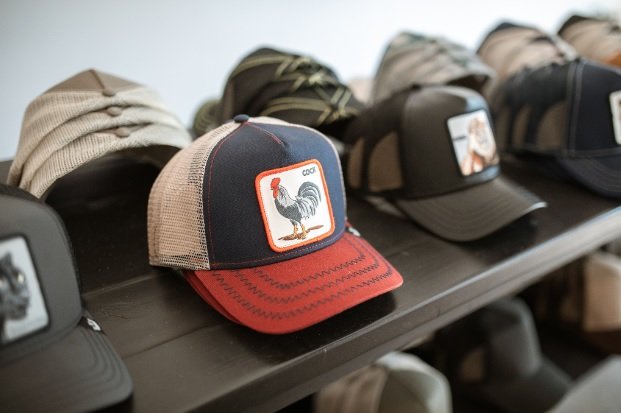
• A foam front panel gives the cap its slightly rounded, structured look and provides a stable, flat-ish surface for a logo or design, which is part of why this style has become a go-to for brand merchandise.
• A mesh back isn’t just aesthetic — it’s functional, allowing airflow that makes the cap noticeably cooler than a solid-back option, which matters if it’s going to be worn outdoors for a full shift, a road trip, or a day at a summer event.
• Snapback closures are standard on this style, and they offer a practical advantage over fitted caps: one size genuinely does work for most adult head sizes, which simplifies ordering for teams or events where you’re not collecting individual measurements.
Panel Count and Profile Height Shape Your Design
Panel count and profile height affect how a design reads once it’s on the cap. Five-panel caps sit lower and closer to the head, giving a flatter, more minimal look, while six-panel versions have a bit more volume up top and a small button at the crown. Neither is objectively better, but the choice does change how much real estate you have for a design and how a logo curves across the front panel. It’s worth deciding on panel count before finalizing artwork rather than after, since a design proportioned for a six-panel cap can look cramped or oddly stretched on a five-panel version.
Choosing a Decoration Method
Decoration method is where trucker hats diverge from t-shirts.
• Embroidery is the standard choice for this style, and for good reason: the foam front panel provides a firm, stable surface that holds stitching cleanly, and thread simply holds up better than most print methods against the friction and folding a hat endures in daily use.
• A well-digitized embroidery file translates a logo into stitch paths that account for small text, fine lines, and color transitions, which is why simplifying a logo slightly for embroidery — dropping a tagline or thinning a gradient — often produces a cleaner result than trying to force every detail from a print file directly onto thread.
• Patches, whether embroidered, woven, or PVC, are another common route, especially for designs with more color complexity than embroidery handles gracefully, and they can be swapped onto blank caps as a design evolves.
Picking Colorways for Your Logo
Custom logo hats are one of the most common reasons people land on this style in the first place, since a foam front panel is essentially built to showcase a brand mark. If you’re putting together a custom trucker hat order for a team, business, or event, it’s worth thinking about how the design will look across different colorways before committing to one. A dark thread on a light front panel reads very differently than the same design in reverse, and testing both against your actual cap color avoids an unpleasant surprise once the order arrives.
Getting Fit and Brim Shape Right
Fit deserves a mention that goes beyond “one size fits most.” Snapback trucker hats typically adjust across a wide range, but the curvature of the brim and depth of the crown can still vary between manufacturers, so if a batch is going out to a group, it’s worth checking a sample before locking in a large order. A cap that sits too high on the head looks unfinished regardless of how good the embroidery is, and a properly fitted crown makes even a simple one-color logo look more intentional. Brim shape adds its own variation too — a flatter, less curved brim reads as a more modern, streetwear-influenced look, while a pre-curved brim leans closer to the classic outdoor and workwear styling most people associate with this cap in the first place.
Material Choices That Affect Longevity
Material choices beyond the mesh and foam matter for longevity too. Cotton twill front panels feel more premium and are common on higher-end trucker styles, while polyester blends resist fading from sun exposure better, which is a real consideration for hats headed to outdoor events, golf courses, or job sites. Comparing panel styles, colorways, and mesh options side by side before finalizing anything makes it far easier to land on a design that photographs well and holds up to daily wear.
Once the structural decisions are made, the rest comes down to keeping the design legible at a small scale, since a trucker hat’s front panel is a fraction of the size of a t-shirt chest print. A logo that works beautifully on a poster or a webpage often needs simplifying before it translates well onto four inches of foam and mesh, and that single adjustment is usually what separates a cap that looks professionally made from one that looks like an afterthought.