Your Backyard Is Too Hot — Here’s How to Actually Fix It
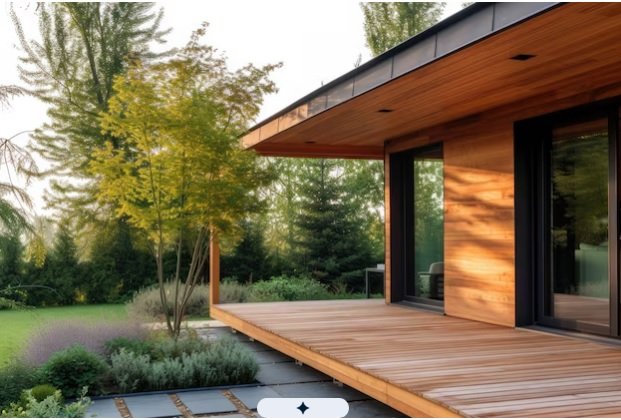
If you’ve ever stepped outside in July only to retreat indoors ten minutes later, you already know the problem. A backyard that bakes in direct sun is uncomfortable at best and genuinely unusable at worst. The good news: this isn’t a problem you have to live with. With the right combination of structures, plants, and technology, you can reduce perceived outdoor temperatures by 10–20°F — enough to make the difference between a space you avoid and one you actually want to be in.
Start With Shade: The Most Impactful First Step
No cooling strategy works as well as blocking the sun’s rays before they hit you, your furniture, or your patio surface. Unshaded concrete and stone surfaces absorb solar radiation and radiate it as heat well into the evening — a phenomenon called the heat island effect. Blocking direct sun is the highest-leverage intervention available.
Shade sails: Triangular or rectangular tensioned fabric canopies that shade large areas without requiring a full structure. They’re effective, relatively inexpensive, and available in UV-blocking fabrics that filter 90–98% of direct radiation.
Pergolas with shade cloth: A timber frame pergola with an attached shade cloth or polycarbonate panel system provides structural permanence while delivering full overhead protection. Unlike shade sails, a pergola-integrated shade system stays in place in all conditions.
Attached patio covers: For maximum shade efficiency attached to your home, a solid-roof patio cover provides complete overhead protection from sun and rain. Insulated panel systems can reduce radiant heat transmitted through the roof significantly compared to uninsulated materials.
How to Cool Down a Backyard With Plants
Strategic planting is one of the most effective and aesthetically appealing cooling strategies available — and the effects compound over time as plants mature.
Deciduous shade trees: Trees planted on the south and west sides of your outdoor living area cast shade during the hottest parts of the day. Deciduous species like oak, maple, and ash lose their leaves in winter, allowing warming sun to reach the space when it’s welcome. A single large shade tree can reduce air temperature in its immediate vicinity by 2–5°F.
Climbing vines on structures: A pergola covered in wisteria, hops, or Virginia creeper is both beautiful and functional. Vine coverage reduces solar gain on the structure itself and creates a microclimate beneath it that stays several degrees cooler than the open yard.
Grass vs. hardscape: Grass stays significantly cooler than concrete or gravel under the same sun exposure. If you’re doing a backyard renovation, consider keeping planted areas near your main seating zone rather than extending hardscape everywhere. Turf and groundcovers also contribute to evapotranspiration — a natural cooling process that reduces ambient temperature.
To truly understand the full range of backyard cooling ideas available, you need to think in layers: overhead shade first, then surface treatment, then active cooling where needed.
Misting Systems: Active Cooling for Hot Climates
In dry climates — desert Southwest, Mediterranean-style regions — misting systems are among the most effective active cooling tools available. A properly designed high-pressure mist system operating at 1,000 PSI or more atomizes water into droplets so fine they evaporate nearly instantly, absorbing heat from the air and dropping ambient temperatures by 15–25°F.
High-pressure systems are far more effective than low-pressure alternatives because the finer atomization produces instant evaporation rather than leaving surfaces wet. Misting systems work best in low-humidity environments — in humid climates, the air is already near saturation and misting adds discomfort more than it removes it. Nozzles should be positioned at least 8 feet above grade for optimal droplet evaporation.
How to Cool a Backyard With Airflow
Even on hot days, a gentle breeze makes outdoor conditions much more tolerable. When natural airflow is insufficient, mechanical options help.
Outdoor ceiling fans: A pergola with a flush-mount ceiling fan can make a shade structure 5–10°F more comfortable on still days. Use fans rated specifically for outdoor/damp or wet locations — standard indoor fans deteriorate quickly in exterior environments.
Strategic fencing and windbreaks: Solid privacy fences can trap hot air. Slatted or lattice fencing allows air to move through while still providing privacy. In areas with prevailing afternoon winds, a well-placed fence gap or low hedge creates a natural draft through your seating area.
Surface and Furniture Choices
Dark-colored hardscape absorbs and radiates far more heat than light-colored surfaces. If you’re installing new patio pavers, choosing light grey, cream, or white stone significantly reduces ground-level radiant heat. Composite decking in lighter tones performs similarly.
Furniture material also matters. Metal furniture in direct sun becomes untouchable. Teak, eucalyptus, and powder-coated aluminum stay significantly cooler and are more comfortable for extended outdoor use.
The most effective backyard cooling strategy combines permanent shade infrastructure with smart planting and — in appropriate climates — active misting or fan systems. Start with overhead shade, then address the ground surface, then add active cooling where needed. Your backyard shouldn’t be a space you retreat from. With the right investments, it becomes the place everyone wants to be, even on the hottest days of the year.