How Wedding Dress Preservation in Florida Prevents Mold, Mildew, and Humidity Damage
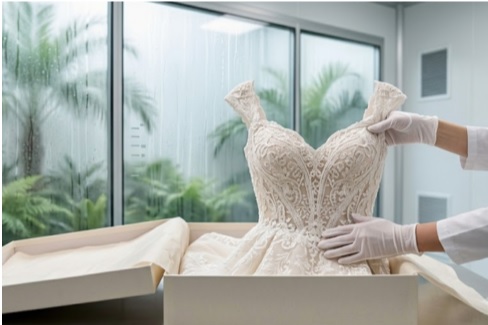
Wedding gowns are highly delicate garments made from fabrics like silk, satin, lace, and tulle that are extremely sensitive to environmental conditions. In a state like Florida, where heat and humidity are constant challenges, proper preservation is not just recommended—it is essential.
Without timely and professional care, wedding dresses can quickly develop mold, mildew, discoloration, and irreversible fabric damage. Understanding how preservation works in this environment helps brides protect their gowns for decades.
Florida’s Humid Climate and Its Effect on Wedding Dresses
Florida has a subtropical to tropical climate characterized by high humidity levels throughout most of the year. Cities like Miami, Orlando, Tampa, and Jacksonville frequently experience moisture-heavy air, especially during summer and hurricane seasons.
This constant humidity creates the perfect environment for mold and mildew growth. Unlike dry climates where fabrics may simply fade or stiffen, Florida’s moisture-rich air allows microscopic spores to settle deep into fabric fibers. Even if a gown looks clean after the wedding, hidden moisture from sweat, spilled drinks, or outdoor exposure can trigger biological growth within days.
Wedding gowns stored in closets, garment bags, or boxes without proper cleaning are especially vulnerable. The trapped humidity slowly breaks down fibers and causes yellowing, musty odors, and visible spotting.
Why Mold and Mildew Are Major Risks for Wedding Gowns
Mold and mildew are fungi that thrive in warm, damp environments. Florida’s weather creates nearly ideal conditions for their development, particularly during the rainy season or after beach weddings.
Mildew usually appears as powdery white or gray patches on fabric surfaces, while mold can appear as green, black, or brown spots that penetrate deeper into fibers. Once mold starts growing on a wedding dress, it is extremely difficult to remove without damaging delicate materials.
Common causes in Florida weddings include:
- Outdoor beach ceremonies with salt air and moisture exposure
- Garden weddings with humidity and pollen exposure
- Sweat absorption during long celebrations
- Improper storage in plastic garment bags
- Delayed cleaning after the wedding
If left untreated, mold spores can spread across the entire gown, weakening fabric structure and permanently altering color and texture.
The Ideal Time to Preserve a Wedding Dress in Florida
In humid regions like Florida, timing is critical. The best practice is to begin preservation within 24 hours to 2 weeks after the wedding. The longer a gown remains uncleaned, the higher the risk of moisture-related damage becoming permanent.
Immediate steps after the wedding should include:
- Airing out the gown in a cool, dry indoor space
- Avoiding sealed plastic covers that trap humidity
- Keeping the dress away from direct sunlight and bathrooms
- Transporting it quickly to a professional cleaner
Because Florida’s air retains moisture even indoors, waiting too long allows invisible stains—such as sweat, champagne, or makeup—to oxidize and attract mold growth.
How Professional Preservation Prevents Humidity Damage
Wedding dress preservation in Florida is a specialized process designed to protect fragile fabrics from environmental threats like humidity, mold, and oxidation.
In Florida, professional preservation typically includes:
1. Detailed Fabric Inspection
Experts examine the gown for hidden stains caused by sweat, food, or outdoor exposure. In humid climates, invisible stains are especially dangerous because they act as food sources for mold.
2. Specialized Cleaning Techniques
Professional cleaners use fabric-safe solutions tailored for silk, lace, and satin. These treatments remove organic residue that could otherwise attract fungal growth.
3. Humidity-Controlled Drying
Unlike air-drying at home, professional systems remove moisture in controlled environments, preventing mold spores from forming during the drying process.
4. Acid-Free Preservation Storage
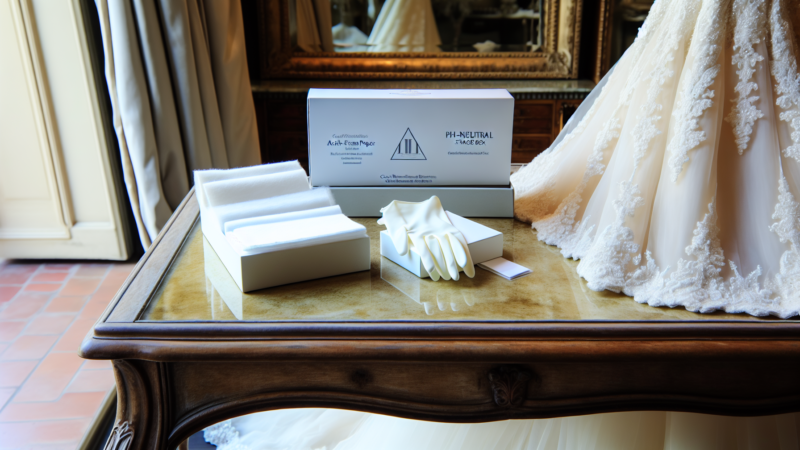
The gown is placed in museum-quality, acid-free boxes that prevent moisture retention. These materials help regulate airflow while protecting against external humidity fluctuations common in Florida.
5. Anti-Oxidation Sealing
Once cleaned, the dress is sealed to prevent exposure to oxygen, moisture, and light—all of which contribute to fabric breakdown over time.
Why Florida Brides Are at Higher Risk
Compared to drier states, brides in Florida face significantly higher preservation risks due to environmental conditions.
Key challenges include:
- Year-round humidity levels often exceeding 70–90%
- Frequent rain and hurricane-related moisture exposure
- Coastal salt air in cities like Miami and Fort Lauderdale
- Air conditioning cycles that create condensation indoors
Even short exposure to these conditions can introduce moisture into fabric layers. Once inside, this moisture becomes trapped, creating an ideal breeding ground for mildew.
Storage Mistakes That Increase Mold Risk in Florida
Even after cleaning, improper storage can undo preservation efforts. Common mistakes include:
- Using plastic dry-cleaning covers that trap humidity
- Storing gowns in attics, garages, or basements
- Keeping dresses in tightly sealed non-breathable boxes
- Placing gowns near windows or air vents with condensation
- Ignoring seasonal humidity changes
In Florida, even indoor storage spaces can experience moisture fluctuations, especially during summer storms. Proper breathable, acid-free packaging is essential to long-term protection.
How Proper Preservation Extends the Life of Your Wedding Gown
When correctly preserved, a wedding dress can last for decades without significant damage. Professional preservation protects against:
- Mold and mildew growth caused by humidity
- Fabric weakening from trapped moisture
- Yellowing due to oxidation
- Staining from invisible organic residues
- Structural breakdown of delicate lace and embroidery
For Florida brides, this means their gowns can remain heirloom-quality even in a challenging climate.
Conclusion
In a high-humidity environment like Florida, wedding dress preservation is not optional—it is essential for long-term protection. The combination of heat, moisture, and coastal air creates the perfect conditions for mold and mildew to develop quickly on untreated fabrics.
By acting quickly after the wedding and choosing professional preservation methods, brides can prevent irreversible damage and ensure their gowns remain beautiful for generations. Proper cleaning, humidity-controlled storage, and acid-free preservation techniques work together to protect one of the most meaningful garments a bride will ever own.