Features and Benefits of a Waterproof Awning
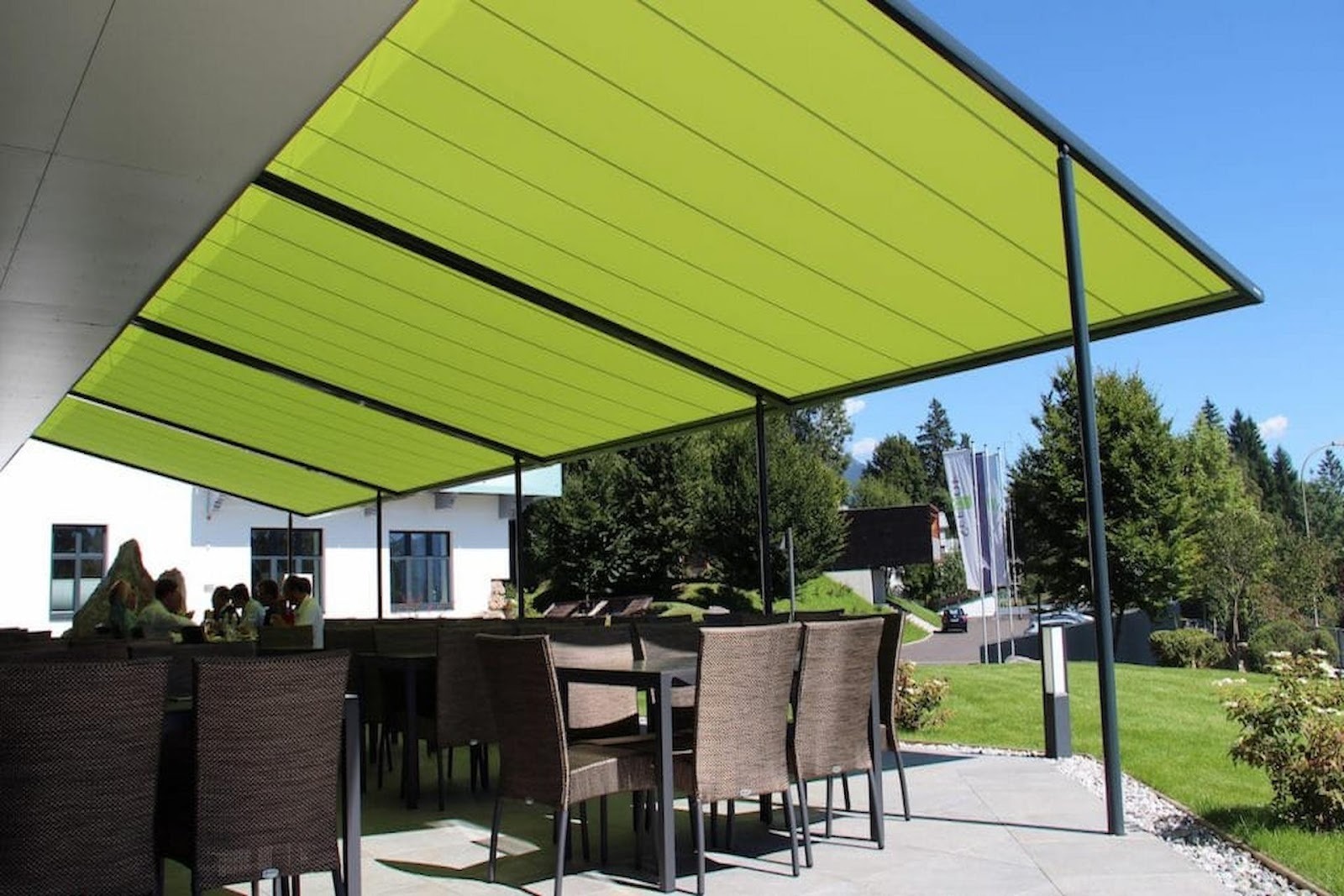
A waterproof awning extends outdoor comfort while protecting spaces from rain, glare, and changing weather. Designed for modern homes and commercial settings, it blends practical shelter with visual appeal. This overview reviews the functional strengths and everyday benefits that make waterproof awnings a dependable choice over time.
Shelter That Works in All Weather
Outdoor areas are often underused due to changing weather conditions. Sudden rainfall and inconsistent light can limit how frequently patios, terraces, and seating spaces are enjoyed. A waterproof awning addresses this challenge by providing dependable cover throughout the year, allowing outdoor areas to remain functional even during unexpected showers.
Many homeowners choose Bespoke Awnings to ensure the structure aligns precisely with the available space. A tailored fit reduces gaps, manages water run-off more effectively, and supports consistent performance. When designed to suit the building, the awning becomes a permanent, practical extension rather than a temporary weather solution.
Fabric Technology Built for Rain Protection
Modern waterproof awnings rely on advanced fabric construction. These materials are engineered to repel water while remaining flexible and durable. Rain beads on the surface and runs off cleanly instead of soaking through.
Key fabric characteristics include:
- Tightly woven fibres that block moisture
- Protective coatings that prevent absorption
- Resistance to fading from sunlight exposure
Selecting a made-to-measure option ensures the fabric is tensioned correctly. Proper tension is essential for directing rain away from seating areas and preventing pooling, which can strain the structure over time.
Structural Design That Adds Strength
A waterproof awning is only as strong as its frame. Quality systems use robust aluminium or steel components designed to support the fabric during wet and windy conditions. These frames are treated to resist corrosion, which is especially important in the UK’s damp climate.
Well-designed arms and brackets distribute weight evenly. This reduces stress points and helps the awning maintain its shape. Over time, a strong structure ensures smooth operation and consistent coverage without sagging.
Light Control Without Blocking Daylight
While rain protection is essential, light management is another major benefit. Waterproof awnings reduce glare without darkening indoor rooms. By filtering harsh sunlight, they help maintain comfortable brightness levels both outside and inside the property.
This balance improves daily usability. Outdoor seating stays pleasant, and indoor spaces benefit from reduced heat build-up. The result is a calmer, more controlled environment that adapts easily to seasonal changes.
A Practical Way to Protect Outdoor Furniture
Rain can damage cushions, tables, and flooring if left exposed. A waterproof awning acts as a first line of defence, shielding these items from repeated moisture exposure. Over time, this protection helps preserve materials and reduces replacement costs.
Instead of constantly moving furniture indoors, users gain confidence that their outdoor setup can remain in place. This convenience makes covered areas more inviting and easier to maintain throughout the year.
Smooth Operation for Everyday Use
Ease of use is a defining feature of modern awnings. Many systems are designed for smooth extension and retraction, allowing users to adjust coverage quickly as conditions change. This flexibility ensures the awning is always used at the right moment, rather than being left open or closed unnecessarily.
Whether manually operated or motor-assisted, consistent movement reduces wear. Reliable operation also protects the fabric by preventing uneven folding or strain during use.
Visual Consistency With Property Design
A waterproof awning should complement the building it is attached to. Colour choices, finishes, and profiles are designed to blend with different architectural styles. This visual harmony adds value by enhancing curb appeal without overpowering the façade.
Custom sizing plays a role here as well. Bespoke Awnings align neatly with windows, doors, and walls, creating a balanced appearance. When integrated properly, the awning feels like a natural part of the structure rather than an add-on.
Energy Efficiency Through Shade and Shelter
Although often overlooked, awnings can support energy efficiency. By shading windows and doors, they limit direct sunlight entering indoor spaces. This reduces heat build-up during warmer months and helps maintain stable indoor temperatures.
At the same time, rain protection allows doors and windows to remain open during light showers. Improved airflow supports natural ventilation without compromising comfort.
Long-Term Value With Minimal Maintenance
Durability is central to the appeal of waterproof awnings. High-quality materials are designed to withstand repeated exposure to rain, wind, and sunlight. Routine care is simple and usually involves occasional cleaning to remove surface debris.
Because the fabric resists moisture absorption, mould and mildew are less likely to develop. This keeps the awning looking fresh while extending its usable lifespan, making it a cost-effective solution over time.
Flexible Coverage for Different Spaces
Waterproof awnings are suitable for a wide range of applications. From compact balconies to large garden areas, they adapt easily to different layouts. Adjustable projection allows users to control how much space is covered at any time.
This flexibility supports varied daily use. Dining, relaxation, and social gatherings can all take place under reliable shelter, regardless of sudden weather changes.
FAQs
How does a waterproof awning prevent rain from dripping underneath?
A waterproof awning is designed with tensioned fabric and a calculated slope that directs rainwater away from the covered area. The fabric repels moisture rather than absorbing it, while the structure guides water toward the edge, preventing drips, pooling, or seepage during rainfall.
What separates a waterproof awning from a standard fabric canopy?
Unlike basic canopies, waterproof awnings use treated fabrics and reinforced stitching that block moisture entirely. Standard fabrics may resist light showers, but waterproof systems are engineered to handle sustained rainfall without sagging, leaking, or losing shape over time.
Is a waterproof awning strong enough for year-round outdoor use?
Yes. High-quality waterproof awnings are built with weather-resistant frames and durable fabrics designed for frequent exposure to rain and sunlight. When installed correctly, they maintain structural stability and fabric tension across seasons, supporting consistent, long-term outdoor use.
Does water resistance affect airflow or light levels?
No. Waterproof awnings are designed to manage rain without trapping heat or blocking natural light. They reduce glare and direct sunlight while allowing airflow, helping outdoor areas remain comfortable rather than enclosed or oppressive.
Why does precise sizing matter for waterproof performance?
Accurate sizing ensures proper fabric tension and water flow. Poorly fitted awnings can develop weak points where water collects or escapes. A tailored design improves rain control, protects the structure, and ensures the awning performs as a reliable, permanent outdoor covering.
Concluding Insights
A waterproof awning is a practical addition that improves how outdoor spaces are used throughout the year. By offering reliable rain protection, controlled light, and structural durability, it supports comfort without compromising appearance. When correctly designed and fitted, it protects furniture, improves usability, and integrates naturally with the building. Choosing bespoke awnings ensures accurate coverage, effective water management, and long-term performance. Rather than acting as a short-term fix, a well-made waterproof awning becomes a permanent feature that adds everyday value, flexibility, and protection to outdoor living areas.