When Should You See a Neurologist for Cats?
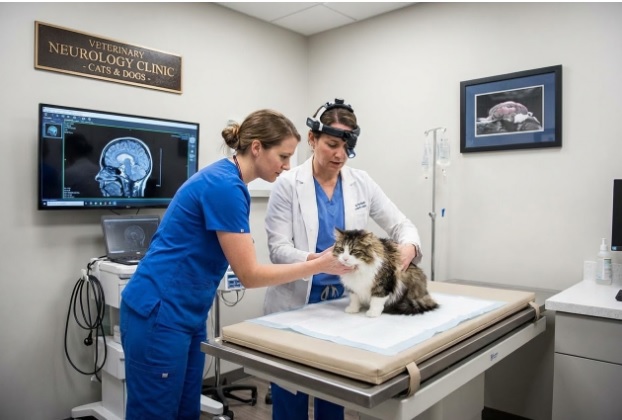
Cats are masters at hiding illness, which can make neurological problems in cats difficult to recognize in the early stages. When wobbly walking, seizures, or sudden behavior changes appear, consulting a neurologist for cats can be crucial for accurate diagnosis and timely treatment. Feline neurological disease often requires specialized testing and interpretation that go beyond routine veterinary care.
What Does a Feline Neurologist Do?
A neurologist for cats is a veterinarian with advanced training in disorders of the brain, spinal cord, nerves, and muscles. These specialists focus on:
- Performing detailed neurological examinations tailored to feline patients.
- Localizing lesions within the nervous system.
- Selecting appropriate imaging and laboratory tests.
- Designing individualized treatment plans for complex neurological disease.
Because cats can be more challenging to handle and evaluate than some other species, experience and gentle handling techniques are especially important.
Signs of Neurological Problems in Cats
Neurological problems in cats can look different from one animal to another. Common signs that warrant attention include:
- Seizures or episodes of collapse with paddling or drooling.
- Sudden loss of balance, falling, or difficulty jumping.
- Ataxia (unsteady, wobbly gait) or circling to one side.
- Head tilt, abnormal eye movements, or unequal pupils.
- Marked behavior changes, confusion, or disorientation.
- Weakness in one or more limbs, sometimes progressing over time.
While some signs may be subtle, any persistent or worsening neurological change should prompt consultation with your primary veterinarian, who may then recommend referral to a neurologist for cats.
How Neurologists Diagnose Feline Neurological Disease
Diagnosis begins with a thorough history and physical exam, followed by a structured neurological examination. The specialist assesses:
- Mental status and responsiveness.
- Cranial nerve function, including vision, facial symmetry, and swallowing.
- Posture, gait, and limb strength.
- Reflexes and pain perception.
Based on these findings, the neurologist localizes the suspected lesion—for example, forebrain, cerebellum, vestibular system, or spinal cord. This neuro-localization guides the choice of advanced diagnostics.
Diagnostic Tests Commonly Used in Cats
To investigate neurological disease, a neurologist for cats may recommend:
- MRI or CT imaging to visualize the brain and spinal cord.
- Cerebrospinal fluid (CSF) analysis to detect inflammation, infection, or cancerous cells.
- Blood tests and infectious disease panels relevant to feline patients.
- Electrodiagnostic studies in selected neuromuscular cases.
These tools help distinguish between structural problems such as tumors or disc disease and inflammatory, infectious, or metabolic causes of neurological dysfunction.
Treatment Options and Prognosis
Treatment for neurological problems in cats depends heavily on the underlying cause. Options may include:
- Anti-seizure medications for epilepsy or seizure disorders.
- Steroids or other immunosuppressive drugs for inflammatory brain disease.
- Antibiotics or antivirals for infectious conditions.
- Surgery for certain tumors or spinal cord compressions.
- Supportive care, pain management, and rehabilitation for chronic or degenerative conditions.
The neurologist discusses prognosis based on diagnosis, severity, and the cat’s overall health, helping families set realistic expectations and make informed decisions.
Supporting a Cat with Neurological Disease at Home
Caring for a cat with neurological disease often involves environmental adjustments and close monitoring. Owners may need to:
- Provide secure, padded resting areas to prevent injury from falls or seizures.
- Use ramps or steps to reduce jumping.
- Keep litter boxes, food, and water easily accessible.
- Administer medications on a consistent schedule and track changes in behavior.
Regular follow-up with the neurologist for cats ensures that treatment remains effective and that any new signs are addressed promptly.
Conclusion: Specialized Care for Subtle Signs
Neurological problems in cats can be complex and easy to overlook, but early recognition and specialist evaluation can significantly influence outcomes. By working with a neurologist for cats when signs of neurological disease arise, owners gain access to advanced diagnostics and tailored treatment strategies. This collaborative, specialist-driven approach offers the best chance for maintaining comfort, function, and quality of life in feline patients with neurological challenges.