Dog Back Leg Paralysis Treatment: What to Do When Your Dog Loses Hind Limb Function
Few things are more alarming for a pet owner than watching a dog suddenly struggle to walk or collapse with completely non-functional hind limbs. Dog back leg paralysis — whether it appears gradually or without warning — is a serious neurological emergency that requires prompt veterinary evaluation and, in many cases, urgent specialist intervention. Understanding the common causes, how diagnosis works, and what treatment options are available can help you act quickly and give your dog the best chance of recovery.
Common Causes of Dog Back Leg Paralysis
Hind limb paralysis in dogs most commonly results from spinal cord dysfunction, which can stem from several underlying conditions. Intervertebral disc disease (IVDD) is the most prevalent cause, particularly in chondrodystrophic breeds such as Dachshunds, Beagles, Corgis, and French Bulldogs. A herniated disc can compress the spinal cord suddenly and severely, causing rapid loss of function. Degenerative myelopathy — a progressive, painless condition most common in German Shepherds and Boxers — causes gradually worsening weakness that eventually progresses to paralysis over months to years.
Other causes include spinal tumors, fibrocartilagenous embolism (FCE, a spinal stroke in dogs), discospondylitis (disc infection), and traumatic spinal injury from accidents or falls. The underlying cause determines the urgency, prognosis, and appropriate treatment pathway.
Diagnosing the Cause of Sudden Paralysis
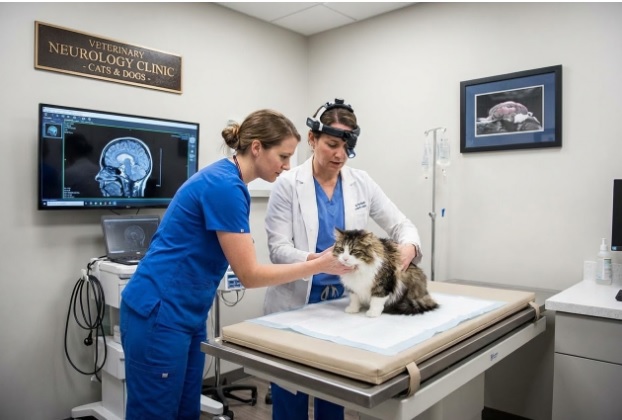
When a dog presents with hind limb weakness or paralysis, a veterinary neurologist will first perform a neurological examination to grade the severity of the deficit and localize the spinal cord lesion. The grading scale runs from mild ataxia (grade 1) to complete paralysis without deep pain sensation (grade 5). This clinical grading has significant prognostic value — dogs that retain deep pain perception have a substantially better chance of recovery, even with complete motor paralysis.
Advanced imaging — typically MRI — is essential to confirm the diagnosis and identify the precise location and nature of the spinal cord compression or injury. This information is required for surgical planning if surgery is indicated.
Dog Back Leg Paralysis Treatment Options
Treatment depends on the underlying diagnosis and the clinical grade of the deficit. For IVDD, surgical decompression (hemilaminectomy or ventral slot, depending on the location) is typically recommended for moderate to severe cases to remove disc material pressing on the spinal cord. Studies consistently show that dogs treated surgically within 12 to 24 hours of becoming paralyzed have significantly better outcomes than those treated after longer delays.
Medical management is considered for mild to moderate cases, including strict crate rest for four to six weeks, anti-inflammatory medications, and physical rehabilitation. However, medical management carries a higher risk of recurrence and slower recovery compared to surgical intervention in severe cases. For <hyperlink>dog back leg paralysis treatment, early specialist evaluation is critical to determining which approach is most appropriate for your dog’s specific situation.
Rehabilitation After Paralysis
Whether treated surgically or medically, physical rehabilitation plays a vital role in recovery. Underwater treadmill therapy, passive range of motion exercises, muscle stimulation, and acupuncture are used to rebuild neuromuscular pathways and prevent muscle atrophy during the recovery period. Dogs that regain some movement in the first two to four weeks have an excellent long-term prognosis with dedicated rehabilitation support.
What to Do if Your Dog Suddenly Loses Hind Limb Function
If your dog suddenly becomes weak or paralyzed in the back legs, keep movement to a minimum and seek veterinary care immediately. Do not allow your dog to walk, jump, climb stairs, or move around unnecessarily, as additional movement could worsen certain spinal injuries. If the dog must be transported, support the entire body and keep the spine as straight and stable as reasonably possible.
Do not give human pain medications unless specifically instructed by a veterinarian, as several commonly used human medications can be dangerous for dogs. If your dog is in severe pain, unable to urinate, or has completely lost the ability to use the hind limbs, treat the situation as an emergency and contact an emergency veterinary hospital or veterinary neurologist without delay.
Factors That Affect Recovery From Paralysis
Recovery from hind limb paralysis depends on several factors, including the underlying cause, severity and location of the spinal cord injury, duration of neurological dysfunction, and whether deep pain perception remains. Dogs with different causes of paralysis can have very different outcomes, so prognosis cannot be determined from the appearance of the paralysis alone.
The response to treatment and rehabilitation also varies between individual dogs. Some may begin showing neurological improvement within days, while others require weeks or months of supportive care and rehabilitation. Your veterinary neurologist can provide a more meaningful prognosis after completing the neurological examination and, when indicated, advanced imaging and other diagnostic tests.
Conclusion
Dog back leg paralysis is a medical emergency that demands fast action and specialist expertise. If your dog develops sudden hind limb weakness or complete loss of function, contact a veterinary neurologist as quickly as possible. With prompt diagnosis, appropriate treatment — surgical or medical — and committed rehabilitation, many dogs make remarkable recoveries and return to a full, active life.