Best Leanpath Alternatives for Food Waste Management in 2026
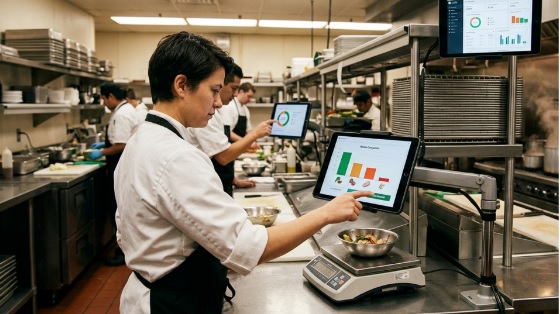
Food waste remains one of the biggest operational challenges for restaurants, hotels, cafeterias, and catering businesses. Yet many kitchens still rely on spreadsheets, paper logs, or disconnected systems that provide very little visibility.
As food costs rise and labor becomes harder to manage, operators are looking for smarter ways to control waste without slowing down service. That is why many businesses are now comparing Leanpath alternatives that offer automation, real-time reporting, predictive analytics, and stronger kitchen visibility.
The challenge is not just tracking waste anymore. Kitchens also want systems that help reduce purchasing mistakes, improve prep planning, and support daily decision-making.
The right platform can help teams track discarded ingredients, monitor production mistakes, and improve ordering decisions. However, not every solution works the same way. Some focus heavily on reporting, while others combine AI, predictive analytics, and operational recommendations in one place.
So, what should commercial kitchens actually look for in 2026? More importantly, which features make the biggest difference in day-to-day kitchen management?
What to Look for in the Best Leanpath Alternatives
Modern kitchens are moving away from slow reporting systems and manual tracking methods. Operators now want faster insights, easier workflows, and systems that help reduce waste before it becomes expensive.
Why Traditional Tracking Falls Short
Many kitchens still depend on:
- Paper logs
- Spreadsheets
- Delayed reporting
- Manual inventory checks
The problem is simple — these methods take time and rarely provide useful insights quickly enough.
Today’s systems are expected to support daily kitchen operations, reduce manual work, and provide quick insights that managers can actually use.
A strong food waste management software platform should simplify daily tasks instead of creating extra work for staff.
Features That Actually Make a Difference
Instead of basic tracking alone, the best platforms now support complete kitchen operations.
Top features often include:
- Real-time waste monitoring
- Automated food categorization
- Inventory and purchasing insights
- AI-driven forecasting
- Staff accountability reports
- Multi-location performance tracking
- Visual dashboards for kitchen managers
These features help operators make faster decisions while also improving consistency across locations.
AI Is Helping Kitchens Catch Problems Faster
AI is changing how commercial kitchens manage food waste. Instead of reviewing reports weeks later, operators can now identify issues while service is still active.
Why This Matters
Small operational mistakes repeated daily can create major losses over time. AI tools help teams spot those patterns early and respond faster.
Kitchens are no longer waiting until the end of the month to discover where losses are happening. AI-powered tools now help teams identify issues while service is still running.
What AI Can Help Kitchens Improve
An AI food waste tracking software system can help kitchens:
- Identify recurring waste patterns
- Compare performance between shifts
- Reduce overproduction
- Improve purchasing accuracy
- Detect storage or spoilage issues early
For example, if a restaurant consistently throws away prepared items after lunch service, the system may recommend reducing batch sizes during slower hours.
Similarly, if spoilage increases after large deliveries, the platform may highlight inventory storage issues or purchasing problems.
This level of insight helps kitchens become proactive instead of reactive while lowering food costs over time.
The Best Platforms Do More Than Waste Tracking
Tracking waste alone is no longer enough for growing food businesses. Kitchens now want connected systems that improve visibility across operations.
Modern Kitchens Need More Than Reports
Today’s operators want platforms that connect:
- Waste tracking
- Labor performance
- Inventory management
- Purchasing trends
- Sales insights
This bigger picture helps managers make faster and more accurate operational decisions.
A modern kitchen intelligence platform should connect waste data with broader operational performance.
The best systems in 2026 are designed to support daily kitchen workflows instead of interrupting them. Staff members should be able to log waste quickly, access reports easily, and receive useful alerts without technical complications.
What Stronger Platforms Usually Offer
The strongest platforms usually provide:
- Cloud-based access across locations
- Mobile-friendly dashboards
- Integration with inventory systems
- Predictive purchasing recommendations
- Custom reporting for management teams
These tools are especially valuable for restaurants managing multiple kitchens or high-volume food production environments.
How to Compare Food Waste Platforms Before Switching
Switching to a new system is not just about replacing software. It is about improving operational efficiency and creating long-term savings. Before choosing among different Leanpath alternatives, businesses should evaluate how each platform fits their kitchen structure and team workflow.
Before investing in a new platform, kitchen operators should look beyond pricing and focus on usability.
Questions Worth Asking Before You Commit
Key questions include:
- Does the system require extensive staff training?
- Can reports be customized for different departments?
- How quickly can managers access performance insights?
- Does the platform support multiple kitchen locations?
- Can the system reduce labor time spent on manual tracking?
Answering these questions early can prevent implementation problems later.
Why Data-Driven Kitchens Perform Better
Kitchens generate large amounts of operational data every single day. However, without proper analysis, most of that information never turns into useful action.
Data Helps Kitchens Reduce Guesswork
Instead of relying on assumptions, operators can use data to improve:
- Purchasing decisions
- Prep timing
- Inventory control
- Labor efficiency
- Menu planning
Commercial kitchen analytics tools help operators turn kitchen data into actions that improve profitability and efficiency.
Areas Where Analytics Create Immediate Impact
Here is what analytics can improve:
- Portion control
- Inventory planning
- Prep timing
- Staffing efficiency
- Menu performance
- Waste reduction goals
For example, analytics may show that one location wastes more protein during weekend service than others. Managers can then review portion sizes, prep timing, or staffing patterns causing the issue.
That kind of visibility helps kitchens solve problems earlier instead of reacting after losses increase.
Instead of relying on assumptions, kitchen teams can make operational changes backed by measurable data.
Which Type of Platform Fits Your Kitchen Best in 2026
Food waste management is no longer limited to sustainability reporting. In 2026, kitchens are investing in technology that supports cost control, operational efficiency, and smarter decision-making.
What Modern Platforms Are Helping Kitchens Achieve
An advanced AI kitchen management platform can help businesses:
- Reduce food waste faster
- Improve purchasing accuracy
- Increase kitchen visibility
- Support sustainability goals
- Improve operational consistency
The most effective systems are simple to use, scalable across locations, and capable of delivering real-time recommendations.
As kitchens continue facing higher operating costs, smarter technology will play an even bigger role in improving efficiency.
Conclusion
The best Leanpath alternatives in 2026 are not simply replacing waste logs. They are helping kitchens make smarter operational decisions using automation, analytics, and AI-driven insights.
Choosing the right platform ultimately depends on kitchen size, operational goals, and reporting needs. Some businesses prioritize sustainability metrics, while others focus on labor savings and inventory accuracy.
Whether managing a single restaurant or multiple facilities, investing in better waste visibility can create long-term financial benefits over time. Businesses that adopt intelligent waste tracking tools now will be better prepared to reduce waste, control costs, and build stronger kitchen operations in the years ahead.