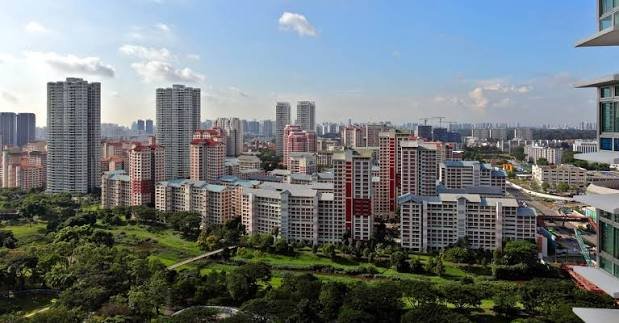
Singapore’s residential property landscape continues to evolve as new developments, infrastructure improvements, and changing lifestyle preferences influence where people choose to live. For prospective homeowners and property investors, understanding these changes can provide valuable insights when evaluating residential opportunities.
From established neighbourhoods with mature amenities to developing residential districts with new lifestyle facilities, Singapore offers a variety of housing choices. However, selecting the right property requires a careful assessment of location, connectivity, affordability, and long-term suitability.
Urban Development Is Shaping Singapore’s Property Market
Singapore’s approach to urban planning focuses on creating well-connected and sustainable residential communities. New housing developments are increasingly considered alongside transportation networks, commercial facilities, recreational spaces, and essential community services.
This integrated approach helps make neighbourhoods more convenient for residents while supporting the country’s long-term housing requirements.
For homebuyers, these improvements can influence residential preferences. Locations with convenient access to public transportation, employment centres, and daily necessities often attract attention from people looking for practical living arrangements.
However, buyers should distinguish between existing neighbourhood advantages and proposed infrastructure improvements when evaluating a property’s potential.
Why Location Matters When Choosing a Residential Property
Location is one of the most important factors influencing a property’s residential appeal.
A convenient neighbourhood can simplify everyday activities, reduce commuting difficulties, and provide access to essential services. Buyers should consider how easily they can reach their workplaces, schools, shopping destinations, healthcare facilities, and recreational areas.
Established residential areas may offer the advantage of mature infrastructure, while developing neighbourhoods can provide different lifestyle opportunities as new facilities become available.
When researching potential homes, buyers can include Bedok Rise Residences in their development comparisons. Evaluating the surrounding neighbourhood, accessibility, residential features, and available amenities can help determine whether a property meets individual requirements.
The Growing Importance of Lifestyle-Oriented Developments
Modern homebuyers increasingly look for residential environments that support more than basic housing needs.
Condominium facilities, communal spaces, landscaped surroundings, fitness areas, and recreational amenities can contribute to a more comfortable living experience.
Different households also have different priorities.
Families may value child-friendly facilities, nearby schools, and outdoor spaces.
Young professionals may prioritise transport connectivity and convenient access to commercial centres.
Older homeowners may prefer accessible facilities, healthcare services, and quieter surroundings.
Property investors may focus on features that appeal to their intended tenant market.
Understanding these preferences can help buyers identify developments that offer practical benefits rather than simply attractive marketing features.
Comparing Different Residential Opportunities in Singapore
Singapore’s property market includes developments with different locations, layouts, facilities, and pricing structures.
Comparing multiple options is important because properties within the same general market may offer very different ownership experiences.
For instance, buyers can research North Park Central as part of a broader assessment of Singapore’s residential development landscape.
Before making a decision, prospective buyers should compare:
Property location and surrounding neighbourhood characteristics.
Access to MRT stations and major transportation routes.
Nearby schools, shopping centres, and healthcare facilities.
Available unit types and practical floor plans.
Development specifications and residential amenities.
Purchase costs and ongoing maintenance expenses.
Recent comparable property transactions.
This approach allows buyers to make decisions based on relevant property characteristics rather than relying on promotional claims.
Understanding Affordability in Singapore’s Property Market
Affordability continues to play an important role in residential purchasing decisions.
Although a property may appear suitable based on its advertised price, buyers should consider the complete financial commitment involved in ownership.
Initial expenses may include the down payment, Buyer’s Stamp Duty, applicable Additional Buyer’s Stamp Duty, and legal fees.
Ongoing expenses may include mortgage repayments, property taxes, maintenance contributions, insurance, and household expenses.
Buyers should also understand the applicable Loan-to-Value limits and Total Debt Servicing Ratio requirements before committing to a purchase.
A realistic budget should account for unexpected financial changes and leave sufficient savings for emergencies.
How Future Housing Supply May Influence Buyer Decisions
The availability of residential properties is another important factor shaping Singapore’s housing market.
New residential developments provide additional options for buyers and may influence competition between properties in different locations.
However, the effect of new supply is not necessarily uniform across the market. Individual developments may perform differently depending on their location, surrounding amenities, unit configurations, and buyer demand.
Prospective homeowners should therefore research both current residential options and upcoming developments in their preferred neighbourhoods.
Official planning information and property transaction records can provide useful insights when assessing an area’s changing residential landscape.
Sustainability and Convenience in Modern Residential Living
Sustainability is becoming an increasingly important consideration in residential development.
Energy-efficient building systems, water-saving features, landscaping, natural lighting, and environmentally conscious design can contribute to more sustainable living environments.
These features may also influence household operating costs and overall residential comfort.
Convenience remains equally important. Developments that provide practical access to everyday facilities can help residents manage their routines more efficiently.
When viewing a property, buyers should examine the actual specifications and facilities rather than assuming that every development offers the same environmental or lifestyle advantages.
Making an Informed Property Decision in 2026
Purchasing a residential property is a significant financial commitment, and buyers should approach the process with a clear understanding of their priorities.
Before making an offer, it is advisable to review the property’s legal documentation, tenure, transaction history, development specifications, and surrounding infrastructure.
Investors should additionally consider rental demand, competing housing supply, ownership expenses, and their intended holding period.
Professional advice from qualified property, legal, and financial specialists can also help buyers navigate regulatory requirements and evaluate potential risks.
Conclusion
Singapore’s residential property landscape continues to develop as urban planning, infrastructure improvements, and changing household preferences influence housing decisions.
For homebuyers and investors, choosing the right property involves balancing location, lifestyle convenience, financial affordability, and long-term suitability.
By comparing developments, researching neighbourhood characteristics, and understanding the broader market environment, buyers can make more confident decisions.
Ultimately, a well-informed property purchase should provide more than an attractive address. It should offer a practical living environment and align with the buyer’s financial circumstances and long-term objectives.