Listen, Look, and Check: A Symptom-Based Guide to Pool Equipment Problems
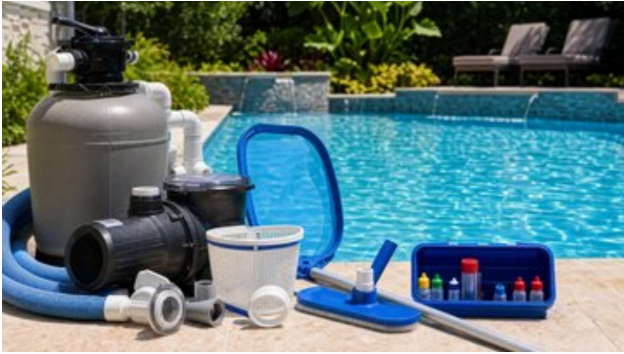
Most pool owners only think about the equipment pad when something stops working. Yet the pump, filter, heater, and sanitizer system quietly do the hard work every day, keeping water clean, clear, and comfortable.
The good news is that equipment usually gives warning signs before it fails. Strange noises, pressure changes, leaks, and error codes are all clues. This guide organizes common symptoms by component so you can recognize problems early and decide what you can handle yourself.
Why Early Detection Pays Off
In Georgia, pools often run for many months of the year, so equipment works hard and wears out. Catching a small problem early, such as a worn seal or clogged basket, is usually cheaper and faster to fix than a burned-out motor or cracked filter tank. Timely Pool Equipment Repair in Georgia also prevents water quality problems that can take days to correct.
The Pump: The Heart of Your System
| Symptom | Likely Cause | First Step |
|---|---|---|
| Loud grinding or screeching | Worn motor bearings | Call a technician |
| Humming but not starting | Capacitor or motor issue | Turn off power; call a pro |
| Air bubbles in pump basket | Suction-side air leak | Check lid O-ring and water level |
| Water leaking near motor | Failed shaft seal | Schedule repair promptly |
| Low flow at returns | Clogged baskets or impeller | Clean skimmer and pump baskets |
A leaking shaft seal can allow water to reach the motor, so it’s worth addressing quickly. Bearing and seal issues are among the most frequent reasons homeowners schedule Pool Equipment Repair in Georgia.
The Filter: Keeping Water Clear
| Symptom | Likely Cause | First Step |
|---|---|---|
| Pressure gauge much higher than normal | Dirty filter media | Backwash or clean cartridges |
| Pressure lower than normal | Blockage before the filter or pump issue | Check baskets and valves |
| Sand or debris returning to pool | Damaged laterals or grids | Call for inspection |
| Cloudy water despite running | Worn media or poor circulation | Test water; inspect filter |
| Leaks around tank or valve | Worn O-rings or cracked parts | Schedule repair |
Knowing your filter’s normal “clean” pressure reading makes problems much easier to spot. If cleaning doesn’t bring pressure back to normal, the filter may need Pool Equipment Repair in Georgia technicians can provide.
The Heater: Extending Your Swim Season
Gas heaters and heat pumps let Georgia pool owners swim earlier in spring and later in fall.
Common symptoms:
- Heater won’t ignite or shuts off quickly
- Error codes on the display
- Water not reaching set temperature
- Unusual smells or sooty residue
Heater problems can involve gas, electricity, and water flow, so professional pool equipment repair in Georgia is the safe choice for anything beyond checking settings and flow.
Salt Systems and Chlorinators
Common symptoms:
- Low chlorine readings despite the system running
- “Check cell” or “low salt” alerts
- Scale buildup on the salt cell
Cleaning the cell as directed and testing salt levels can solve some issues, but persistent alerts may point to a failing cell or control board.
Automation and Timers
Smart controls are convenient, but they can fail after storms or power surges. Watch for equipment not running on schedule, unresponsive apps, or blank control panels. Surge protection helps safeguard electronics in thunderstorm-prone areas. If controls stay unresponsive after a storm, a technician offering pool equipment repair in Georgia can check boards and wiring safely.
When symptoms point to a deeper problem, it’s best to bring in experienced technicians. You can learn how a local team handles pool equipment repair in Georgia, from pumps and filters to heaters and full system diagnostics.
Simple Maintenance That Prevents Breakdowns
- Empty skimmer and pump baskets regularly
- Record your filter’s clean pressure and check it weekly
- Keep water chemistry balanced to protect metal parts and seals
- Keep the equipment area clear of leaves, mulch, and pests
- Inspect for drips and wet spots around fittings
The Pool & Hot Tub Alliance offers educational resources on pool care and industry standards that can help owners understand proper maintenance.
DIY or Call a Pro?
Usually safe for homeowners:
- Cleaning baskets and filters
- Replacing a pump lid O-ring
- Adjusting timers and settings
Best left to professionals:
- Motor, capacitor, or electrical repairs
- Gas heater diagnostics
- Leaks inside plumbing or valves
- Replacing major components
Repair or Replace?
Older equipment may cost more to repair repeatedly than to replace. Newer variable-speed pumps, for example, often use less energy than older single-speed models. A technician can weigh repair costs, equipment age, and efficiency to help you decide.
Conclusion
Your pool equipment usually tells you when something is wrong. Listen for new noises, watch filter pressure, look for leaks, and pay attention to error codes. Handle simple maintenance yourself, call a professional for electrical, gas, and major component issues, and you’ll keep your pool running smoothly through every swim season.