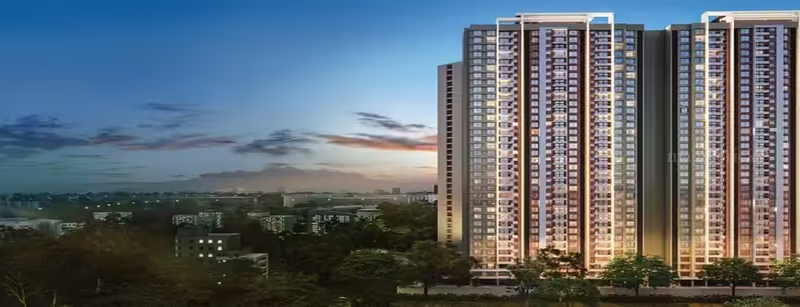
Chencharu Central Residences and the Making of a New Yishun Estate: A Stage-by-Stage Look
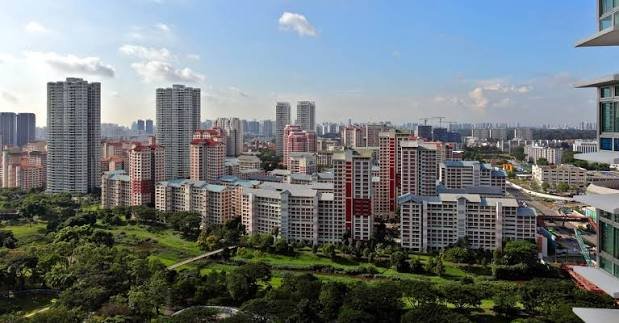
Most Singapore home buyers choose between established towns and brand-new ones. A new estate is less a finished place than a process, and understanding the stages helps you judge how much patience a purchase will demand. The Chencharu area in southern Yishun is a useful case study. Details below come from project websites and published planning summaries, so verify them with official sources before relying on them.
Stage One: The Plan on Paper
HDB announced Chencharu as a new estate of about 70 hectares, with roughly 10,000 homes targeted by 2040, according to the project website for the Yishun development. At this stage, the neighbourhood exists as a masterplan: land uses, road alignments, parks and walking and cycling links. Planning documents describe intentions, and timelines can shift.
Stage Two: The First Homes Arrive
The same website says the first Build-To-Order project in the precinct, with about 1,270 flats, launched in June 2024. Early residents of a new estate typically live alongside construction, with temporary bus arrangements and limited shops. Noise, dust and heavy vehicles are part of daily life during this phase, usually within permitted working hours.
Stage Three: Transport and Services Catch Up
Rail and road links often mature after the first residents move in. The website mentions the North-South Corridor as expected to open progressively from 2027, and a planned bus-only link road. Treat such dates as targets. Meanwhile, the existing Khatib MRT station on the North-South Line is listed at about 0.45 to 0.49km from the Chencharu Close site, a straight-line figure that a buyer should convert into a real walking time.
Stage Four: Anchors Open
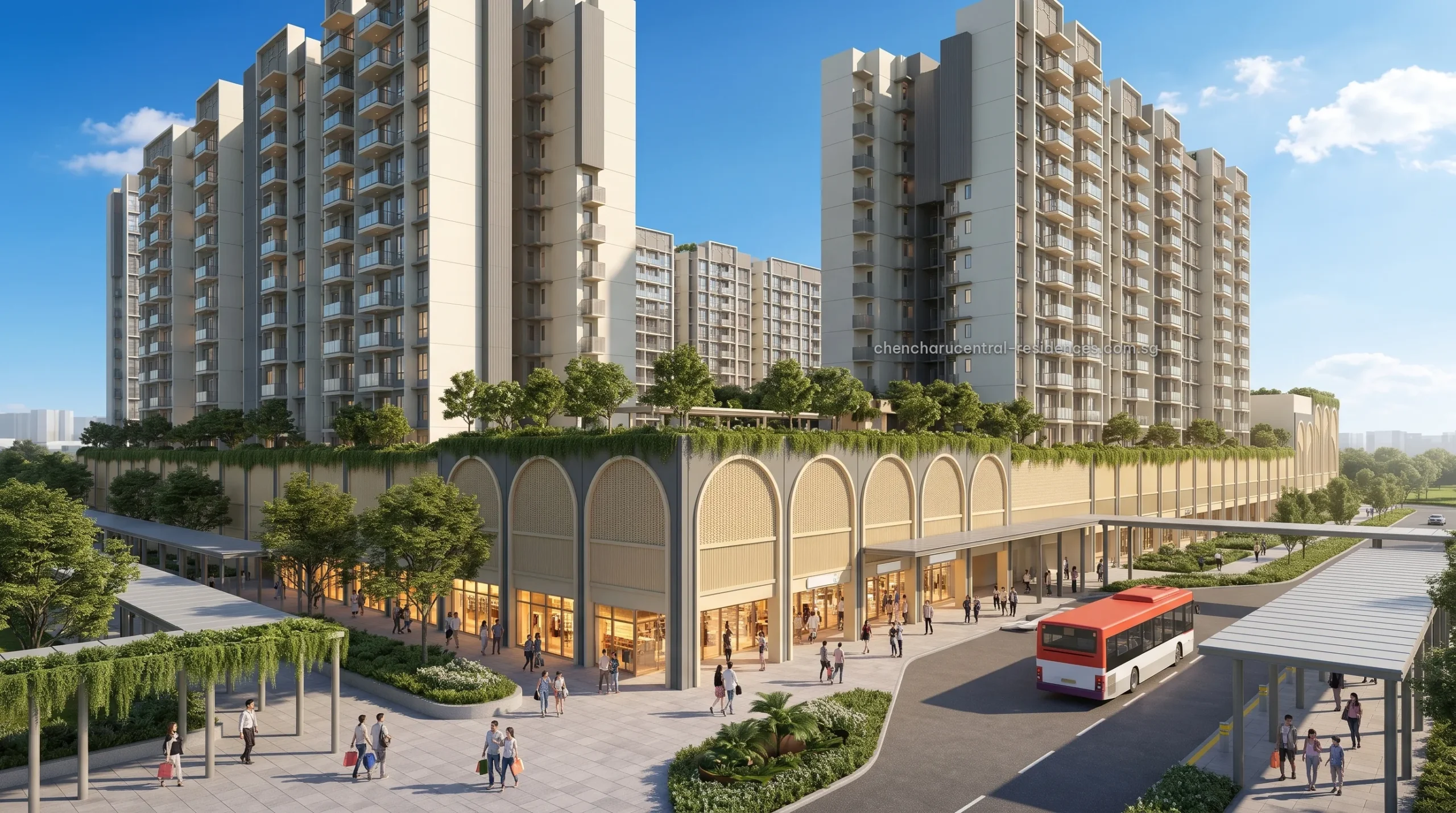
New estates usually gain a few anchor facilities first. Here, Chencharu Central Residences, the planned mixed-use condominium, is described on its website as including a hawker centre of about 37,674 square feet and an integrated bus interchange of about 58,125 square feet, alongside up to about 875 homes and retail space. For a household, having food and transport on site could shorten daily errands, but it also means activity near the homes, so ask how residential entrances and lifts are separated from public areas. Launch timing is described as expected in early 2027, with pricing still to be announced.
Stage Five: Greenery Matures
Landscaping takes years to feel established. The website refers to a planned park with a heritage trail and a retained colonial-era bungalow, plus cycling and walking paths towards Sembawang, Khatib Bongsu and Lower Seletar Reservoir. Existing outdoor options are listed nearby, including Lower Seletar Reservoir Park at about 0.8km and Yishun Stadium at about 0.51km. Until the new park is built, a buyer should judge the area on what exists today.
How an Established Neighbourhood Differs
Compare that journey with a mature pocket of the island. Langdon Heights is described by developer-linked websites as a 99-year leasehold condominium on Dover Drive in District 5, in the settled Dover-Medway area close to one-north. One site cites about 625 homes and a walk of roughly 300m to one-north MRT, and another lists a cluster of schools within about 1.5km. Because the surroundings already exist, a buyer there can judge the neighbourhood in person rather than from plans, though the project itself has no confirmed price or launch date.
What the Two Paths Mean for a Buyer
| Question | Emerging estate | Established area |
| What can I see today? | Plans and partial construction | The finished neighbourhood |
| Noise during early years | More likely | Usually limited |
| Facilities | Arrive in phases | Already in place |
| Predictability | Lower | Higher |
| Upside from planned upgrades | Possible but uncertain | Fewer changes expected |
Ways to Reduce the Risk of Buying Early
- Visit on a weekday, when construction is busiest.
- Ask the developer for the site plan and neighbouring land uses.
- Separate confirmed infrastructure from long-range proposals.
- Avoid paying a premium for amenities that do not yet exist.
- Make sure you could live comfortably if some facilities arrive late.
Money Matters Still Apply
Whichever setting you choose, a private condominium loan is assessed under the Total Debt Servicing Ratio, and new launches use staged payments over several years. Stress-test your budget at a higher interest rate, and keep a buffer for stamp duties and legal fees.
The Takeaway
An emerging estate rewards patient buyers who value a fresh start, while an established area suits those who want certainty today. Decide how much waiting you can tolerate, verify each plan with HDB, URA and the developer and have a lawyer review the contract before you commit.