How Long Should a Radiator Actually Last?
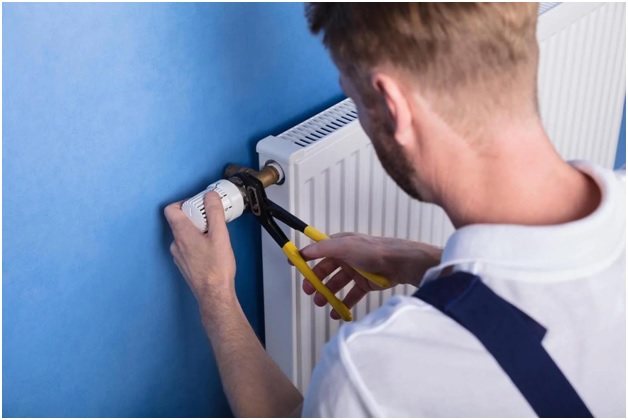
Central heating systems are often taken for granted until something goes wrong. Among the most common questions homeowners ask is how long their radiators should realistically last before needing replacement. While there is no single definitive answer, understanding the typical lifespan, influencing factors, and maintenance practices can help you avoid unexpected failures and costly repairs.
For many households, Radiator form the backbone of an efficient heating system, quietly delivering warmth year after year. When the time comes to upgrade, exploring reliable options ensures you invest in products built for longevity.
Average Lifespan of Different Radiator Types
The expected service life of a radiator varies significantly depending on its material and design. Steel panel radiators, the most common type in UK homes, typically last between 15 and 25 years under normal conditions. Aluminium radiators often perform well for 20 to 30 years thanks to their corrosion-resistant properties, while traditional cast iron models can exceed 40 or even 50 years when properly maintained.
These figures assume standard domestic use with appropriate water treatment and regular servicing. However, real-world performance frequently deviates from manufacturer estimates. Radiators in hard water areas or those installed in properties with poor maintenance often fail much earlier, sometimes within 10 to 12 years.
Key Factors Affecting Radiator Longevity
Several environmental and operational elements determine how long your heating system will remain effective. Water quality stands out as one of the most critical factors. Hard water contains high levels of minerals that cause limescale build-up inside radiators, reducing efficiency and accelerating internal corrosion.
Corrosion is the primary enemy of most radiators. Once oxygen and water interact with the metal, rust forms and eventually weakens the structure, leading to leaks or complete failure. Modern central heating systems use inhibitors to slow this process, but these chemicals lose effectiveness over time and require periodic replacement.
Installation quality also plays a substantial role. Poorly fitted radiators may suffer from uneven stress, inadequate venting, or incorrect pipework connections, all of which shorten their working life. Location within the home matters too – radiators in humid environments like bathrooms or kitchens tend to deteriorate faster than those in drier rooms.
System pressure fluctuations, frequent on-off cycling, and inadequate bleeding of air from the system further contribute to premature wear. Even the type of boiler paired with your radiators can influence their lifespan. High-efficiency condensing boilers produce cooler return water, which can sometimes increase internal condensation and corrosion in older radiator designs.
Warning Signs That Replacement is Approaching
Recognising when a radiator is nearing the end of its useful life allows you to plan replacements proactively rather than dealing with emergencies during winter.
Cold spots at the bottom of a radiator while the top remains hot often indicate sludge and debris accumulation. Persistent leaks, especially around welds or joints, suggest structural weakening. Discoloured water when bleeding the radiator points to significant internal corrosion.
You might also notice reduced overall heat output despite bleeding and balancing or unusual noises such as gurgling and banging. Visible external rust, particularly on the back or underside of steel radiators, is another clear indicator that internal damage is advanced.
If your energy bills have risen noticeably without changes in usage patterns, inefficient radiators could be part of the problem. Modern replacements often provide better heat distribution and work more effectively with contemporary heating controls.
Practical Steps to Maximise Radiator Life
Fortunately, several straightforward measures can significantly extend the life of your heating system. Annual servicing by a qualified Gas Safe engineer ensures optimal performance and catches minor issues before they escalate. This typically includes checking inhibitor levels, cleaning filters, and assessing system pressure.
Bleeding radiators regularly, especially at the start of the heating season, removes trapped air that accelerates corrosion. Fitting magnetic filters on your central heating system captures sludge and debris before they circulate through your radiators.
Consider water treatment options carefully. In hard water areas, a scale reducer or water softener can make a meaningful difference. Avoid overusing chemical cleaners, as some aggressive products can damage seals and valves.
When redecorating, protect radiators properly and ensure they are not overpainted, which can trap moisture and promote rust. Good ventilation in the property helps reduce condensation that affects both radiators and the wider heating system.
Making the Decision to Replace
Once a radiator shows multiple signs of failure, replacement becomes more economical than repeated repairs. Modern radiators offer improved energy efficiency, better aesthetic options, and enhanced compatibility with smart heating controls.
When selecting replacements, focus on quality construction and appropriate sizing for your room. Double panel convectors provide excellent heat output in larger spaces, while vertical designs can transform awkward areas. Material choice should balance durability, heat emission, and budget considerations.
Professional installation remains essential. Correct sizing, proper positioning, and system flushing during replacement prevent future problems and ensure your new radiators perform optimally from day one.
Looking Ahead: Future-Proofing Your Heating
The heating industry continues to evolve, with increasing emphasis on low-carbon solutions and smart technology integration. While traditional radiators will remain relevant for many years, choosing versatile models now prepares your home for potential future system upgrades, such as heat pumps or hybrid setups.
Understanding the realistic lifespan of your radiators empowers better decision-making. Rather than viewing heating maintenance as an expense, consider it an investment in comfort, efficiency, and long-term savings. Regular attention to your system not only extends its life but also reduces energy consumption and prevents disruptive breakdowns.
By staying attentive to performance changes and addressing issues promptly, most homeowners can enjoy reliable warmth from their radiators for decades. When replacement time arrives, selecting well-engineered products and ensuring professional installation will set your heating system up for another long and efficient chapter.