Wine Country California: The Insider’s Guide to a Region That Rewards Preparation
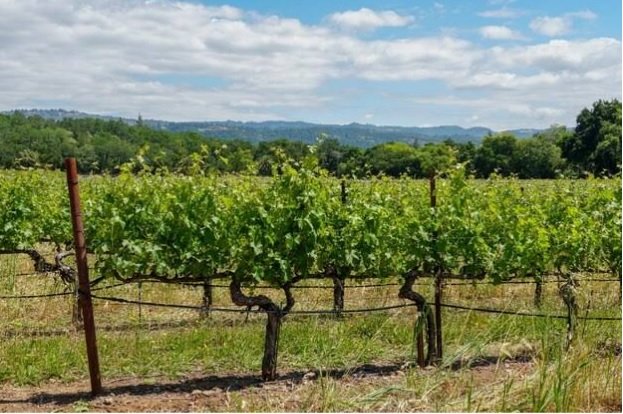
California produces more wine than any other American state — nearly 85 percent of all US wine output, from over 140 distinct American Viticultural Areas that span coastal fog belts, mountain slopes, and sun-drenched interior valleys. It is a wine country in the truest sense: not a destination but a geography, shaped over decades by the people who decided to farm it seriously and the travelers who discovered that visiting it was as rewarding as drinking the result.
This guide is written for the traveler who wants to go beyond the obvious. Napa is extraordinary and deserves its reputation. But California’s wine story is larger and more varied than any single valley, and the regions outside the famous names increasingly offer the most compelling reasons to visit — better value, more personal experiences, and a wine culture that is still forming rather than fully established.
Why California Wine Country Rewards Preparation
The Geography Is Not Self-Explanatory
California’s wine regions are not geographically intuitive to the first-time visitor. Napa and Sonoma, which most visitors treat as interchangeable neighbors, are fundamentally different in character, varietal focus, and hospitality culture. Paso Robles, sitting halfway between Los Angeles and San Francisco, is closer in style to the Rhône Valley of France than to either Napa or Sonoma. The Santa Barbara County wine regions — Santa Rita Hills, Happy Canyon, Sta. Rita Hills — are coastal, fog-influenced, and Pinot Noir-driven in a way that surprises visitors who arrive expecting California sunshine and big reds.
Understanding even the basic geography before you arrive changes what you decide to taste, where you decide to stay, and how you build your itinerary. The traveler who knows that Sonoma is cooler, more fog-influenced, and Pinot-focused will have a different and more rewarding experience than the one who arrives thinking it is simply the less expensive version of Napa.
A thoughtful approach to Wine Country California starts with a single question: what kind of wine experience are you actually trying to have? The answer shapes everything from which region you prioritize to which estates you book to how many days the trip deserves. California is not one wine country. It is at least half a dozen, and each one has a distinct claim on your time.
The Regions Beyond Napa That Deserve Your Attention
Sonoma County: The Broader Palate
Sonoma County covers more geographic ground than Napa Valley and produces a wider range of varietals at a wider range of price points. The Russian River Valley, nestled in the cooler, fog-influenced western portion of the county, produces Pinot Noir and Chardonnay with a restraint and complexity that competes with the world’s best expressions of both varietals. Dry Creek Valley, warmer and sheltered from the Pacific influence, is the home of California’s best Zinfandels — powerful, spice-forward wines that are as distinctly Californian as any Napa Cabernet.
Sonoma’s restaurant scene has developed significantly over the past decade. Healdsburg, the county’s culinary center, now contains a concentration of serious restaurants within walking distance of each other that rivals what Yountville offers in Napa — at somewhat lower prices and with a more relaxed atmosphere.
Paso Robles: California’s Most Exciting Wine Region Right Now
If you asked a group of serious California wine professionals where they would choose to taste if they could only visit one region this year, a significant number would say Paso Robles. The San Luis Obispo County region — roughly three hours south of San Francisco and four hours north of Los Angeles — has attracted a generation of winemakers who came specifically because the land was affordable, the soils were interesting, and the regional identity was still being written.
The Adelaida District, in the cooler western portion of Paso, is limestone-rich and produces Cabernet and Rhône varietals with a structure and minerality that sets them apart from the warm-climate, fruit-forward style most associated with the region’s larger producers. Tablas Creek Vineyard — a joint venture between the Haas family and the Château Beaucastel team from the Rhône — has been farming organically here since the 1990s and remains the region’s most important reference point for quality.
Santa Barbara County: The Unexpected Discovery
Santa Barbara County wine country is the region most likely to genuinely surprise a visitor who has never been. The Sta. Rita Hills appellation, straddling the Santa Ynez Valley near Lompoc, produces Pinot Noir in a climate so fog-influenced and cool that the growing season extends into November — unusual for California and responsible for wines with an acidity and tension more associated with Burgundy than with any American wine region.
The Santa Ynez Valley’s eastern portion, warmer and sheltered, produces Bordeaux varietals, Rhône-style blends, and increasingly ambitious Grenache from producers who are still relatively unknown outside the region. Happy Canyon of Santa Barbara is the newest and most dynamic of the county’s sub-appellations, attracting attention from collectors who discovered it before the press did.
Planning Across Multiple Regions
The One-Region Rule
The most common mistake in California wine travel is attempting to cover too much geography in too little time. Napa and Sonoma in a weekend, with a “quick stop” in Paso on the way back, produces an experience of all three that is satisfying in the way that reading a book’s table of contents is satisfying — you know what is in there, but you have not read any of it.
The approach that consistently produces the most rewarding trips is the one-region rule: one wine region, given two to three full days minimum. Understand the geography. Taste the range. Eat in the region’s restaurants. Have the conversations that only happen when you stay long enough to be recognized as a returning visitor rather than a day-tripper.
Combining Regions Intelligently
If your trip genuinely allows for multiple regions, the most logical pairings are Napa and Sonoma for a contrast in style and culture within the same geography; or Paso Robles and Santa Barbara County for a south-of-San-Francisco wine country week that covers the range from warm-climate Rhône varietals to cool-climate Pinot Noir.
Resist the temptation to add Napa to a Paso trip or vice versa. The drive between them is over four hours, and arriving at a wine region road-weary and rushed is worse than not arriving at all.
Conclusion
California wine country is one of the genuinely great travel experiences available to anyone within reach of the western United States — and increasingly to international visitors who are discovering that the quality and variety of California wine merits the journey that France and Italy have attracted for generations.
The traveler who approaches it with preparation — who has done enough research to know what they are looking for before they arrive, and who has resisted the urge to cover more ground than the trip can actually hold — will find experiences here that last. The wine is the starting point. The place, the people, and the stories that come with it are the reason to come back.