Choosing the Right POM Masterbatch for Industrial Manufacturing Needs
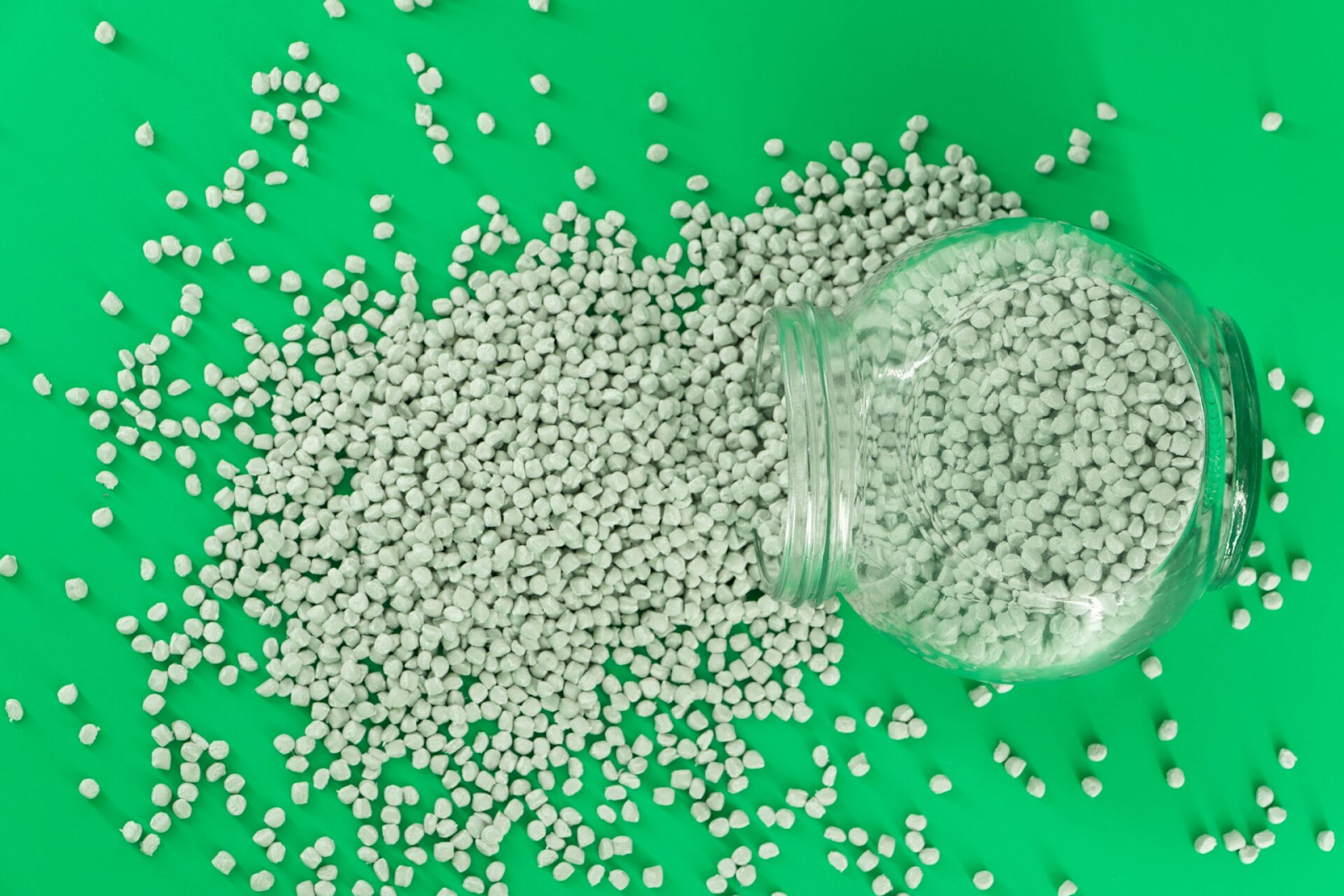
Polyoxymethylene (POM), also known as acetal, is a high-performance engineering polymer known for all its excellent dimensional stability and low friction. Since the polymer forms crystals easily, which accounts for the exceptional stiffness and creep resistance of POM masterbatch, additives must be carefully managed when designing precision parts like gears and fuel system components during the injection moulding process. In industrial applications, flame-retardant grades are particularly crucial, as they limit fire hazard in the event of a failure, but finding a masterbatch with a zero-halogen solution is becoming increasingly essential to specify polymer grades that comply with environmental legislation.
Tips for Choosing the Right POM Masterbatch for Industrial Manufacturing Needs
Choosing the best masterbatch of a leading producer, POM parts can perform well, using a flame retardant that contains zero halogen for safety and the guaranteed long-term of industrial systems.
1. Verify Chemical Carrier Compatibility: A leading masterbatch manufacturer will ensure the carrier resin is a perfect match for your exact POM grade. Acetal is extremely prone to acid-catalysed degradation, where the use of an unsuitable carrier, one that is chemically out of sync, can lead the polymer to “unzip” in a sense. This could invite part and failure. However, simply choosing a chemically synchronised masterbatch can make this a concern of the past.
2. Prioritise High-Dispersion Formulations: When it comes to high-performance thermoplastic products, manufacturers often operate at razor-thin tolerances. Deviations in polymer blend ratios driven by inconsistent additive dispersion led to out-of-spec compounds, which in turn resulted in wasted material. Furthermore, poor dispersion often necessitates overcompensation with higher loadings, which dramatically affects the compound’s viscosity, melt flow and final part performance.
3. Evaluate Thermal Stability Limits: To process POM at the higher temperatures required for the industrial applications, it is very important to have a masterbatch that does not degrade and outgas formaldehyde. Only a product that prevents yellowing and gas generation can ensure the necessary properties for demanding applications.
4. Ensure Compliance with Safety Standards: Using a zero-halogen flame retardant is a must for the production of electronic and public infrastructure parts. Select a provider who ensures that flame retardants are tested within the given matrix and isn’t just using the coefficient results per the patents. Moreover, it is important for proper product development and catering to the specific needs of your application.
5. Assess the Long-Term Environmental Resistance: Industrial applications often subject the POM components to harsh chemicals and UV radiation, in addition to the varying moisture levels. An appropriate additive package will include sufficient stabilisers to partially counteract these influences. Reproducing a robust masterbatch will extend the component’s operational life, reduce maintenance costs, and improve the image of the final manufactured product.
Final WordsIn summary, to achieve batch-to-batch consistency in POM applications, you must carefully manage both mechanical stability and additive compatibility. In addition, beyond traditional grades, the incorporation of specific conductive compounds will improve part performance in electronic field applications. Integrating with a masterbatch manufacturing company is increasingly important for meeting modern safety standards without compromising mechanical integrity. And last but not least, always perform in-depth pilot trials in advance of purchasing in bulk to ensure the desired properties are retained, and your production equipment remains continuously operational.