How to Plan an Affordable Trip Around Koh Tao Diving Prices
Budgeting for a dive trip is often the part travelers put off until the last minute, then scramble to figure out once they’ve already landed in Thailand. Understanding koh tao diving prices ahead of time removes that stress entirely, letting you plan a trip that fits your budget without cutting corners on safety or instruction quality. Koh Tao built its reputation as one of the world’s most affordable places to learn to dive, and that reputation still holds, provided you know roughly what to expect before you start comparing operators.
Certification Costs: What an Open Water Course Actually Runs
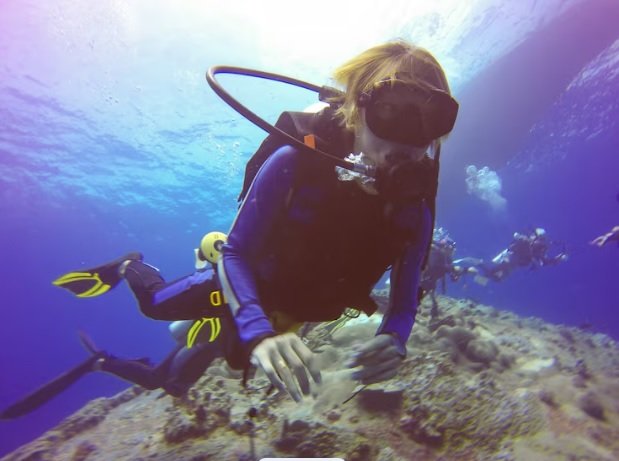
For most first-time divers, the biggest single expense is the PADI Open Water certification itself, which typically falls somewhere in the range of $250 to $350 USD depending on the operator and season. That course runs over three days and combines e-learning or classroom theory with five confined-water pool sessions and four open-water dives at real reef sites, so the price covers instruction, equipment rental, boat trips, and certification fees rather than just a few hours in the water. It’s worth asking exactly what’s included before booking, since some quotes bundle everything while others charge extra for equipment or materials.
Fun Dives and Package Discounts
Already certified and just looking to log more dives? Fun dives on Koh Tao generally run somewhere around $25 to $35 per dive when booked individually, though the real savings show up once you commit to a package. Multi-dive bundles almost always come with a per-dive discount, meaning a diver planning to do six or ten dives over a week will pay noticeably less per dive than someone booking one at a time. This is where comparing koh tao diving packages pays off, since operators structure their pricing differently and the gap between the cheapest and most convenient option can be significant over a longer stay.
Where the Money Actually Goes
It helps to understand what you’re paying for rather than just comparing bottom-line numbers. Boat fuel, equipment maintenance, dive site fees, instructor wages, and safety equipment all factor into scuba diving in thailand cost, and an operator quoting noticeably below the going rate is often cutting corners somewhere in that chain. That doesn’t mean the most expensive option is automatically the safest, but it’s worth treating a suspiciously low quote with the same skepticism you’d apply anywhere else. A koh tao diving prices comparison across a handful of reputable operators usually reveals a fairly narrow band once you’re looking at similarly equipped, similarly staffed dive centers, which makes it easier to spot outliers in either direction.
Advanced and Specialty Course Pricing
Once certified, a lot of divers get pulled toward Advanced Open Water or specialty courses like deep diving, wreck diving, or underwater photography, and it’s worth budgeting for these separately rather than assuming they’re bundled into your original certification. Advanced Open Water typically runs as its own multi-day package priced similarly to, though usually somewhat less than, the original Open Water course, since it builds on skills you already have rather than teaching everything from scratch. Specialty courses vary more widely in price depending on equipment involved, a photography specialty might just need a camera rental, while a deep diving specialty involves additional supervised dives to greater depths. None of these are required to keep diving recreationally, so it’s worth treating them as optional add-ons to price out only if they genuinely interest you, rather than something you need to budget for automatically alongside your first certification.
Timing Your Trip to Stretch Your Budget
Season affects both cost and conditions. The dry season, running roughly November through April, brings calmer seas and generally better visibility, with December through February and again March through April often standing out as the clearest stretches. Because water temperature stays around 27 to 30 degrees Celsius year-round, diving happens every month, but booking during shoulder periods can sometimes mean better availability and softer pricing, since the heaviest tourist crush concentrates around the calmest weeks. Travelers with flexible schedules can use that to their advantage, timing a trip for good conditions without paying peak-season rates across the board.
Building a Realistic Total Budget
Once you’ve priced out certification or fun dives, factor in accommodation, food, and any side trips to sites like Sail Rock, which usually carry a modest premium over standard reef dives due to the longer boat ride. A week-long trip combining a course with a handful of fun dives afterward is a common structure, and building that out in advance, rather than pricing things day by day on the island, tends to produce a more accurate picture of total spend. Koh Tao remains genuinely budget-friendly by global diving standards, but a little research before you arrive turns “probably affordable” into a number you can actually plan around.