Explore and Find Your Perfect Pour Across the Golden State
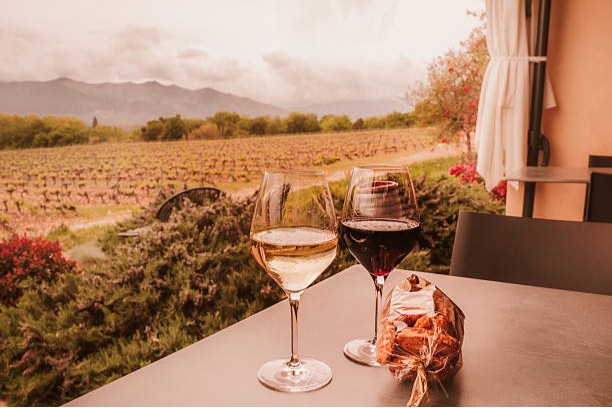
There is a moment that happens somewhere between the first sip and the second glass — a moment when the vineyard around you stops being scenery and starts being the story. The golden light falling across rows of old-vine Zinfandel. The winemaker who pulls a barrel sample and speaks about the soil the way a chef talks about a harvest. The cheese board that arrives just as the Pinot Noir opens up. California has been producing these moments for generations, across regions so distinct from one another that calling them a single destination barely does them justice.
This guide is your curated starting point — built for curious wine lovers who want more than a winery map. From when to visit and what to drink, to the regions most worth your time, here is how to experience wine travel in California the right way.
Best Time to Visit California Wine Country
California’s wine regions are open year-round, but each season offers a genuinely different experience. Harvest season, running from late August through October, is the most dramatic crush is underway, the vineyards smell of fermentation, and the energy across tasting rooms is unlike any other time of year. If you want to see wine being made, this is your window.
Spring (March through May) brings wildflowers and cooler temperatures, ideal for long drives between wineries without the summer crowds. Winter is the industry’s quieter season — vine pruning, cellar work, fewer visitors — and many tasting rooms offer more intimate, unhurried experiences at significantly lower rates. Summer is the most popular window but also the hottest and most congested, particularly in Napa Valley on weekends.
For first-time visitors on a budget, late winter to early spring offers the best combination of access, atmosphere, and value.
The Regions: Where to Go and What to Expect
California’s wine landscape is not one place — it is a collection of distinct regions, each shaped by different soils, climates, and winemaking philosophies. Understanding the differences before you go makes for a far more intentional, satisfying trip.
Napa Valley is the most celebrated and the most visited. Known above all for its Cabernet Sauvignon, Napa delivers architectural tasting rooms, Michelin-level cuisine, and some of the most expensive wines produced anywhere on the planet. It is polished, curated, and genuinely impressive — but it rewards those who book ahead and are willing to spend accordingly.
Sonoma County sits just west of Napa and offers a softer, more varied experience. The Russian River Valley produces world-class Pinot Noir and Chardonnay. Dry Creek Valley is Zinfandel country. The Sonoma Coast, where cold Pacific air pushes inland, is producing some of California’s most exciting cool-climate wines. Family-run estates, farm stands, and a genuine farm-to-table culture make Sonoma the region many serious wine travelers prefer for a longer stay.
Paso Robles has become one of California’s most compelling wine destinations over the past two decades. The region’s extreme temperature swings — hot days, cool nights — produce wines of remarkable concentration and freshness. Rhône varietals like Syrah, Grenache, and Viognier thrive here, alongside bold Cabernets and increasingly sophisticated blends. Paso is less crowded, more affordable, and full of producers who are still genuinely excited to share what they are making.
Santa Barbara County rounds out the must-visit list. The east-west orientation of the valleys here allows Pacific marine air to funnel inland, creating some of the coolest growing conditions in the state. Pinot Noir and Chardonnay from the Sta. Rita Hills are among the most sought-after in California. The urban tasting room scene in downtown Santa Barbara — known as the Urban Wine Trail — is one of the best in the country for a walkable afternoon of serious wine drinking.
What to Sip: Varietals Worth Knowing Before You Go
Knowing what grows where is the single most useful piece of knowledge you can bring into any tasting room. A well-planned trip through California wine country moves between regions with intention — tasting Cabernet where the soils demand it, Pinot Noir where the fog rolls in, and Rhône blends where the sun stays longest.
Cabernet Sauvignon is California’s signature red and Napa’s crown jewel. At its best, it delivers dark fruit, cassis, graphite, and a structure built for aging. Pinot Noir from the Russian River Valley or Sta. Rita Hills is a completely different animal — lighter in body, translucent in color, with a complexity that rewards attention. Chardonnay varies wildly depending on the winemaker’s hand: unoaked versions from the coast show bright acidity and minerality, while the fuller, more buttery styles from warmer inland sites remain a California classic.
For something less expected, seek out old-vine Zinfandel from Dry Creek Valley, Grenache-based blends from Paso Robles, or a Grüner Veltliner from one of the cooler coastal producers pushing California’s white wine story into genuinely exciting territory.
| Expert Tip: Always call ahead or book online before visiting a tasting room, even for walk-in-friendly wineries. California’s most sought-after estates — particularly in Napa and the Sta. Rita Hills requires reservations and fills weeks in advance on weekends. Booking at least 5–7 days in advance guarantees access to experiences worth traveling for. |
Where to Eat: Food That Makes the Wine Taste Better
California wine country has long understood that great wine and great food are inseparable. The dining scene across all four major regions has matured to a point where food is no longer an afterthought to the tasting room experience — it is the reason many travelers come back.
In Napa, the restaurants surrounding the main valley corridor — from Yountville through St. Helena — represent some of the finest food in the country. Farm-to-table dining here is not a marketing phrase; it is a direct reflection of the agricultural abundance surrounding every kitchen. A long lunch at a winery restaurant, paired with estate wines, is one of the definitive California wine country experiences.
In Sonoma, Healdsburg has emerged as one of the most exciting small food towns in the country, with a concentration of chef-driven restaurants that punch well above the town’s size. Paso Robles has its own thriving downtown dining scene, and Santa Barbara pairs its wine trail with a waterfront restaurant culture, making for a genuinely seamless eat-sip-explore day.
Practical Tips Every Wine Traveler Should Know
A little planning goes a long way in wine country. These are the tips that separate a memorable trip from an overwhelming one:
- Limit tastings to three or four wineries per day: Wine fatigue is real. Three focused, unhurried visits will always be more satisfying than six rushed ones. Quality over quantity applies as much to tasting rooms as it does to the bottles.
- Hire a driver or book a tour: Drinking and driving is never an option. Private drivers, guided winery tours, and wine country shuttles are widely available across all major regions and remove the logistical stress from the day entirely.
- Ship wine home rather than check it: Most wineries offer flat-rate shipping directly to your door. It is safer, cheaper, and far less stressful than transporting bottles through an airport.
- Eat before and during tastings: Tasting on an empty stomach accelerates alcohol absorption and dulls the palate. Bring snacks, accept the cheese boards, and always order food when a kitchen is available.
- Ask the pourer what they are most excited about: The best tasting room conversations happen when you move beyond the set flight. Winery staff are usually passionate and knowledgeable — let them steer you somewhere unexpected.
- Book accommodation midweek if budget matters: Weekend rates at wine country hotels and inns are significantly higher than midweek rates. A Tuesday-to-Thursday visit can cost half as much and comes with shorter queues at every tasting room.
Final Thoughts
California’s wine regions reward the traveler who arrives with curiosity and leaves the itinerary slightly loose. The best experiences — a winemaker pouring something not on the menu, a vineyard walk at sunset, a meal that makes a particular bottle click — rarely happen on schedule. They happen when you slow down, ask good questions, and let the place do what it does best.
Come with an open glass. Leave with a full story. That is, after all, what wine country is for.