From Nursery Trips to Doorstep Delivery — How Bangalore is Buying Plants Now
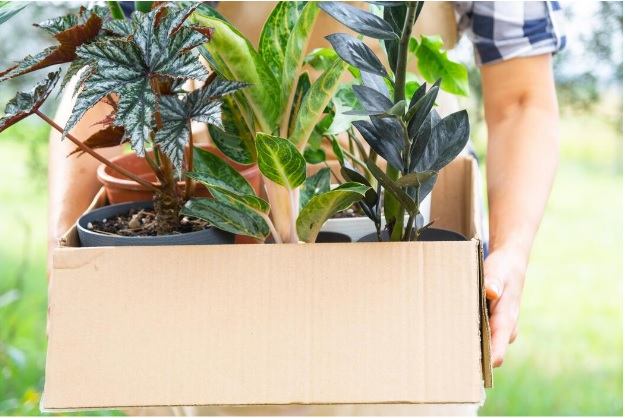
Bangalore has always been a city that takes its greenery seriously. The legacy of its garden city identity — Lalbagh, Cubbon Park, the old bungalow neighbourhoods with their mature trees and flowering hedges — has shaped how residents think about plants and outdoor spaces. Even as the city has transformed into a dense urban tech hub, that relationship with greenery hasn’t disappeared. It’s adapted.
The shift from physical nurseries to online plant shopping has happened gradually but decisively across Bangalore. It’s not that nurseries have become less relevant — the plant markets near Lalbagh and the roadside vendors along Bannerghatta Road still do brisk business. But for the majority of working Bangaloreans, the logistics of a nursery trip have become harder to justify when reliable alternatives exist. The question has moved from whether to buy plants online to how to do it well.
Why Bangalore’s Climate Makes Plant Ownership Genuinely Rewarding
Before getting into the practicalities of sourcing, it’s worth understanding why Bangalore is such a good city for plants in the first place.
The city sits at roughly 900 metres above sea level, which moderates temperatures significantly compared to other major Indian cities. Summers rarely exceed 35°C, winters stay well above freezing, and the monsoon — which arrives reliably in June — provides three to four months of natural irrigation. This combination makes Bangalore one of the more forgiving environments for both indoor and outdoor gardening in India.
The relatively clean air compared to Delhi or Mumbai means outdoor plants are less stressed by pollution. The consistent temperatures year-round — rarely too hot, rarely too cold — mean that plants don’t experience the extreme seasonal swings that demand constant adjustments to care routines. Many varieties that would struggle in harsher Indian climates thrive here with minimal intervention.
What Grows Particularly Well in the City
Understanding which plants are genuinely well-suited to Bangalore’s conditions helps narrow the options when browsing any platform.
Outdoors and on balconies: Bougainvillea is practically the city’s signature plant — it thrives in the mild heat, produces spectacular colour for months, and handles the monsoon without issue. Ixora, crossandra, and hibiscus all perform consistently well in Bangalore’s outdoor conditions. For those with terrace space, dwarf fruit trees — particularly guava, curry leaf, and dwarf lemon — grow enthusiastically here and produce harvests that make the care investment worthwhile.
Indoors: The filtered light conditions of most Bangalore apartments suit a wide range of tropical foliage plants. Monstera, pothos, and philodendrons all handle the indirect light typical of apartment interiors. Peace lilies and anthuriums, which prefer shade and consistent moisture, also do particularly well given the city’s naturally humid air during the monsoon months.
For shaded spots: Boston ferns, bird’s nest ferns, and diffenbachia are excellent choices for spots that receive limited direct light — common in apartments where balconies face adjacent buildings or are partially covered by overhead structures.
How to Choose a Reliable Online Plant Source
With several platforms now offering buy plants online bangalore services, the question of how to distinguish between them is worth addressing directly.
Packaging quality is the most immediate indicator of how seriously a seller takes plant health. A plant that arrives in a well-constructed box, secured upright with its soil retained and foliage protected, reflects a seller who understands they’re shipping living things. Damaged packaging, wilted plants, or soil spilled throughout the box suggests the opposite.
Accuracy of variety labelling matters more than many buyers realise. Generic listings that use only broad category names — “indoor plant,” “flowering plant” — without specifying the exact variety make it impossible to research care requirements before purchase. Sellers who provide botanical names, growth habits, and specific care information in their listings are giving buyers what they need to succeed.
Delivery timelines are particularly relevant for Bangalore’s climate. During the hot months of April and May, a plant spending multiple days in a delivery box can suffer significant heat stress. Same-day or next-day delivery, available from several platforms serving Bangalore, is substantially better for plant health than standard three-to-five-day logistics.
Practical Tips for Getting Started
A few habits that make the difference between a plant that thrives and one that struggles from the first week:
Order on weekday mornings — Plants dispatched early in the day travel in cooler conditions and arrive before peak afternoon heat. Avoid ordering on Fridays if next-day delivery means weekend transit, when logistics can slow.
Check the return policy — A seller confident in their product quality will offer a replacement or credit for plants that arrive in poor condition. This is worth confirming before placing a first order.
Prepare before the plant arrives — Decide on placement, have a pot ready if repotting is planned, and check light levels in the intended spot at different times of day. Many indoor spots receive less light than they appear to, particularly in Bangalore apartments where surrounding buildings create shadow for much of the day.
Give new arrivals time — Resist repotting immediately after delivery. A week or two in the original container allows the plant to recover from transit stress before facing the additional disruption of a new pot and soil.
Best Plants for Common Bangalore Spaces
Small balcony with morning sun: Ixora, marigolds, portulaca, and small herb pots — basil, mint, and lemongrass all do well with a few hours of direct morning light.
Large terrace with full sun: Bougainvillea, hibiscus, agave, and dwarf fruit trees. These handle Bangalore’s full sun conditions without difficulty and make a terrace feel genuinely productive.
Interior room with limited light: Snake plant, ZZ plant, pothos, and peace lily. All four handle the low-light conditions of interior Bangalore apartments without complaint.
Conclusion
Bangalore’s combination of mild climate, plant-friendly culture, and now reliable online delivery infrastructure makes it one of the best cities in India to build a green home. The barriers that once made plant ownership feel effortful — the nursery trip, the limited selection, the uncertainty about what would survive — have largely been removed. What remains is simply the enjoyable part: choosing well, placing thoughtfully, and watching things grow.