Worm Gear Cutting Tools Guide for Modern Gear Production Pro
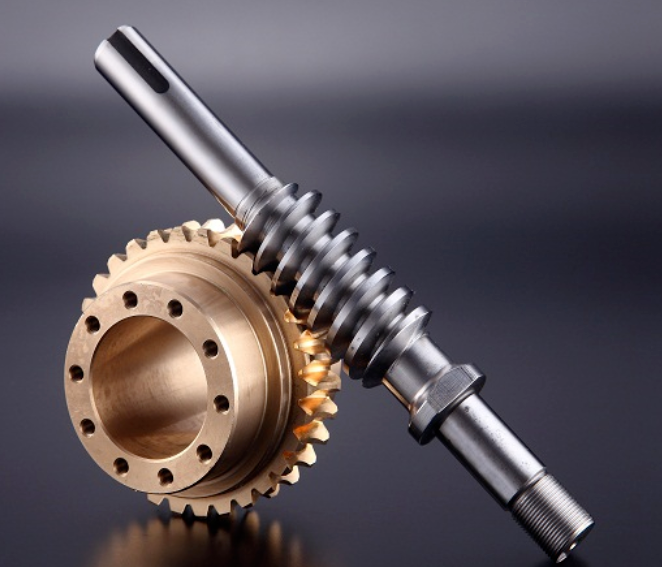
Worm gear systems are widely used in mechanical engineering because they provide smooth motion transmission, high torque output, and the ability to achieve significant speed reduction. These characteristics make them ideal for applications in automotive systems, industrial machinery, robotics, and heavy equipment. Producing these components requires specialized machining processes and precision tools. Among the most important processes in this field is worm gear cutting, which allows manufacturers to create accurate gear profiles required for efficient mechanical performance. To achieve the best results, manufacturers depend on high-quality worm gear cutting tools designed for precision machining and long tool life.
Modern manufacturing environments demand gears that operate quietly, efficiently, and reliably under heavy loads. The quality of these gears depends heavily on the cutting tools and machining methods used during production. Properly designed tools ensure accurate tooth geometry, smooth surface finishes, and consistent gear engagement during operation.
Understanding Worm Gear Systems
A worm gear system typically consists of two components: a worm, which resembles a screw, and a worm wheel, which meshes with the worm to transmit motion. When the worm rotates, it drives the worm wheel, allowing rotational movement to be transferred between shafts positioned at right angles.
Because of their design, worm gears are often used when high torque transmission and compact mechanical layouts are required. However, the geometry of these components is complex, which means that accurate worm gear cutting processes are essential for producing gears that operate efficiently.
Precise machining ensures that the contact between the worm and the gear wheel is smooth and evenly distributed. When the tooth profile is correctly produced, the gear system can operate quietly while minimizing friction and wear.
Importance of Precision Gear Cutting Tools
Producing worm gears requires highly specialized machining tools capable of generating the correct tooth profile and lead angle. High-quality worm gear cutting tools are designed to match the exact geometry required for the gear being manufactured.
These tools must maintain precise cutting edges throughout the machining process. Even minor variations in tool geometry can affect gear performance, leading to increased noise, vibration, or premature wear in the mechanical system.
Manufacturers rely on advanced tool design and manufacturing techniques to ensure that the tools maintain consistent cutting accuracy. Modern CNC grinding machines are commonly used to produce gear cutting tools with extremely tight tolerances.
By using properly designed tools, manufacturers can improve production efficiency while maintaining the high standards required for modern gear systems.
Common Methods of Worm Gear Cutting
Several machining methods are used in worm gear cutting depending on the gear design and production volume. One of the most common methods involves using specialized hobs that gradually generate the gear tooth profile through synchronized rotation between the cutter and the gear blank.
Another technique involves milling operations where specially designed cutters remove material from the gear blank to create the required tooth geometry. This method is often used in smaller production runs or for custom gear designs.
Regardless of the machining method used, high-quality worm gear cutting tools are required to achieve accurate gear profiles and efficient machining performance.
Modern CNC machines allow manufacturers to perform gear cutting operations with high precision and repeatability. These machines can automatically control cutting speed, feed rate, and tool position, ensuring consistent gear quality across large production batches.
Materials Used in Gear Cutting Tools
Gear cutting tools must withstand high cutting forces, elevated temperatures, and continuous mechanical stress during machining operations. To meet these demands, worm gear cutting tools are typically manufactured from high-performance materials such as high-speed steel or carbide.
High-speed steel offers excellent toughness and wear resistance, making it suitable for many gear machining applications. Carbide tools provide higher hardness and allow faster cutting speeds, which improves productivity in large-scale manufacturing environments.
Advanced coatings are also applied to modern cutting tools to improve durability. Coatings such as titanium aluminum nitride reduce friction and protect the cutting edges from heat and wear during machining.
These improvements help extend tool life and ensure consistent cutting performance throughout long production cycles.
Industrial Applications of Worm Gears
Worm gear systems are used in a wide range of industries that require reliable motion transmission and high torque output. Automotive manufacturers use worm gears in steering mechanisms and other mechanical systems where precise motion control is necessary.
Industrial machinery also relies heavily on worm gear drives. Equipment such as conveyors, lifting systems, and packaging machines frequently use worm gears to achieve controlled speed reduction and efficient torque transfer.
In these applications, accurate worm gear cutting ensures that gears operate smoothly and maintain long service life even under demanding operating conditions.
Robotics and automation industries also depend on worm gear drives for motion control systems. These systems require precise gear geometry to maintain accurate positioning and smooth operation.
Heavy equipment used in construction and mining also incorporates worm gear mechanisms in lifting and positioning systems. Reliable machining using advanced worm gear cutting tools ensures that these components can withstand extreme mechanical loads.
Selecting the Right Cutting Tools
Choosing the correct cutting tools is essential for achieving optimal results in gear manufacturing. Engineers must consider several factors such as gear module, material type, machining speed, and machine capabilities.
High-quality worm gear cutting tools must be matched precisely to the gear specifications and machining conditions. Proper tool selection ensures efficient chip removal and prevents excessive wear during cutting operations.
Machine setup also plays a critical role in the worm gear cutting process. Accurate alignment between the tool and the workpiece helps maintain the correct tooth geometry and ensures consistent machining performance.
Working with experienced tooling suppliers can help manufacturers select the most appropriate tools for their specific applications. These suppliers often provide technical recommendations that help improve machining efficiency and tool life.
Maintenance and Tool Life Optimization
Proper maintenance is essential to ensure consistent performance from gear cutting tools. Regular inspection helps detect wear before it affects machining accuracy or surface finish.
When worm gear cutting tools begin to lose sharpness, they can often be reconditioned through precision grinding. Regrinding restores the cutting edges and allows the tool to continue producing accurate gear profiles.
Correct machining parameters such as cutting speed, feed rate, and coolant usage also contribute to longer tool life. Maintaining appropriate operating conditions helps reduce heat buildup and prevent excessive tool wear.
Proper storage and careful handling of cutting tools also play an important role in maintaining tool integrity. Tools should be stored in protective cases and kept free from contamination or accidental damage.
Future Trends in Worm Gear Manufacturing
Manufacturing technology continues to evolve, bringing new innovations to gear production processes. Modern CNC machines allow faster and more precise worm gear cutting operations than ever before.
Digital design software and machining simulations allow engineers to optimize gear geometry and machining parameters before production begins. These tools help reduce development time and improve overall manufacturing efficiency.
Tool manufacturers are also developing improved materials and advanced coatings that increase the durability of worm gear cutting tools. These innovations allow tools to operate at higher speeds while maintaining consistent performance.
Automation and smart manufacturing systems are also transforming gear production. These systems can monitor machining conditions and tool wear in real time, allowing operators to schedule maintenance before problems occur.
Conclusion
Worm gear systems remain an essential part of modern mechanical engineering because they provide reliable motion transmission and high torque output. Producing these gears requires specialized machining processes and high-precision cutting tools.
Accurate worm gear cutting ensures that gears maintain proper tooth geometry, smooth engagement, and long operational life. At the same time, advanced worm gear cutting tools allow manufacturers to achieve high productivity while maintaining strict quality standards.
By selecting the right tools, maintaining proper machining conditions, and adopting modern manufacturing technologies, companies can produce high-quality worm gears that meet the demanding requirements of today’s industrial applications.