Which Eye Frames for Men Suit Your Face and Lifestyle?
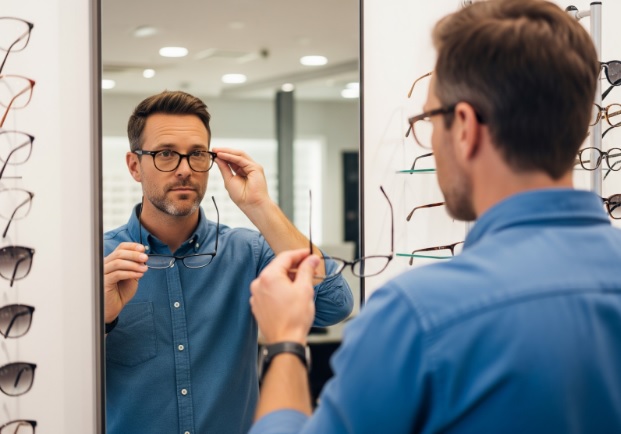
Modern eyewear is as much about personal expression as it is about clear vision. Choosing the right eye frames for men can transform appearance, improve comfort, and support daily activities. With countless materials, shapes, and colors available, a structured approach makes it easier to identify frames that work harmoniously with both face shape and lifestyle. Instead of treating glasses as a simple necessity, men can use them as a carefully considered accessory.
Matching Frames to Face Shape
Understanding face shape provides a useful starting point when selecting men’s eyeglass frames. Men with round faces often benefit from angular or rectangular frames that add definition and create a more structured look. Square faces, characterised by strong jawlines and broad foreheads, are often complemented by slightly rounded or oval frames that soften sharp angles.
For heart‑shaped faces—wider at the forehead and narrower at the chin—frames that are slightly wider at the top help balance proportions. Oval faces, considered the most versatile, usually suit most frame shapes, allowing for greater experimentation. Trying on different silhouettes reveals how each design influences overall appearance.
Considering Lifestyle and Daily Activities
Frames must also match how they will be used. Men working in formal business environments may prefer understated, slim designs in classic colors such as black, brown, or gunmetal. These stylish frames for men blend seamlessly with suits and office attire while maintaining a professional appearance.
Those with active lifestyles—whether due to sports, outdoor work, or frequent travel—may prioritize durability and flexibility. Sturdy materials, secure fits, and impact‑resistant lenses support demanding conditions. Some men choose a primary pair for work and a second, more robust pair for leisure or sport, ensuring each situation is well covered.
Exploring Materials: Metal, Acetate, and More
Material choice affects weight, comfort, and style. Metal frames, including stainless steel and titanium, are popular for their slim profiles and lightweight feel. Titanium, in particular, combines strength with resistance to corrosion, making it suitable for long‑term, everyday wear.
Acetate and other premium plastics allow for richer colors, layered patterns, and bolder designs. These frames often appeal to men who want eyeglasses to stand out as a style statement. Hybrid designs that combine metal temples with acetate fronts give the best of both worlds—structure plus visual interest.
Getting the Fit Right
Proper fit is essential for both comfort and optimal vision. Eye frames for men should rest comfortably on the bridge of the nose without slipping or pinching. Temples should be long enough to sit securely over the ears without pressing too tightly. When frames fit correctly, the optical center of each lens aligns properly with the wearer’s pupils, reducing strain and ensuring clear vision.
Optical professionals can help measure and adjust frames, bending temples, adjusting nose pads, or fine‑tuning angles. These adjustments may seem small but can dramatically improve day‑to‑day comfort, especially for glasses worn throughout long workdays.
Lens Choices and Coatings
Frames and lenses work together to create effective eyewear. Single‑vision lenses correct distance or near vision, while progressive lenses provide a smooth transition between multiple focusing distances. Some lens types may require frames with certain dimensions for best performance.
Coatings such as anti‑reflective layers improve clarity when working under bright indoor lights or using digital screens. Scratch‑resistant coatings help lenses withstand daily wear and tear, and UV‑protective treatments support long‑term eye health, even when lenses appear clear. Discussing lens needs during frame selection ensures the chosen design can accommodate the desired optical features.
Style: Subtle or Statement-Making?
Individual taste plays a major role in choosing eyeglasses for men. Some prefer subtle, barely noticeable frames that blend into their overall look. Thin metal frames or rimless designs suit this preference well. Others enjoy bolder options—thicker rims, distinctive colours, or noticeable bridge designs—that add character and become part of their personal style.
Men who are unsure about bold designs can experiment gradually, starting with a classic shape in a slightly more pronounced color or texture. Over time, growing comfort with eyewear as a fashion element often leads to more confident choices.
Conclusion
Selecting eye frames for men involves balancing technical requirements with personal preferences. By considering face shape, lifestyle, materials, fit, and lens compatibility, men can find frames that feel comfortable, look appealing, and support daily visual tasks. Thoughtfully chosen eyewear becomes more than a functional tool; it becomes an integral part of how a man presents himself to the world, from the office to social events and everything in between.