The invisible Foundation: Essential Pallet Racking Safety Standards for a Secure Warehouse
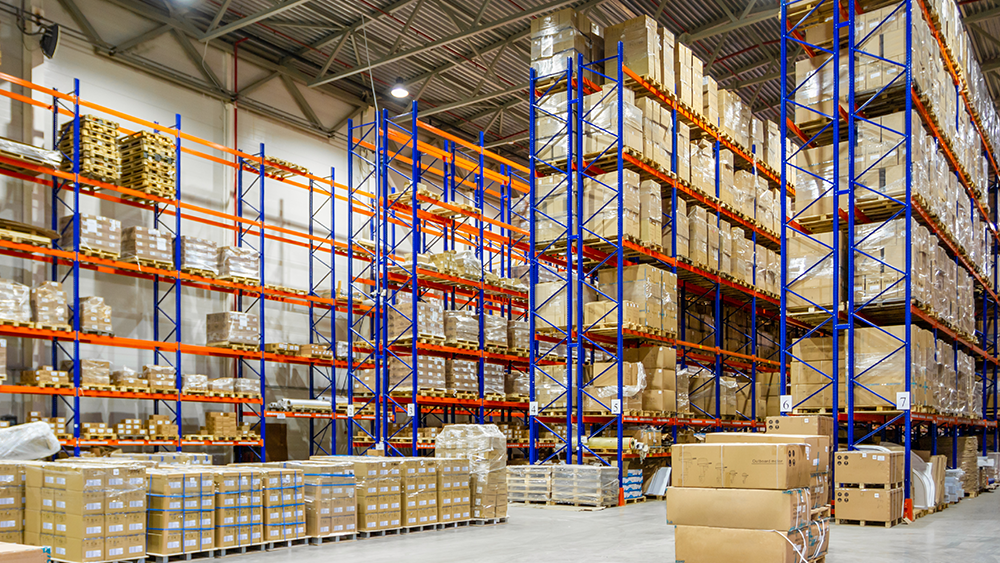
In the high-speed world of logistics and distribution, the humble pallet rack is the backbone of the entire operation. It allows for the vertical storage of massive amounts of inventory, maximizing square footage and keeping supply chains moving. However, because these steel structures are so common, they are often taken for granted. A single pallet rack can hold thousands of pounds of static weight, and when multiple units are stacked high, they represent a significant concentration of potential energy. If that energy is released due to a structural failure or a forklift collision, the results can be catastrophic. Ensuring warehouse safety is not just about compliance with government regulations; it is about creating a culture of vigilance where every component of the storage system is respected and maintained according to high engineering standards.
The Critical Importance of Professional Installation and Layout
Safety begins long before the first pallet is ever placed on a beam. The integrity of a racking system depends heavily on how it was originally designed and installed. Every warehouse environment is different, and factors such as floor slab thickness, soil stability, and even seismic activity in the region must be considered during the planning phase. Professional installers ensure that the racks are perfectly plumb and level, which is vital for the even distribution of weight. A rack that leans even a few degrees can put uneven stress on the uprights, significantly reducing its weight-bearing capacity.
Furthermore, the layout of the racking must account for the specific material handling equipment being used. Aisle widths must be sufficient to allow forklifts to maneuver without the constant risk of clipping an upright. Safety standards often dictate the use of floor-mounted guards or column protectors at the ends of aisles and at high-traffic intersections. These simple steel barriers serve as a first line of defense, absorbing the impact of a vehicle and preventing that energy from being transferred to the structural frame of the rack itself.
Understanding and Adhering to Load Capacities
One of the most dangerous mistakes a warehouse manager can make is exceeding the rated load capacity of a racking system. Every beam and upright is engineered to support a specific maximum weight, and these limits are not suggestions. Safety standards require that load plaques be clearly displayed at the end of every racking row. These plaques must detail the maximum pallet weight, the maximum load per bay, and the specific configuration for which the rack was designed.
It is a common misconception that if a beam is not bending, it is safe. In reality, structural fatigue can occur long before a visible deflection appears. Additionally, the configuration of the levels matters immensely. If a warehouse team decides to remove a lower level of beams to accommodate taller warehouse pallet racking without consulting the original manufacturer, they are fundamentally changing the stability of the entire row. Lowering or removing beams increases the unsupported length of the uprights, which can lead to a sudden collapse even if the pallets themselves are within weight limits. Constant training for floor staff on how to read and respect these load signs is a non-negotiable part of a safe operation.
The Rigor of Regular Inspections and Maintenance
Pallet racks live in a harsh environment. They are constantly subjected to the vibrations of nearby machinery, the shifting of heavy loads, and the occasional “nudge” from a forklift. Because of this, regular inspections are a cornerstone of warehouse safety standards. Most protocols suggest a multi-tiered approach: a daily visual walk-through by floor supervisors, a monthly internal audit, and a comprehensive annual inspection performed by a qualified third-party professional.
During these inspections, the focus is on identifying any signs of trauma or wear. This includes looking for dented uprights, sheared floor bolts, missing safety clips on beams, and cracked welds. Even a minor dent in a vertical column can reduce its strength by a significant percentage. When damage is found, safety standards are very clear: the affected bays must be immediately unloaded and cordoned off until repairs can be made or the damaged components replaced. Ignoring a “small” dent is often the precursor to a multi-row collapse that endangers lives and destroys inventory.
Conclusion
Following pallet racking safety standards is an ongoing commitment rather than a one-time task. From the precision of the initial installation to the daily discipline of load management and inspections, every step is vital in preventing structural failures. By treating these steel structures with the respect their capacity demands, warehouse operators protect their most valuable assets: their people. A secure racking system is the foundation of a reliable supply chain, and staying compliant with safety standards is the best way to ensure that foundation never falters.