Printing Plastic Cards for Professional and Durable Branding
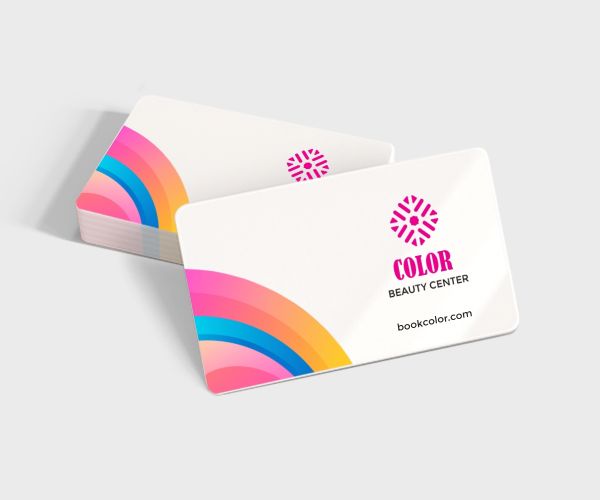
A paper business card gets bent, soaked, and forgotten. A plastic card is kept. The difference in how people receive and hold onto your contact information comes down to the material in their hands. Plastic cards feel premium, survive daily wear, and communicate something about your brand before a word is spoken. If you are printing business cards, loyalty cards, membership cards, or ID cards, getting the material, design, and printing method right determines how long the card will continue to work for your brand.
Why Plastic Cards Work Better for Branding
Plastic cards outperform paper on every practical measure that matters for professional branding. Paper cards tear, absorb moisture, and fade quickly. Plastic cards are waterproof, tear-proof, and retain their print quality through months of daily handling. In addition, the physical weight and rigidity of a plastic card create a perception of quality that paper simply cannot match. When someone pulls your card out of their wallet weeks later, and it still looks sharp, that is your brand still doing its job.
Here is what makes plastic cards a stronger branding investment:
- Longevity reduces the need for frequent reprints, saving money over time
- Waterproof and tear-proof construction handles daily handling without deteriorating
- Premium feel increases the perceived value of the business behind the card
- Consistent appearance is maintained through extended use, unlike paper alternatives
- Compatibility with magnetic stripes, QR codes, and chip encoding for added function
Key Materials for Durability
The material and thickness of a plastic card affect performance and longevity. CR80 standard thickness at 0.76mm or 30 mil balances rigidity and flexibility for everyday use. Thinner 20 mil cards are lighter and cheaper but less durable. Pre-coated card stocks cost slightly more yet deliver better ink adhesion and sharper print results. Eco-friendly, recyclable PVC variants are widely available and suit businesses looking to reduce environmental impact without sacrificing quality.
Professional Design Principles
A well-printed card with poor design still underperforms. Getting the design right is as important as the material and print method.
Layout and Typography
Your logo should be the most prominent element on the card. Keep fonts clean and use high-contrast sans-serif typefaces that remain readable at small sizes. Limit the color palette to two or three brand colors to avoid a cluttered appearance. White space is not wasted space. It makes the card easier to read and gives the design a more considered, professional feel.
Technical Setup
Here is what the design file needs to include before sending to print:
- Set all files to CMYK color mode to ensure accurate print color reproduction
- Work at 300 DPI minimum to avoid pixelation on the finished card
- Include a 3mm bleed around all edges to prevent white borders after trimming
- Keep all text and key design elements inside the safe zone at least 3mm from the card edge
- Use vector files for logos to maintain sharpness at any scale
Printing Techniques for Durability
The printing method determines how well the card holds up over time and how sharp the finished result looks.
Comparing the Main Methods
Here is a direct comparison of the three main plastic card printing techniques:
| Technique | Print Quality | Durability | Best For |
| Digital or offset with heat lamination | Excellent | Excellent | Bulk professional branding |
| Retransfer printing | Very good | Very good | Edge-to-edge premium cards |
| Dye-sublimation | Good | Moderate | Small runs and ID cards |
Why Heat Lamination Matters
Digital or offset printing followed by heat lamination is the most reliable method for professional branding cards. The lamination process seals the printed layer inside a protective film that resists scratches, fading, and moisture. In addition, laminated cards feel noticeably more substantial in the hand, which reinforces the premium impression the card is intended to create.
Retransfer printing applies ink to a film that is then bonded to the card surface, producing true edge-to-edge coverage with no white borders. This method suits premium card runs where visual consistency and full-bleed design are priorities.
The Printing Process Step by Step
Following the right process from design to delivery prevents costly reprints and ensures the finished card matches expectations.
Here is the standard process from start to delivery:
- Create the design in Canva, Adobe Illustrator, or a similar tool at 300 DPI in CMYK mode
- Set up the file with correct bleed, safe zones, and trim marks before exporting
- Select a supplier that offers the card material, thickness, and finish you require
- Confirm lamination options and finishing features like foil or embossing before ordering
- Request a digital or physical proof before approving the full print run
- Allow 7 to 10 business days for standard production and factor in delivery time
Cost and Supplier Tips
Plastic card printing costs vary based on quantity, material, finishing, and supplier location.
Custom plastic business cards typically cost between $0.20 and $1.00 per card. Bulk orders of 500 or more reduce the per-unit cost significantly, making larger runs the more cost-effective option for established businesses. For small runs, digital printing saves money compared to offset. Always factor finishing costs like lamination, foil, and embossing into the total budget from the start rather than adding them later.
Request samples from any new supplier before committing to a full order. Sample quality tells you exactly what to expect from the finished run and avoids expensive surprises after production is complete.
Takeaway
Plastic cards are not just a practical tool. They are a physical extension of your brand that people carry, share, and keep. Getting the material, design, and print method right means your card keeps representing your business long after the handshake is over.
Duracard produces professional plastic cards built to the standards that serious branding demands. Every card is printed with precision, finished for durability, and delivered ready to represent your business at its best. From standard PVC business cards to specialty foil-finished premium runs, the team at Duracard handles the full process so you get a card that looks sharp, lasts long, and makes the impression you need it to make.