How Sim Racing Improves Driving Skills and Reaction Times
Sim racing places drivers in fast-changing situations where every decision matters. Sharp corners, sudden changes, and constant visual cues train the brain to react quickly and stay focused. With repeated practice, drivers build quicker response times, steadier control, and stronger awareness—skills that support safer, more confident driving beyond the screen.
Sim racing has steadily shifted from entertainment to skill-based training. Today, it is widely recognised as a structured way to practise core driving skills in a controlled environment. The value lies in repetition, realism, and focus rather than competition or speed.
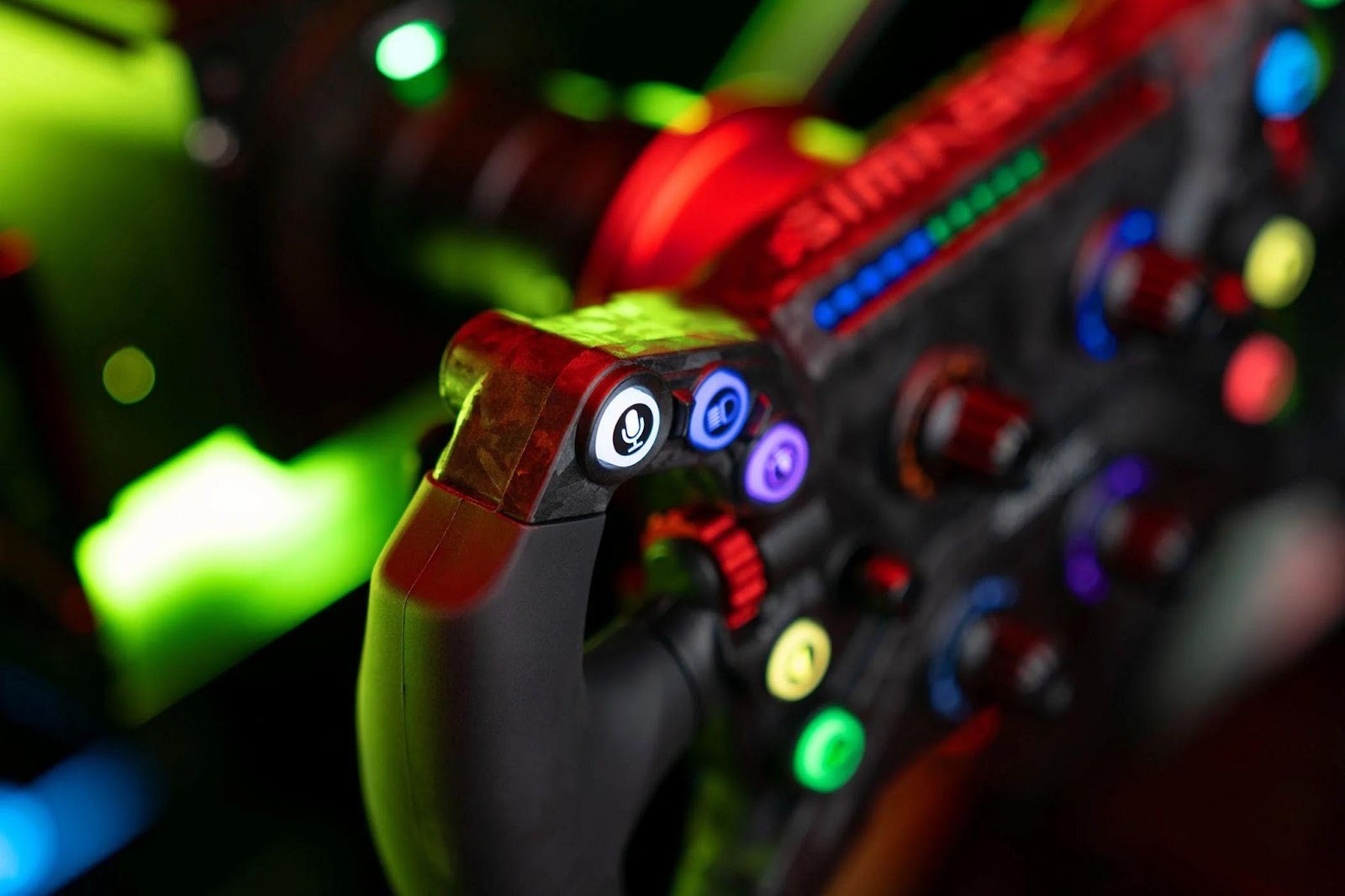
Modern sim racing setups emphasise accurate steering feedback and precise control. Equipment such as the Simagic GT NEO supports this realism by encouraging measured inputs instead of exaggerated movements. This approach helps drivers develop habits that translate into smoother, more confident control in everyday driving situations.
Why Reaction Time Is Central to Good Driving
Reaction time refers to how quickly a driver notices a change and responds appropriately. Even small delays can affect outcomes, particularly in unpredictable situations.
Sim racing improves reaction time by placing drivers in repeated scenarios where visual information must be processed quickly and converted into action. Over time, the brain becomes more efficient at recognising patterns and responding without hesitation. Instead of rushing, reactions become controlled and deliberate.
Hand–Eye Coordination and Steering Control
Effective driving depends on a strong connection between vision and movement. Sim racing strengthens this connection by requiring precise steering, braking, and acceleration inputs.
Unlike casual games, sim racing rewards smoothness. Drivers learn to make smaller, more accurate corrections rather than sudden movements. This builds muscle memory, allowing responses to feel natural rather than forced. As coordination improves, control becomes steadier and more predictable.
Developing Focus and Situational Awareness
Driving safely requires constant awareness of surroundings. Sim racing reinforces this by demanding attention to multiple elements at once, such as position, speed changes, and environmental cues.
With regular practice, drivers develop the habit of scanning ahead rather than reacting late. Awareness improves gradually, helping drivers anticipate changes instead of responding under pressure. This ability to stay mentally engaged for longer periods supports clearer judgement and better decision-making.
Learning Control Without Physical Risk
One of sim racing’s greatest strengths is the ability to practise without consequences. Mistakes do not result in damage or danger, which encourages experimentation and learning.
Drivers can explore braking techniques, steering corrections, and speed control freely. Each error becomes useful feedback rather than a setback. This risk-free repetition accelerates learning and builds confidence through understanding rather than fear.
Why Realistic Feedback Makes a Difference
The effectiveness of sim racing depends heavily on realism. Accurate steering resistance and feedback allow drivers to sense control limits intuitively.
In a well-balanced setup, equipment like the Simagic GT NEO provides consistent steering feedback that mirrors real driving forces. This helps drivers understand directional changes and resistance through feel rather than visual cues alone. As a result, inputs become more precise and controlled.
Mental Control and Decision-Making Under Pressure
Driving is as much a mental task as a physical one. Sim racing places drivers under time pressure while requiring calm, accurate decisions.
Regular sessions help drivers remain composed after mistakes, avoid impulsive reactions, and focus on corrective action. Over time, this builds mental discipline. Drivers often notice improved emotional control and reduced stress when facing demanding situations.
How Reaction Times Improve Through Simulation
Reaction time improvements in sim racing come from structured exposure rather than raw speed. Drivers repeatedly practise recognising visual signals, choosing the right response, and executing precise movements.
As these patterns become familiar, neural pathways strengthen. Responses feel quicker, smoother, and more confident. These improvements support better control and timing in a wide range of driving situations.
Practical Ways to Benefit From Sim Racing
To gain meaningful improvements, sim racing should be approached with intention.
Focus on accuracy rather than competition. Keep sessions consistent but not excessive. Review mistakes calmly and prioritise smooth control over aggressive inputs. These simple habits ensure that practice leads to steady, measurable progress.
Clearing Up Common Misconceptions
Sim racing is sometimes mistaken for encouraging reckless behaviour. In reality, realistic simulations reward discipline, patience, and consistency.
Well-designed sim racing environments emphasise precision over speed and awareness over shortcuts. When used responsibly, sim racing reinforces controlled driving habits rather than unsafe ones.
Skill Transfer Without Risky Imitation
Sim racing does not encourage racing behaviour on public roads. Instead, it strengthens foundational abilities such as reaction timing, coordination, focus, and decision-making.
These skills apply broadly across driving situations without promoting risk-taking. The transfer happens through improved awareness and control, not imitation.
Wrapping Up
Sim racing offers a structured, low-risk way to practise reaction time, awareness, and coordination. Through repetition and realistic feedback, drivers develop steadier responses and greater confidence.
When supported by responsive equipment such as the Simagic GT NEO, sim racing becomes a practical training tool rather than simple entertainment. Used thoughtfully, it helps drivers build smoother control, faster reactions, and more confident decision-making over time.