How Biodentistry Global Standard Training Helps Dentists Expand Their Clinical Skills
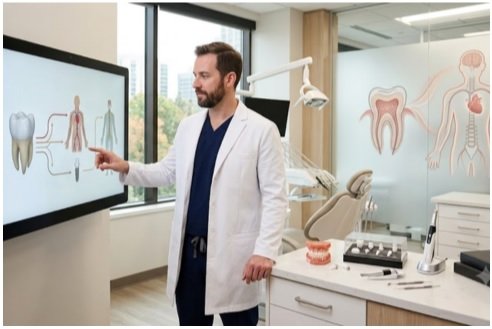
Dentistry continues to evolve as new research, technologies, and treatment approaches become available. Dentists today may want to expand their knowledge beyond routine procedures and understand how different factors can influence oral health and patient care. This is where specialized education can be useful.
Biodentistry global standard training is designed to introduce dental professionals to the principles and clinical concepts associated with biological dentistry. The training can help dentists explore areas such as patient biology, biocompatible materials, ceramic implants, biological treatment approaches, and the connection between oral and whole-body health.
What Is Biodentistry Global Standard Training?
Biodentistry global standard training refers to professional education based on the Biodentistry Global Standard (BGS) approach. It provides dentists with structured learning in biological dentistry and related clinical concepts.
Rather than focusing only on individual dental procedures, the approach considers the patient’s biological factors when planning dental care. Dentists can learn how factors such as materials, inflammation, healing, nutrition, and overall health may be relevant when assessing patients.
The goal of this type of training is not to replace conventional dental knowledge. Instead, it can provide additional concepts that dentists may consider when developing patient-centered treatment plans.
Expanding Knowledge of Patient Biology
One important area of biodentistry global standard training is understanding patient biology.
Patients can respond differently to dental procedures and materials. Their medical history, lifestyle, nutrition, oral condition, and healing capacity may all be relevant to clinical decision-making.
Training in biological dentistry can encourage dentists to look beyond the immediate dental problem. For example, instead of considering only a damaged tooth, a dentist may also consider factors that could affect healing, inflammation, or the patient’s overall treatment experience.
This broader perspective can help dentists develop a more comprehensive approach to patient assessment.
Learning About Biocompatible Materials
Dental materials are an important part of modern clinical practice. Dentists work with materials used for restorations, implants, crowns, and other treatments.
Biodentistry training introduces dentists to the concept of biocompatibility and encourages them to consider how materials interact with the patient’s biological environment.
This may include learning about ceramic and other metal-free options used in dentistry. Understanding the characteristics, applications, and limitations of different materials can help dentists have more informed discussions with patients.
The training does not simply focus on choosing one material for every patient. Instead, it can help dentists understand why material selection should be considered in relation to the individual clinical situation.
Developing Knowledge of Ceramic Implants
Implant dentistry is another area where specialized training can expand clinical knowledge.
It can introduce dentists to biological concepts related to ceramic implants and metal-free implant dentistry. Dentists can learn about the properties and clinical considerations associated with ceramic implant systems.
This knowledge can be useful for dentists who want to understand additional options when discussing implant treatment with suitable patients.
As with any dental treatment, implant selection requires professional assessment. Training can provide additional knowledge, while clinical decisions should continue to be based on the patient’s condition, appropriate evidence, and the dentist’s professional judgment.
Understanding the Oral-Systemic Connection
The mouth does not function separately from the rest of the body. Oral health and general health can interact in several ways.
Biological dentistry education places greater emphasis on understanding this relationship. Dentists can explore topics related to inflammation, oral microbiology, nutrition, immune responses, and other biological factors that may be relevant to patient health.
This broader perspective can help dental professionals ask more relevant questions during patient assessment and communicate more effectively with patients about factors that may affect oral health.
It can also encourage collaboration with other healthcare professionals when a patient’s needs extend beyond routine dental care.
Strengthening Treatment Planning Skills
Good treatment planning requires dentists to consider multiple factors before recommending a procedure.
It can help dentists develop a structured way of thinking about biological factors during treatment planning. Instead of focusing only on the technical steps of a procedure, dentists can consider the patient’s individual needs, materials, healing factors, and long-term goals.
This can support a more individualized approach to care.
For example, when planning restorative or implant treatment, a dentist may evaluate the patient’s oral condition, medical background, material options, expected healing, and maintenance requirements together.
Improving Patient Communication
Clinical skills are not limited to technical procedures. Communication is also an important part of dental practice.
Patients may have questions about dental materials, implants, treatment options, and how oral health relates to general health. Additional training can give dentists a stronger knowledge base for discussing these subjects.
When dentists can explain complex concepts in clear language, patients may find it easier to understand their treatment options and participate in decisions about their care.
Supporting Continued Professional Development
Dentistry is a field that requires ongoing learning. New materials, technologies, research findings, and clinical approaches continue to emerge.
Specialized training in biological dentistry can therefore form part of a dentist’s continuing professional development. It can help professionals explore an area of dentistry that may not have been covered extensively in their earlier education.
It can be particularly relevant for dentists who want to expand their understanding of biological principles, advanced materials, patient assessment, and whole-body considerations.
Conclusion
Biodentistry Global Standard Training can give dentists an opportunity to broaden their clinical knowledge beyond conventional dental procedures. Its areas of focus can include patient biology, biocompatible materials, ceramic implants, oral-systemic connections, treatment planning, and patient communication.
For dentists interested in exploring biological dentistry, structured training can provide a foundation for understanding these concepts and considering how they may fit into clinical practice. The knowledge gained through professional education can complement existing dental skills and support continued learning throughout a dentist’s career.