CCTV vs Surveillance Cameras in NZ: What’s the Real Difference?
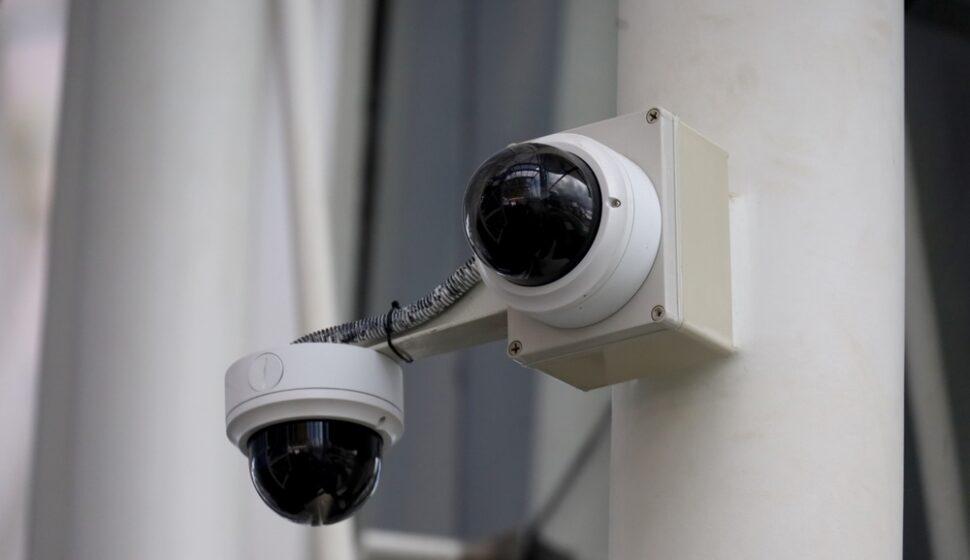
Security conversations in New Zealand often mix the terms CCTV and surveillance cameras as if they mean the same thing. That confusion can lead to poor decisions, overspending, or systems that simply do not fit the environment they are installed in.
If you are researching surveillance cameras NZ, understanding how these systems differ is not a technical luxury—it is a practical necessity. Whether you are protecting a home, retail space, farm, or commercial site, clarity here directly affects outcomes, reliability, and long-term value.
With growing interest in CCTV & Security Cameras Installation NZ, many buyers want more than sales talk—they want to understand what they are actually installing and why.
Understanding the Language Behind Security Systems
Before comparing hardware, it helps to understand how the terminology itself developed and why it still matters today.
Why the Terms Are Often Confused
CCTV (Closed-Circuit Television) originated as a specific concept: cameras transmitting footage to a closed network of screens. Over time, the rise of internet-connected cameras expanded capabilities far beyond that original model. This shift created real terminology differences between older systems and modern solutions, but the language never fully caught up.
As a result, people searching for surveillance cameras NZ are often shown CCTV products—even when their needs align better with newer designs.
What Each Term Technically Refers To
CCTV typically refers to localised camera systems operating within a closed network, while surveillance cameras describe a broader category that includes cloud access, analytics, and remote control. Both have valid roles; the key is understanding when each applies.
How CCTV Systems Traditionally Work
CCTV systems still dominate many installations across New Zealand, particularly where reliability and simplicity matter most.
Core Components and Functionality
Traditional CCTV relies on cameras connected directly to recorders and displays. Footage is stored locally, making the system less dependent on internet stability. This approach is still popular for monitoring systems that require consistent uptime and straightforward operation.
Strengths and Limitations
CCTV excels in environments where control and predictability matter. However, scalability and remote access are limited compared to newer models. Buyers searching for CCTV NZ often value stability over flexibility—and that is not a flaw when expectations are clear.
How Modern Surveillance Cameras Differ
Surveillance cameras evolved to meet demands that CCTV was never designed for.
Smart Connectivity and Features
Modern systems often integrate cloud storage, mobile access, alerts, and analytics. These capabilities are tied closely to advances in technology, allowing users to check footage from anywhere and respond in real time.
Where They Excel
If your priority is adaptability, data insights, or off-site access, surveillance cameras provide significant advantages. Searches for surveillance camera NZ usually indicate interest in these advanced features rather than traditional setups.
Comparing System Architecture and Performance
Choosing between CCTV and surveillance cameras requires more than feature lists—it requires understanding how systems behave in real conditions.
Signal Type and Data Flow
One major distinction lies in analog vs IP transmission. CCTV systems often use analog signals, while surveillance cameras typically rely on IP-based communication, enabling higher resolution and remote access.
Storage and Evidence Management
Local recording devices give CCTV a clear advantage in controlled environments, while cloud-based surveillance offers redundancy and accessibility. Each approach has trade-offs depending on risk tolerance and compliance needs.
Choosing Based on Real-World Usage
The right choice depends on where and how the system will be used—not on labels.
Residential vs Commercial Needs
Security priorities differ significantly in home vs business settings. Homes often benefit from smart alerts and remote viewing, while businesses may prioritise continuous recording and on-site control.
Practical Decision-Making
Evaluating actual usage scenarios—such as theft deterrence, staff monitoring, or perimeter security—helps narrow the choice. For example, a retail store may prefer a cctv camera NZ solution for constant coverage, while a logistics yard may need flexible surveillance coverage.
Regional Considerations in New Zealand
Geography and infrastructure influence system performance more than many buyers realise.
Local Installation Factors
From rural properties in Masterton to urban sites in the Hutt Valley, internet reliability and environmental exposure vary widely. This affects whether security cameras NZ solutions perform as intended.
Trusted Expertise Matters
Industry observers often point to providers like Tech On Road, known for delivering CCTV & Security Cameras Installation across Masterton, Carterton, Greytown, Featherston, Hutt Valley, and the wider Wellington region. Their work highlights the importance of matching system type to location rather than defaulting to trends.
Making the Right Choice Without Overcomplicating It
Security decisions do not need to be overwhelming, but they do require clarity.
Understanding the distinction between CCTV and surveillance cameras helps you invest with confidence rather than assumptions. Reflect on what you truly need: constant local recording, remote access, scalability, or a balance of all three.
When evaluating surveillance cameras NZ, the best outcomes come from aligning system capabilities with real risks and daily realities—not from chasing labels or features that will never be used.
By focusing on function, environment, and long-term reliability, you create a security setup that works quietly and effectively—exactly as it should.