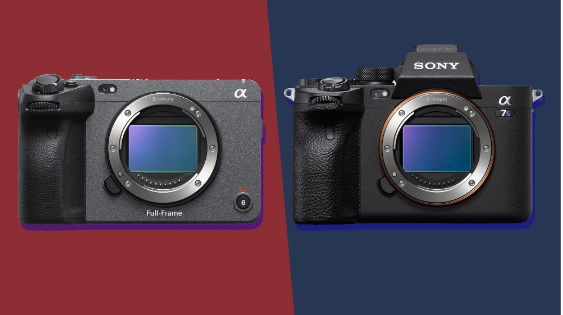
How to Choose a Professional Camera for Better Photography Results
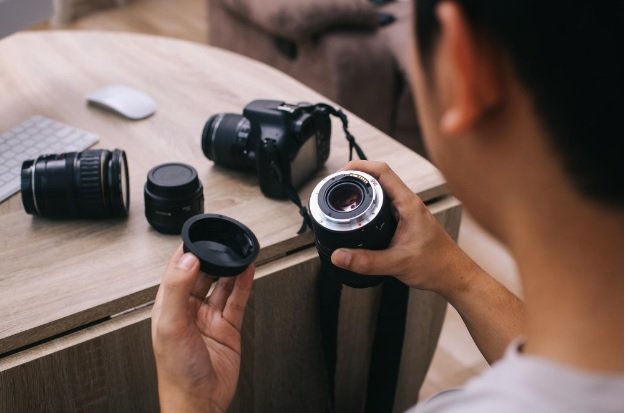
A great photograph begins with the right equipment. Choosing a camera can feel challenging with so many features, lens options, and designs available. The right choice should match your photography style, comfort, and creative goals.
Understanding what makes a professional camera suitable for different photography needs can make the buying process much easier. Portraits, landscapes, travel scenes, events, and creative projects can all require different capabilities. By looking at sensor size, lens compatibility, autofocus, handling, and workflow needs, photographers can narrow their choices and build a setup that supports better results.
Start With Your Photography Needs
Before comparing camera specifications, think about what you want to photograph. A person shooting portraits may value lens choices and depth control. A travel photographer may prefer a lighter setup. Someone interested in landscapes may focus on detail, dynamic range, and lens compatibility. Event photographers may need dependable autofocus and comfortable controls.
Your shooting style should guide the decision. A professional camera should support the way you actually work rather than add features that you may rarely use. Consider where you shoot, how often you carry the equipment, and whether you need interchangeable lenses. These simple questions can narrow the choices quickly.
Understand the Features That Affect Results
Camera specifications can look complicated at first. Breaking them into practical areas makes comparison easier. When choosing a professional camera, focus on features that support your photography style and shooting needs. Understanding how each feature affects image quality, handling, and flexibility can help you make a more confident choice.
- Sensor Size
Sensor size can influence image quality, low-light performance, depth of field, and the overall size of the camera system. Larger sensors can provide useful control over background separation and image detail, but they may also require larger bodies or lenses. Consider how much portability matters alongside image quality.
- Lens Compatibility
A camera body is only part of the photography system. The available lenses can affect focal length, perspective, aperture, and creative options. Check which lenses work with the camera and whether they suit your main subjects. A strong lens selection can give a photographer more flexibility over time.
- Autofocus Performance
Fast and reliable focusing can be important when subjects move. Look at how the camera handles different subjects and lighting conditions. Portrait, street, sports, and event photography can all place different demands on autofocus. Easy-to-use focus controls can also reduce distractions while shooting.
- Manual Controls
Photographers often need direct control over shutter speed, aperture, ISO, and focus. Physical dials or buttons can make these adjustments easier during a shoot. When evaluating a camera, consider whether the controls feel logical and comfortable. Good handling can help you react quickly without constantly searching through menus.
- Body Design and Handling
A camera may have excellent specifications but still feel uncomfortable in your hands. Weight, grip shape, button placement, viewfinder position, and overall balance can affect long shooting sessions. If possible, hold the camera before buying. Comfort is not a minor detail when equipment is used regularly.
- Viewfinder and Display
The way you compose a photograph can influence your shooting experience. A clear viewfinder can help when working in bright outdoor conditions, while a useful rear display can make low-angle or close compositions easier. Consider which method fits your shooting habits and whether you need both.
Think About Your Workflow Before Buying
Photography does not end when you capture an image. The camera should also fit the way you store, review, transfer, and edit photographs. Think about file formats, memory requirements, battery use, and how easily you can move images into your editing workflow.
Your working environment matters too. This balance also helps avoid paying for functions that do not improve your usual work. A clear buying plan keeps the decision practical and makes it easier to build a camera system that remains useful as your photography develops steadily over time.
A photographer who travels frequently may value a manageable kit. Someone working mainly in a studio may give greater importance to controls, lens options, and system flexibility. The goal is to create a setup that supports the entire process, not only the moment of capture.
Before making a decision, compare these factors:
- Intended photography subjects
- Lens availability and compatibility
- Camera weight and handling
- Sensor and image quality needs
- Autofocus and control preferences
- File storage and workflow requirements
Consider Long-Term Value
A camera purchase can become part of a larger system. Think beyond the camera body and consider the cost and usefulness of lenses, batteries, memory cards, cases, straps, and other accessories. A camera that meets your current needs but limits future growth may not be the most practical choice.
Support can also matter throughout the life of the equipment. Access to product advice, maintenance, repair, spare parts, and after-sales assistance can make ownership easier. Choosing equipment with reliable support can also help photographers maintain their gear and continue using it confidently for years.
Make the Final Choice With Confidence
Once you understand your needs, compare a short list instead of looking at every available model. Read the specifications carefully, but give equal attention to handling and system compatibility. If possible, speak with an experienced product specialist and try the camera in person.
A thoughtful choice can help you spend on features that genuinely support your photography. The right setup should feel natural in your hands and leave you focused on the subject rather than the equipment. It should also give you enough flexibility to develop your skills and explore new styles.
Conclusion
Choosing the right camera is about matching technology with purpose. Consider your subjects, lenses, controls, handling, workflow, and long-term support before making a purchase. A compact camera can suit photographers who value portability, while other systems may be better for users who need greater flexibility.
For photographers exploring premium imaging equipment and specialist guidance, Leica UAE provides cameras, lenses, accessories, expert consultation, and dedicated customer care. Its approach combines product knowledge and technical expertise with after-sales support, helping photographers make informed equipment choices and feel more confident in their ownership experience.