Supporting Skin Renewal Without an Aggressive Downtime Cycle
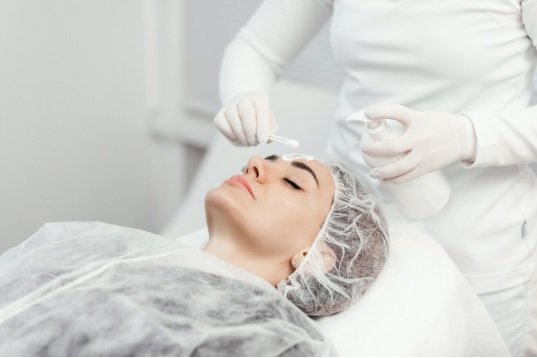
Many people want brighter, smoother skin but cannot accept a week of obvious peeling or a cycle of redness that disrupts work and social plans. That does not mean the only alternative is to do nothing. A lower-intensity renewal programme may focus on steady support, careful timing and a home routine that does not constantly push the skin into irritation.
The term biological peel is used in different ways, so the first question should be what a clinic actually means by it. Formulas may rely on enzymes or other exfoliating ingredients intended to loosen surface build-up. Strength and suitability vary. A practitioner should explain the product, how it works, who should avoid it and what evidence supports the claims being made.
Assessment is especially important for people who describe their skin as sensitive. Redness can arise from a damaged barrier, dermatitis, rosacea, active acne, sun exposure or a reaction to products. These concerns do not all respond to exfoliation. If the skin is inflamed, infected or medically uncertain, cosmetic treatment may need to wait while a GP or dermatologist provides advice.
A gentle treatment plan often begins by reducing competing irritation. Using several acids, retinoids, scrubs and strong cleansers can create a rough texture that looks like a need for more exfoliation. In reality, the surface may need fewer active products and better barrier support. A short period of routine simplification can reveal whether congestion and dullness improve before any procedure is added.
During a biological peel, comfort should be monitored rather than assumed. Mild tingling may occur with some formulations, but strong burning, rapidly increasing pain or marked swelling should prompt action. The practitioner should have a clear removal process and be able to explain how the skin is calmed afterwards. A treatment is not more effective merely because it feels intense.
Downtime is best understood as a range, not a promise. Some people may notice temporary pinkness, tightness, dryness or light flaking. Others may see almost no visible change. Weather, skin condition, product strength and aftercare can all affect the response. An important event is not the ideal time to test an unfamiliar treatment, even when it is described as gentle.
Aftercare usually rewards simplicity. The client may be advised to use a mild cleanser, suitable moisturiser and broad-spectrum sun protection while pausing selected active products. Picking or scrubbing can create uneven irritation. Exercise, heat, swimming or make-up advice should come from the treating professional because recommendations can vary with the formulation and the individual response.
This type of treatment may fit into a wider plan that includes daily sun protection, consistent cleansing and treatment of specific concerns. Progress can be assessed through comfort, texture and tolerance rather than dramatic before-and-after contrast. If repeated sessions are proposed, the clinic should explain the interval, review criteria and point at which the plan would be changed.
Gentler renewal does not mean risk-free renewal. People should ask who performs the treatment, what training they have, how contraindications are checked and what support is available after the appointment. They should also be wary of claims that a peel detoxifies the skin, cures acne or suits everyone.
Season and scheduling can influence tolerance. Recently tanned skin, a planned beach holiday or frequent outdoor work may make sun avoidance difficult. A practitioner may recommend postponing treatment rather than relying on perfect aftercare. It is also useful to discuss previous peels, laser procedures and prescription skin products, because the combined effect can be stronger than expected.
For well-selected skin, a biological peel can be one measured step towards a fresher surface without deliberately creating an aggressive recovery cycle. Its value depends on accurate assessment and sensible expectations. The strongest plan protects the barrier, introduces change gradually and stops when the skin is signalling that it has had enough.