What Factors Affect the Cost of Home Remodeling in Santa Barbara?
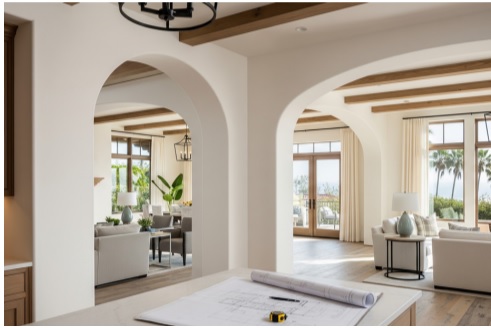
Home remodeling in Santa Barbara, California, comes with unique cost considerations compared to many other cities in the U.S. The region is known for its coastal climate, Spanish-style architecture, hillside properties, and strict building regulations. Because of this, remodeling costs can vary significantly depending on the home’s location, age, design goals, and scope of work.
Whether you’re renovating a historic Riviera District home, upgrading a beachside property in Montecito, or modernizing a downtown Santa Barbara bungalow, understanding what drives remodeling costs is essential for planning a realistic budget.
1. Scope of the Remodeling Project
The size and complexity of your project is the biggest cost driver of home remodeling in Santa Barbara. Homeowners often choose between cosmetic updates and full-scale remodels that transform entire homes.
Typical project types include:
- Minor cosmetic upgrades (paint, fixtures, lighting)
- Kitchen or bathroom remodels
- Whole-home renovations
- Large-scale additions or structural changes
A kitchen remodel in a Mesa neighborhood home will cost significantly less than a full Montecito estate renovation involving structural redesign and luxury finishes. The broader the scope, the higher the labor, materials, permitting, and design costs.
2. Neighborhood and Property Location
In Santa Barbara, the location within the city can strongly influence remodeling costs. Homes in high-value areas such as Montecito, Hope Ranch, or Riviera often require higher-end finishes and more detailed architectural standards.
Location impacts cost through:
- HOA or design review requirements in certain communities
- Accessibility for construction vehicles (narrow streets in hillside areas)
- Expectations for luxury-grade materials in upscale neighborhoods
- Coastal zoning restrictions in beachside areas like Mesa or East Beach
Simply put, remodeling a home near the coastline or in a luxury enclave often involves stricter requirements and higher-quality finishes.
3. Age and Condition of Santa Barbara Homes
Santa Barbara has a large number of older Spanish Revival, Craftsman, and mid-century homes. These properties often come with hidden issues that can increase renovation costs.
Common issues include:
- Outdated plumbing and electrical systems
- Foundation settling in hillside homes
- Termite or moisture damage in older wooden structures
- Asbestos or lead-based materials in pre-1980 homes
Homes in historic districts like Downtown Santa Barbara or the Riviera may also require preservation-sensitive upgrades, which add to both time and cost.
4. Design Complexity and Architectural Style
Santa Barbara is famous for its Spanish Colonial and Mediterranean-style architecture, which often requires specialized craftsmanship to maintain authenticity.
Costs increase when homeowners choose:
- Custom tilework and handcrafted finishes
- Arched doorways and detailed stucco work
- Indoor-outdoor living designs with large glass openings
- Architectural restoration in historic homes
A simple modern remodel in Goleta may cost far less than a historically accurate Spanish-style renovation in the Riviera area due to the craftsmanship required.
5. Material Selection and Coastal Durability
Because Santa Barbara is a coastal city, material selection plays a major role in remodeling costs. Homes near the ocean must use materials that resist salt air, humidity, and sun exposure.
Material cost factors include:
- Quartz, marble, or natural stone countertops
- Weather-resistant exterior stucco and paint
- High-end hardwood or tile flooring
- Custom cabinetry for luxury homes
- Salt-resistant fixtures and finishes
For example, homes in the Mesa or Shoreline Drive area often require more durable and weather-resistant materials compared to inland neighborhoods.
6. Labor Costs in Santa Barbara County
Labor is typically more expensive in Santa Barbara compared to many other regions in California due to high demand and skilled craftsmanship requirements.
You may need:
- General contractors experienced in local building codes
- Licensed electricians and plumbers
- Designers familiar with coastal architecture
- Specialists for historic home restoration
Contractors working in Santa Barbara must also understand city-specific requirements, which increases their expertise—and often their rates.
7. Permits and Santa Barbara Building Regulations
Santa Barbara has some of the strictest building codes in California, especially for structural changes, additions, and coastal properties.
Permit-related costs may include:
- City of Santa Barbara building permits
- Architectural review board approvals
- Coastal development permits (for ocean-adjacent properties)
- Engineering and structural approvals
- Historic preservation compliance (for designated homes)
Homes in areas like Downtown Santa Barbara or Montecito may require multiple layers of approval before construction begins, increasing both timeline and cost.
8. Structural Changes and Hillside Construction Challenges
Many Santa Barbara homes are built on hillsides or uneven terrain, especially in areas like the Riviera and San Roque. This adds complexity to remodeling projects.
Structural cost drivers include:
- Retaining walls and foundation reinforcement
- Earthquake safety upgrades (common in California)
- Difficult excavation and grading work
- Limited access for heavy equipment
Any change involving structural modification or hillside stabilization can significantly increase overall costs.
9. Site Accessibility and Coastal Constraints
Santa Barbara’s geography can create logistical challenges during construction. Narrow roads, limited parking, and coastal zoning rules often affect project efficiency.
Examples include:
- Tight access in downtown residential streets
- Restricted delivery routes in hillside neighborhoods
- Coastal construction restrictions near beaches
- Limited staging areas for materials
These challenges can increase labor time and transportation costs.
10. Project Timeline and Seasonal Factors
Remodeling timelines in Santa Barbara can be affected by permitting delays, contractor availability, and seasonal demand.
Cost increases may occur due to:
- Extended permit approval timelines
- High demand during peak construction seasons
- Weather delays during rainy months
- Material shortages or shipping delays
Longer timelines often result in higher labor and overhead costs.
11. Contractor Experience and Local Expertise
Hiring a contractor familiar with Santa Barbara’s neighborhoods, building codes, and architectural styles can influence pricing—but often improves project outcomes.
Experienced local contractors:
- Understand city permit processes
- Have relationships with inspectors and suppliers
- Know how to work with historic or coastal homes
- Can better manage complex design-build projects
While they may charge more upfront, they often reduce costly mistakes and delays.
12. Energy Efficiency and Sustainability Requirements
California building standards encourage energy-efficient upgrades, which are especially common in Santa Barbara remodeling projects.
Popular upgrades include:
- Solar panel readiness
- Energy-efficient windows for coastal heat
- Low-flow water fixtures
- Insulated roofing and walls
- Sustainable building materials
These features may increase initial costs but offer long-term savings and better compliance with state regulations.
Final Thoughts
Home remodeling costs in Santa Barbara are shaped by a unique combination of coastal location, architectural heritage, strict regulations, and high-quality design expectations. From Montecito luxury estates to historic downtown cottages, each project comes with its own set of challenges and cost drivers.
To create an accurate budget, homeowners should carefully evaluate their neighborhood, home condition, design goals, and permit requirements. Working with experienced local professionals who understand Santa Barbara’s building environment is one of the most effective ways to control costs and ensure a successful remodel.
A well-planned project not only enhances your home’s value but also preserves the distinctive character that makes Santa Barbara one of California’s most desirable places to live.