The Fastest Ways Traders Lose Money in CFD Trading
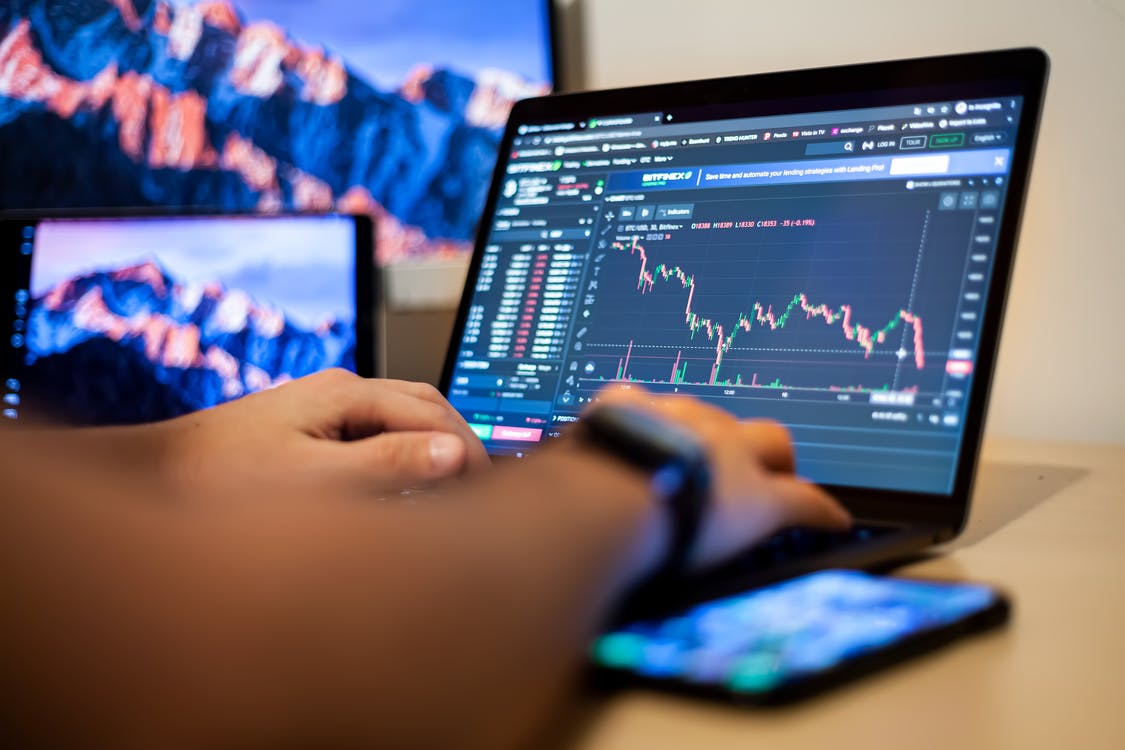
Most traders don’t lose money because of one dramatic mistake. It usually happens through a series of small decisions that seem harmless at the time. Nothing feels extreme while it’s happening, which is why it catches people off guard.
In CFD trading, losses can build quickly when a few habits start to repeat without being noticed. Once that pattern sets in, it becomes difficult to slow things down.
Taking Trades Without a Clear Reason
One of the quickest ways money disappears is by entering trades just because something is moving. The market is always active, so there is always something that looks like an opportunity.
But not every movement is meaningful.
When trades are taken without a clear reason, they become reactions rather than decisions. Sometimes they work, but over time, they create inconsistency. That inconsistency makes it harder to stay in control.
Using Too Much Leverage Too Early
Leverage is appealing because it allows larger positions with less capital. At the beginning, it can feel like a way to speed things up.
But that’s exactly the problem.
When leverage is too high, even small price movements can lead to noticeable losses. The market doesn’t need to do anything unusual for your account to be affected. It’s the size of the position that creates the impact.
In CFD Trading, using too much leverage early on often leads to losses that feel sudden, even though they are technically predictable.
Letting Losses Run Longer Than Planned
Another common pattern is not closing a losing trade when it should be closed.
At first, it’s just a small loss. You expect it to recover, so you give it more time. But as it moves further against you, that decision becomes harder to reverse.
What started as something manageable turns into something uncomfortable.
This is one of the fastest ways losses grow, not because the idea was completely wrong, but because the exit was delayed.
Trying to Recover Too Quickly
After a loss, there’s often a quiet urge to get back to where you were.
It doesn’t always feel emotional, but it changes how you approach the next trade. You might enter sooner than usual or increase your size slightly.
That shift is enough to reduce control.
Instead of making a fresh decision, you’re reacting to what just happened. In CFD Trading, this often leads to a second loss, sometimes larger than the first.
Trading Too Often
Being active can feel productive, but it comes at a cost.
When you take too many trades, your decisions become less selective. You start including setups that are not particularly clear, just to stay involved.
At the same time, costs begin to add up. Spreads and small fees may not seem significant individually, but frequent trading increases their impact.
Over time, both decision quality and costs work against you.
Increasing Size Without Realising It
Position size doesn’t always jump dramatically. Sometimes it increases gradually.
A slightly larger trade here, another one there. It feels controlled because the change is small each time.
But when a trade goes wrong, the difference becomes noticeable.
The loss is bigger than expected, and it affects your next decisions more than usual. This is how risk quietly increases without being fully recognised.
Ignoring Market Conditions
There are moments when the market is unclear.
Price moves without direction, reacts inconsistently, or doesn’t follow through. These situations are harder to manage, even if they look tradable at first glance.
Taking trades in these conditions increases the chance of being caught on the wrong side.
With CFD Trading, avoiding unclear situations can prevent losses that feel unnecessary in hindsight.
Final Thought
The fastest losses in trading rarely come from one obvious error. They come from small habits that build on each other over time.
With CFD Trading, staying aware of these patterns makes a difference. Because once you recognise them, it becomes easier to slow things down and make more controlled decisions.
And in most cases, slowing down is exactly what prevents losses from getting out of hand.