What Should You Look for in a Tropical Lip Balm Formula?
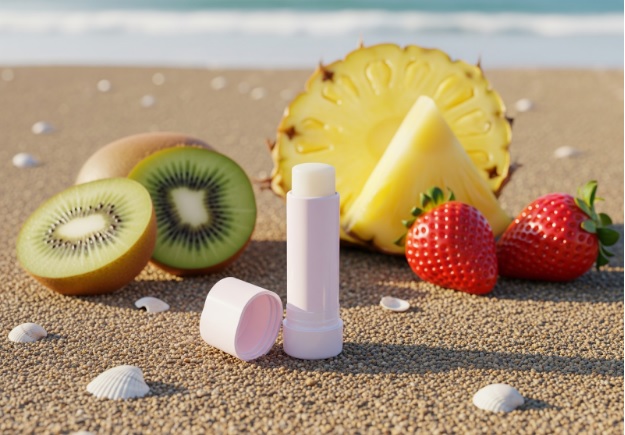
For many people, lip care is as much about experience as it is about protection. A tropical lip balm promises a hint of vacation with every application—evoking fruit, ocean air, and warm weather. Beyond flavour and fragrance, however, effective balms must address real needs: hydration, comfort, and support for the delicate skin of the lips. Evaluating formulas thoughtfully helps distinguish novelty from genuinely useful hydrating lip care.
Understanding the Needs of Lip Skin
The skin on the lips differs from the rest of the face. It is thinner, contains fewer oil glands, and lacks the same protective outer layer. As a result, lips are more prone to dryness, chapping, and environmental stress. Wind, sun, air conditioning, and frequent licking can all contribute to discomfort.
A well‑designed tropical‑flavored balm aims to replenish moisture while creating a protective barrier that reduces water loss. The sensory elements—scent and flavour—are an added dimension, but they should not come at the expense of function.
Key Hydrating and Protective Ingredients
When examining a product like a maui lip balm or other tropical‑themed options, ingredient lists provide critical information. Common nourishing components include:
- Plant oils and butters such as coconut, shea, or cocoa butter, which soften and condition.
- Waxes (like beeswax or plant‑based alternatives) that form an occlusive layer to lock in moisture.
- Humectants (such as glycerin) that attract water, helping lips feel more supple.
Some formulations may also incorporate antioxidants or soothing botanicals, which can support the lips’ resilience against environmental exposure.
Texture, Finish, and Everyday Comfort
Lip balms differ widely in how they feel on application. Some are light and almost gel‑like, while others are rich and waxy. The ideal texture depends on personal preference and intended use. For daytime wear under masks or in professional settings, many people prefer a non‑sticky, smooth finish that does not feel heavy. For overnight repair, a thicker, more occlusive balm might be desirable.
A good tropical lip balm should glide on easily, distribute evenly, and feel comfortable without frequent need for reapplication. Excessively slippery products may wear off quickly, while very hard formulas can be difficult to spread.
Scent, Flavour, and Sensitivity
Fragrance and flavour define much of the “tropical” experience—notes of coconut, pineapple, or other fruits are common. While enjoyable, they can occasionally irritate very sensitive lips. Individuals who have reacted to fragranced cosmetics in the past may wish to patch‑test new balms or choose lightly scented options.
It is also important to avoid over‑licking the lips in response to pleasant flavours. Saliva can evaporate quickly, contributing to further dryness and counteracting the balm’s intended benefits.
Considering Sun Exposure and Outdoor Use
In sunny environments, lips are frequently exposed to ultraviolet radiation but often receive less protection than the rest of the face. Some balms include sun‑protective ingredients to help address this. When spending significant time outdoors—on the beach, hiking, or near water—selecting a product with appropriate sun protection can be beneficial.
Even when SPF is not present, pairing a tropical lip balm with general sun‑safe habits, such as wearing a hat and seeking shade, helps support overall skin health.
Frequency of Use and Layering with Other Products
Most people reapply lip balm several times per day, especially after eating or drinking. A well‑formulated tropical lip balm can be used alone or as a base under tinted products. When layering, it is helpful to apply a thin coat and allow a moment for absorption before adding colour, to prevent slipping or uneven texture.
At night, a slightly thicker layer may be applied as a simple lip mask, allowing conditioning ingredients more sustained contact while you sleep.
Reading Labels and Aligning with Personal Values
Beyond performance, some users consider sourcing and formulation philosophies when choosing lip care. Factors may include:
- Preference for certain plant‑based or naturally derived ingredients
- Interest in limited or transparent fragrance components
- Considerations related to animal testing or specific wax types
Reviewing product descriptions and brand information can provide clarity on these points.
Conclusion
A tropical lip balm can be both a small daily pleasure and a practical tool for maintaining lip comfort. By focusing on hydrating and protective ingredients, comfortable texture, appropriate scent intensity, and suitability for your environment, you can select a balm that does more than evoke a vacation mood. Thoughtful choices in lip care help keep this delicate area soft, smooth, and better protected through changing seasons and conditions.