Common Mistakes Newbies Make on Char Dham Tours
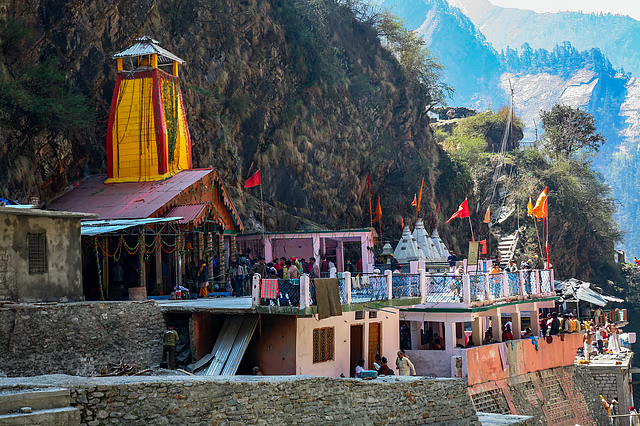
The Char Dham Yatra—covering Yamunotri, Gangotri, Kedarnath, and Badrinath—is one of the most spiritually uplifting and scenic pilgrimages in India. Every year, millions of devotees set out to the Himalayas for blessings, peace, and adventure. But for many first-time travelers, the experience becomes more stressful than soulful simply because they underestimate the terrain, weather, and physical demands of the journey.
If you’re planning your first Char Dham tour, being aware of the most common mistakes can help you avoid discomfort and ensure a smooth, safe, and memorable pilgrimage. This comprehensive guide highlights the pitfalls many newbies fall into—and how you can avoid them entirely.
1. Underestimating the Weather and Terrain
Perhaps the most common mistake is assuming that the Char Dham journey will be like any other hill tour. The Himalayan climate is unpredictable, and weather conditions can change dramatically within minutes.
What Newbies Typically Do:
- Pack light clothing thinking summer will be warm.
- Ignore weather alerts and travel predictions.
- Fail to prepare for rain, snow, or landslides.
Why This is Risky:
Yamunotri and Kedarnath, in particular, are high-altitude regions where temperatures can dip sharply even in May and June. Unexpected rain or snow can make paths slippery and dangerous.
How to Avoid This Mistake:
- Pack layers: thermals, sweaters, windcheaters, and waterproof jackets.
- Carry rain gear even if forecasts look clear.
- Check daily weather updates before heading out for temple visits.
- Use high-quality trekking shoes with strong grip.
2. Poor Physical Preparation
Many travelers assume the yatra is purely spiritual and underestimate the physical strain. While some parts are accessible by vehicle, others—like the 16–18 km Kedarnath trek—demand stamina.
Typical Newbie Errors:
- Not building endurance before the trip.
- Starting the trip without acclimatizing.
- Walking too fast due to excitement or pressure.
Consequences:
- Breathlessness, fatigue, dizziness, or even altitude sickness.
- Muscle cramps that slow down the entire group.
- Risk of injuries on steep or uneven paths.
The Right Approach:
- Practice walking or jogging daily for at least a month before the yatra.
- Stay hydrated and eat balanced meals during the trip.
- Take short acclimatization breaks.
- Don’t rush—pace yourself steadily.
3. Carrying Too Much or Too Little Luggage
Packing mistakes are extremely common. Some pilgrims overpack and struggle with heavy bags, while others underpack and end up buying overpriced essentials along the route.
Newbie Packing Blunders:
- Taking large suitcases instead of backpacks.
- Carrying unnecessary clothes and gadgets.
- Forgetting essentials like medicines, woolens, or power banks.
Better Strategy:
Pack smart and carry only what you truly need:
- Warm clothing
- Comfortable trekking shoes
- Personal first-aid kit
- Travel-size toiletries
- Power bank and flashlight
- ID proofs and permits
Opt for a medium-sized backpack—easy to carry, secure, and hassle-free.
4. Ignoring Health Precautions and Medical Checkups
Many pilgrims embark on the Char Dham Yatra without assessing their health condition. This can be dangerous, especially for people with heart, respiratory, or mobility issues.
Typical Mistakes:
- Skipping mandatory health checkups.
- Traveling despite medical advice.
- Forgetting to carry prescription medicines.
- Not informing travel companions about existing medical conditions.
Why It’s Critical:
The yatra involves high altitudes and steep inclines, which may put pressure on your heart and lungs.
How to Prepare:
- Get a general medical checkup before booking the tour.
- Carry a medical file with prescriptions and emergency contacts.
- Bring essential medicines for altitude sickness, cold, fever, and stomach issues.
- Avoid smoking and alcohol during the trip.
5. Not Booking Accommodation and Transportation in Advance
Char Dham season—typically from April to November—attracts an enormous number of pilgrims. Accommodation at major locations like Kedarnath or Badrinath fills up rapidly.
What Newbies Do:
- Arrive without reservations and expect availability.
- Rely solely on last-minute arrangements.
- Assume luxury hotels will be available everywhere.
Reality Check:
Remote temple towns often have limited lodging options, especially during peak season.
Avoid This Mistake By:
- Booking hotels and guesthouses well in advance.
- Choosing reliable tour operators for packaged itineraries.
- Keeping buffer days to avoid rush-induced stress.
6. Over-relying on Mobile Networks and Digital Payments
The Himalayas are not metro cities; mobile connectivity and online payment options are often inconsistent or unavailable.
Common Misconceptions:
- Assuming mobile networks work everywhere.
- Carrying only digital payment methods.
- Not downloading essential documents for offline access.
Recommendations:
- Carry enough cash for small expenses, pony rides, and local purchases.
- Bring photocopies of ID proof, hotel vouchers, and medical documents.
- Download offline maps and itinerary details.
Major networks fail frequently in high-altitude areas, especially around Kedarnath.
7. Neglecting Temple Timings and Local Regulations
Most newbies don’t research temple schedules, which vary depending on weather, ceremonies, and daylight. This leads to long waiting times or missed darshans.
Typical Errors:
- Reaching temples too late or too early.
- Ignoring crowd expectations.
- Not checking special puja schedules.
How to Avoid This:
- Know the darshan timings for each dham in advance.
- Start early morning to avoid queues.
- Respect local rules regarding dress codes or photography restrictions.
8. Overexerting Themselves on the First Day
A common newbie mistake is trying to “cover everything in one go.” The excitement of beginning the Char Dham journey often leads travelers to push themselves too hard, especially on Day 1.
Consequences:
- Exhaustion
- Dehydration
- Heightened altitude discomfort
Better Approach:
Ease into the yatra. Start slow, rest adequately, and maintain a steady rhythm throughout the trip.
9. Not Respecting the Culture and Environment
Char Dham isn’t just a tourist trail—it’s a sacred path with deep spiritual significance. Unfortunately, newbies sometimes act unknowingly in ways that offend locals or harm the environment.
Common Mistakes:
- Littering in the mountains.
- Playing loud music in holy zones.
- Disrespecting temple protocols.
- Ignoring eco-friendly rules.
Respectful Behavior Includes:
- Carrying waste bags and disposing trash properly.
- Being soft-spoken around religious areas.
- Dressing modestly.
- Supporting local businesses responsibly.
10. Skipping Travel Insurance
Most first-time travelers overlook travel insurance, assuming it’s unnecessary. But the unpredictable Himalayan terrain says otherwise.
Risks of Not Being Insured:
- High costs for emergency evacuations.
- Unexpected medical expenses.
- Loss of luggage without compensation.
Solution:
Always get a travel insurance policy that specifically covers high-altitude trekking and natural calamities.
11. Expecting Luxury Everywhere
If you’re used to city comforts, the Char Dham Yatra may surprise you. Not every destination offers plush hotels, multi-cuisine restaurants, or modern amenities.
Newbie Expectations vs. Reality:
- Expecting 24/7 hot water in all locations.
- Looking for high-end restaurants.
- Expecting smooth roads throughout.
Be Prepared For:
- Basic accommodations in certain regions.
- Limited food options.
- Rough patches of road due to landslides or repair work.
Embrace the simplicity—it’s part of the pilgrimage experience.
12. Not Hiring Local Guides When Needed
Some trekkers feel confident navigating on their own and skip hiring guides or local support.
What Can Go Wrong:
- Missing alternate safe routes.
- Getting misinformed about trekking conditions.
- Underestimating the difficulty of the path.
Why Local Guides Matter:
- They know the terrain and weather patterns.
- They help with logistics like ponies, palkis, and resting points.
- They ensure safety during uncertain conditions.
13. Rushing Through the Holy Sites
The Char Dham pilgrimage is meant to nourish the soul. However, many newbies rush the experience:
Common Behaviors:
- Quickly visiting shrines without taking time to pray.
- Feeling pressured by tight schedules.
- Clicking pictures hurriedly rather than soaking in the moment.
The Right Mindset:
Take your time. The Himalayas offer peace, spirituality, and reflection—don’t transform your pilgrimage into a race.
14. Not Keeping Emergency Contacts Handy
Many travelers assume they can just “call someone” in case of a problem. But network failures, battery drains, or physical exhaustion can complicate things.
Never Forget To Keep:
- Local emergency numbers
- Hotel contact info
- Tour operator helpline
- Details of your travel companions
Store them both digitally and on paper.
15. Choosing an Overly Tight Itinerary
Char Dham roads and treks are prone to delays due to weather, repairs, or natural events. But many newbies pack too much into too little time.
Problems With Tight Schedules:
- Stress and fatigue
- Health issues due to rushing
- Missing darshan windows
Ideal Practice:
Always add buffer days to your itinerary. Flexibility ensures a more peaceful experience.
Final Thoughts
The Char Dham Yatra is a life-changing journey filled with devotion, stunning natural beauty, and Himalayan adventure. While the path can be demanding, avoiding the common mistakes mentioned above will help ensure your trip remains smooth, fulfilling, and safe. Prepare well, respect the mountains, and embrace the spiritual essence of the journey.
If planned mindfully, your first Char Dham pilgrimage can become a cherished memory that stays with you forever.