What to Expect During a Professional Outdoor Lighting Installation in Georgia
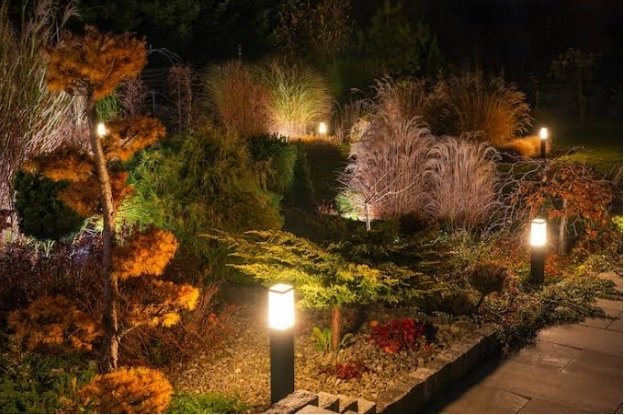
An outdoor lighting project becomes easier to manage when homeowners understand the sequence from site assessment to final adjustment. Clear decisions early in the process can prevent disruptive changes once cables and fixtures are installed. The process is easier when every light has a clear purpose. The following considerations bring together layout, visual comfort, installation planning, and upkeep so an outdoor space remains useful as its surroundings change.
Prepare a useful project brief
Identify the areas you want to use after sunset, persistent dark spots, and any special concerns such as steps or entrances. Share a realistic budget range and preferred look. Photographs of the property in daylight and at night can help the discussion. The same light can feel welcoming from one viewpoint and distracting from another. When evaluating Outdoor Lighting Installation Georgia, use this checkpoint to distinguish attractive presentation from practical suitability. People considering Outdoor Lighting Installation Georgia should check practical requirements before making a final choice.
Review the on-site assessment
An installer should examine electrical access, the landscape, drainage conditions, and possible cable routes. Ask how the system will accommodate future garden growth and seasonal use. The proposal should explain objectives rather than simply list fixture quantities. Outdoor materials and landscaping are not static. Soil settles, plants mature, and furniture may move. Plan access to fixtures so adjustments and cleaning do not require dismantling nearby features. This small consideration can reduce future maintenance costs. When evaluating Outdoor Lighting Installation Georgia, use this checkpoint to distinguish attractive presentation from practical suitability. People considering Outdoor Lighting Installation Georgia should check practical requirements before making a final choice.
Understand the proposed layout
Review a location plan for path lights, accents, wall fixtures, and controls. Ask what each group of fixtures accomplishes. A clear layout helps you spot potential glare near windows, seating areas, and neighboring properties before work begins. It helps to distinguish visibility from brightness. A well-aimed, modest source can make a step or pathway readable without flooding the area. Shielding and placement often achieve more than increasing wattage or adding another fixture. For examples relevant to this decision, review Outdoor Lighting Installation Georgia and compare the details with your own priorities. As a final check, list the two or three qualities that matter most for this particular situation. Compare those priorities with the available information before deciding. A careful review helps distinguish a genuinely suitable choice from one that simply looks appealing in a photograph. Consider how expectations may change over time. Weather, practical routines, and the way people actually use an item or space can all influence satisfaction. A choice that remains comfortable and easy to maintain usually provides more lasting value. If several options seem equally attractive, compare the details that are easiest to overlook: maintenance requirements, sizing or placement, long-term usability, and any additional work needed. Those differences can have more impact than a small variation in appearance.
Clarify installation methods and responsibilities
Discuss how wiring will be routed and protected, who handles required electrical work, and how planting beds or paved surfaces will be restored. Confirm applicable permits or inspections when relevant. Agree on access dates and any likely disruption in advance. Before buying equipment, ask who will install it and which electrical and site requirements apply. Product ratings, moisture protection, and safe wiring deserve attention from the outset. Decorative ambition should never override the instructions or applicable rules for the property. When evaluating Outdoor Lighting Installation Georgia, use this checkpoint to distinguish attractive presentation from practical suitability.
Schedule a night-time adjustment
Proper aiming is easier to evaluate after sunset. Walk through typical routes, test controls, and assess shadows or overly bright areas. Request adjustments while the installation details are still fresh rather than accepting the daytime appearance as the final result. Consider how the property looks from several perspectives, including nearby windows and the street. A beautiful effect from the patio may create unwanted spill elsewhere. Small changes in beam direction and fixture position can improve the overall experience. When evaluating Outdoor Lighting Installation Georgia, use this checkpoint to distinguish attractive presentation from practical suitability.
Keep records for ownership and maintenance
Save fixture specifications, control instructions, warranty details, and a basic location map. Ask how to clean lenses, identify failures, and request service. Good documentation makes it easier to expand the system later without duplicating or damaging existing work. Think about maintenance as part of the design rather than a separate chore. Keep fixture details and a simple layout diagram, test the controls occasionally, and revisit the setup after landscaping changes. Good records make troubleshooting significantly easier. When evaluating Outdoor Lighting Installation Georgia, use this checkpoint to distinguish attractive presentation from practical suitability.
Conclusion
A measured design can improve the atmosphere and usefulness of outdoor spaces without unnecessary brightness. Put safety, appropriate installation, and controllable light ahead of visual excess, then refine the effect during an evening walkthrough. A thoughtful decision starts with the needs of the people who will use or wear the result, rather than a fixed trend or an isolated product photograph.