Keeping Sound Consistent Across Long Live Sets Without System Strain
A live set can sound balanced during the first song and harsh by the final encore. The change may come from rising stage volume, tired ears, hotter equipment or small level increases made throughout the night. Consistency depends on managing the whole signal chain, not pushing the system harder whenever the room feels less exciting.
Start with gain structure. Each device should receive a healthy signal without clipping, from the source and mixer through processing to the amplifiers. Excessive gain in one stage creates noise or distortion that cannot be repaired later. Very low signal levels can also encourage operators to compensate at the wrong point.
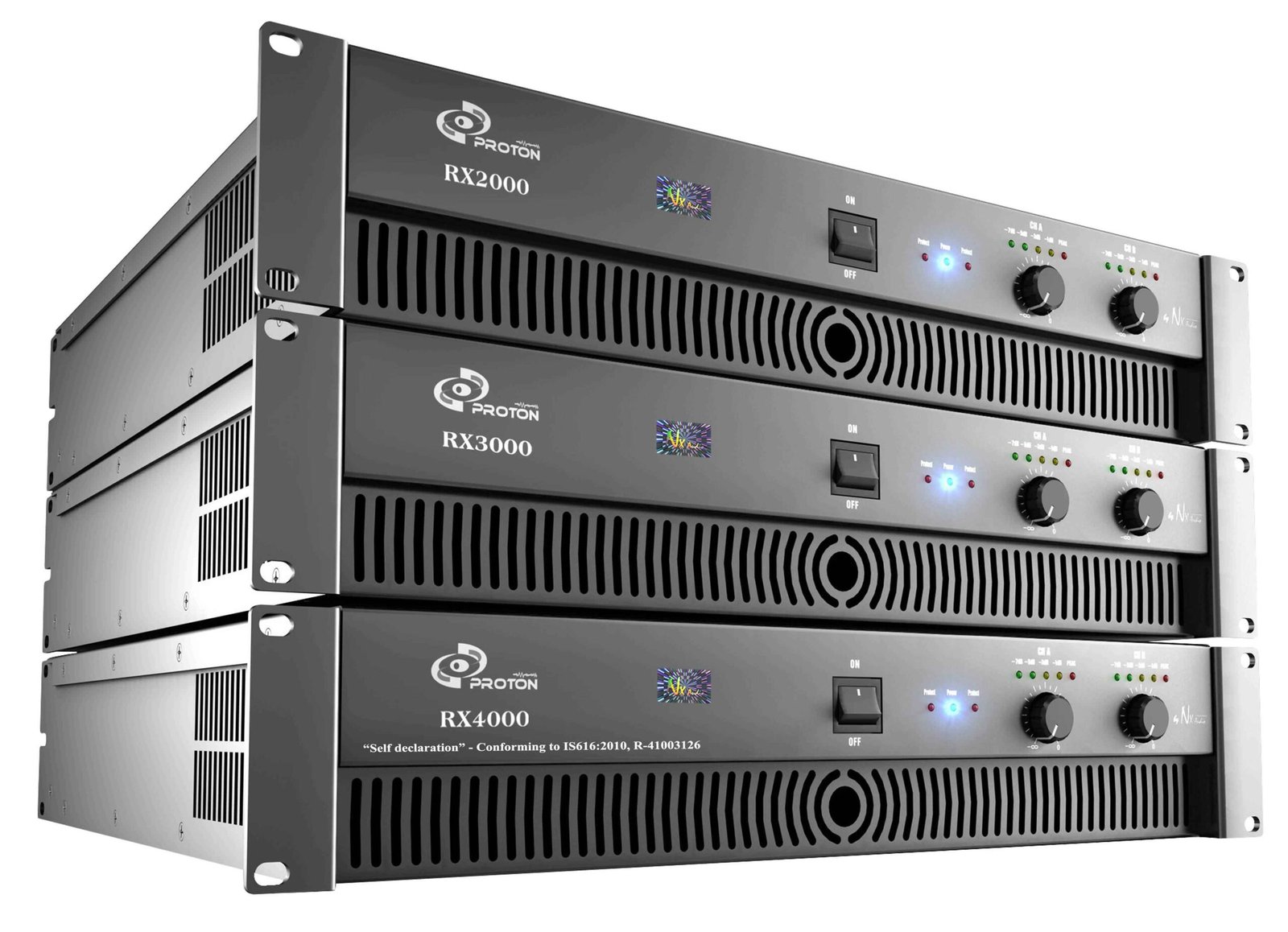
System headroom should be established during planning.Professional power amplifiers should then be operated with suitable headroom rather than treated as an unlimited reserve. Professional power amplifiers need to suit the loudspeakers, system design and expected programme material. Matching is not a matter of choosing the largest number on a specification sheet. Venue operators should follow manufacturer guidance and use competent audio professionals where system design or installation is involved.
Limiters can protect a system from peaks, but they are not a licence to mix continuously against a ceiling. Heavy limiting reduces dynamics and may make the sound feel smaller even as average level rises. Operators should set processing correctly, then watch for repeated limiter activity as a warning that the system is being asked for more than it can deliver cleanly.
Heat management matters over a long set. Amplifier racks need clear airflow, clean filters where fitted and enough space around vents. Cases, curtains and stored cables should not block cooling paths. Equipment that becomes unusually hot, shuts down or produces warning indicators needs attention rather than a quick reset between songs.
The loudspeaker load must remain within the approved configuration. Adding extra cabinets or changing wiring can alter the load seen by an amplifier. Such changes should be checked against the equipment documentation and system design. Guesswork risks poor performance or damage.
Listening discipline helps prevent level creep. Human hearing adapts during sustained exposure, so the mix may begin to feel less powerful even when the system level has not fallen. A calibrated measurement approach, venue limits and planned reference tracks can provide more reliable anchors than tired ears alone.
Stage volume also affects front-of-house consistency. Guitar amplifiers, drums and monitors may become louder as performers settle into the show. The engineer can discuss monitor needs early, maintain communication and avoid competing with the stage by simply increasing the main system.
Changes in audience size alter the room. A full dance floor absorbs and scatters sound differently from an empty soundcheck. Small, controlled adjustments may be needed, especially in the high frequencies. Broad boosts made in frustration can create an aggressive mix in other parts of the venue.
Maintenance supports every performance. Connectors, fans, loudspeaker cables and rack hardware should be inspected on a routine schedule. Intermittent faults can appear only after vibration or heat builds, making them difficult to diagnose during a show. Clear service records help identify repeating problems.
Professional power amplifiers perform best when they operate inside a well-planned system with sensible levels and ventilation. Their role is to provide clean, dependable power, not to compensate for weak gain structure or unrealistic coverage expectations.
Breaks in the programme offer a useful reset. The engineer can compare the current mix with a reference, check rack indicators and confirm that vents remain unobstructed. Musicians can discuss monitor changes before the next set rather than making large adjustments mid-song. These short checks around professional power amplifiers are more effective than waiting for audible distortion or a protection shutdown. They also create a record of when a developing problem first appeared.
A consistent long set is therefore the result of restraint. The engineer protects headroom, monitors heat, controls stage spill and resists unnecessary level increases. When professional power amplifiers and the rest of the system remain within their intended operating conditions, the final song can retain the clarity and impact of the first.