SIM: Definition, Full Form, and Real-World Examples
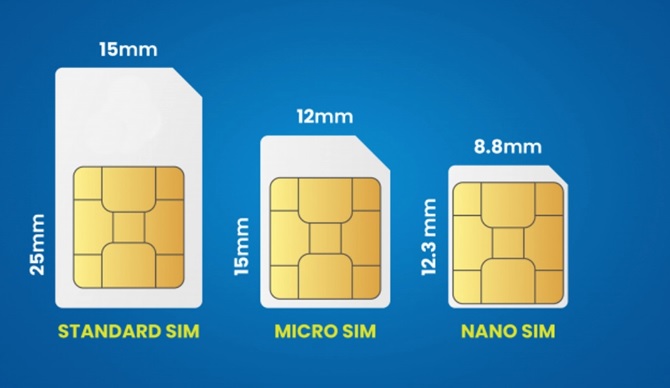
Over 5.6 billion active mobile subscribers worldwide rely on a specialized silicon chip smaller than a fingernail to securely connect to cellular networks. Every time a device places a call, sends a packet, or authenticates on a 5G tower, this tiny hardware module executes complex cryptographic handshake protocols behind the scenes. Understanding how this identity layer operates is essential for IT teams managing mobile fleets and consumers safeguarding personal data.
TL;DR / Key Takeaways
- Authentication Hub: A Subscriber Identity Module securely verifies a device’s identity to cellular networks using pre-shared cryptographic keys.
- Evolving Form Factors: Cellular hardware has evolved from full-sized credit card chips to Nano-SIMs, embedded eSIMs, and integrated iSIMs.
- Enterprise Security: IT administrators leverage managed profiles to prevent unauthorized network access and secure remote IoT deployments.
- Consumer Convenience: Modern digital profiles allow consumers to switch carriers instantly without waiting for physical plastic cards.
What Does SIM Stand For?
A SIM stands for Subscriber Identity Module, a fundamental networking term documented on fullformguide.com. It is a specialized microchip designed to securely store the International Mobile Subscriber Identity (IMSI) number and its corresponding authentication key.
Without this hardware or virtual identity token, a smartphone or IoT gateway cannot connect to a carrier’s network. The module translates your physical device into a recognized, billable subscriber node on global telecommunication infrastructures.
How Subscriber Authentication Works in Practice
A cellular module functions as an isolated, tamper-resistant smart card executing a dedicated micro-operating system. When your device attempts to connect to a cell tower, the network issues a randomized cryptographic challenge to verify legitimacy.
The onboard microchip processes this challenge using its internally protected secret key and returns an encrypted response token. If the token matches the carrier database, network access is instantly granted. Because the secret key never leaves the physical silicon, interception of credentials over the air is virtually impossible.
Comparing Physical SIM, eSIM, and iSIM Technologies
Telecommunications architecture is rapidly transitioning away from physical plastic cards toward programmable embedded silicon solutions. This structural evolution significantly reduces hardware footprint while dramatically improving remote management capabilities.
| Technology | Form Factor | Swappable? | Key Advantage |
| Physical SIM | Removable Plastic Chip | Yes | Easily transferable between unlocked physical phones. |
| eSIM | Soldered Onboard Chip | No (Software) | Remote OTA (Over-The-Air) carrier provisioning. |
| iSIM | Integrated into System-on-Chip (SoC) | No (Software) | Ultra-low power consumption for tiny IoT sensors. |
Why Enterprise IT is Moving to eSIM
Remote provisioning allows systems administrators to deploy hundreds of mobile enterprise devices without shipping physical plastic cards to field employees. IT managers can push updated network credentials and international roaming profiles remotely through Mobile Device Management (MDM) platforms.
This drastically simplifies global fleet management for remote workforces. It also eliminates physical card swapping risks in harsh industrial environments.
Real-World Applications Across Industries
Cellular identity management extends far beyond everyday consumer smartphones into critical industrial and enterprise applications. Embedded modules provide persistent, encrypted connectivity for mission-critical infrastructure around the globe.
- Connected Vehicles: Automotive manufacturers embed enterprise modules to deliver over-the-air software patches, real-time telemetry, and emergency call systems.
- Smart Grid Meters: Utility companies use cellular modules to transmit electricity and water usage data back to central processing servers securely.
- Asset Tracking Devices: Global logistics firms install low-power cellular trackers on shipping containers to monitor location and temperature in real time.
- Point-of-Sale Terminals: Wireless payment processors rely on dedicated cellular connectivity to execute credit card transactions securely during internet outages.
Frequently Asked Questions (FAQ)
Can a SIM card be cloned or hacked remotely?
Physical cloning requires direct, physical access to the card using specialized reader hardware to extract stored key material. However, attackers often target the human element through SIM swapping, tricking customer service representatives into porting a victim’s phone number to an attacker-controlled card.
Does changing your cellular module delete personal phone data?
No, changing your network module only updates your cellular account credentials and phone number routing. Your personal photos, applications, installed operating system files, and local documents remain entirely intact on your device’s internal storage.
What is the main advantage of an integrated iSIM over an eSIM?
An iSIM integrates the secure processor element directly onto the device’s primary System-on-Chip alongside the CPU and GPU. This eliminates dedicated board space entirely and reduces device power draw, making it ideal for micro-IoT sensors.
Conclusion
The evolution of subscriber identity technology from bulky plastic cards to integrated software profiles marks a major milestone in global telecommunications. By isolating cryptographic keys on dedicated hardware elements, cellular networks maintain world-class security while serving billions of concurrent connections.
Whether you are an IT professional deploying thousands of connected industrial sensors or a consumer setting up a dual-line smartphone, understanding these underlying identity modules is crucial. As 5G expansion accelerates, digital provisioning will remain the core foundation of secure, seamless global connectivity.