Which Bird Photography Tours Offer the Best Results?
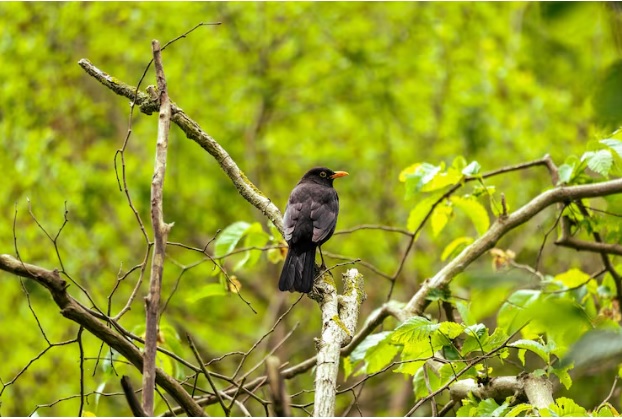
Specialized bird photography tours transform passionate birders and photographers into skilled avian image makers by combining expert guidance, exceptional locations, and optimal timing.
Unlike general wildlife tours, dedicated bird photography experiences focus on creating stunning images of birds in their natural habitats, providing instruction, equipment recommendations, and field techniques to capture publication-quality photographs of everything from common songbirds to rare tropical species.
What Makes Bird Photography Tours Unique
Bird photography presents unique challenges that general photography tours rarely address adequately. Birds move quickly, appear at unpredictable moments, and often hide in challenging lighting conditions. Successful bird photography requires understanding avian behavior, mastering specialized camera techniques, and positioning yourself strategically for optimal shots. Dedicated photography tours provide this essential knowledge through experienced guides who understand both ornithology and photographic technique.
The best tours operate during peak migration seasons or breeding periods when bird activity reaches maximum levels. Spring migration brings spectacular warblers, tanagers, and tropical species northward, while fall migration offers different species and interesting juvenile plumages. Breeding season photography captures dramatic courtship displays, nest-building activities, and parental care behaviors that create compelling storytelling images.
Location Selection and Access
Professional bird photography tours provide access to private lands, nature preserves, and specialized blinds unavailable to individual photographers. These carefully selected locations concentrate bird activity through habitat quality, feeding stations, or natural migration corridors. Guides maintain relationships with landowners and conservation organizations, opening doors that independent photographers cannot access.
Essential Elements of Quality Tours
Small group sizes distinguish exceptional bird photography experiences from disappointing ones. Intimate groups of 4-8 participants ensure everyone receives individual attention, gets clear sightlines to subjects, and benefits from personalized instruction. Large groups create noise, limit shooting opportunities, and dilute the guide’s effectiveness. Small groups also move more quietly through habitats, increasing encounter rates with shy species.
Expert guides make or break photography tours. The best guides combine deep ornithological knowledge with photographic expertise, understanding both where birds will be and how to help participants capture stunning images. They read bird behavior, predict movements, and position photographers for optimal angles and lighting. Their field experience translates into significantly more shooting opportunities and higher success rates for participants.
Technical Instruction and Support
Quality tours include hands-on technical instruction covering camera settings for various lighting conditions, focusing techniques for moving subjects, and composition principles specific to bird photography. Guides help participants master their equipment, troubleshoot technical issues, and develop an eye for compelling bird images. Evening critique sessions reviewing the day’s captures reinforce learning and accelerate skill development.
Types of Bird Photography Experiences
Different tour formats serve varying skill levels and photographic goals. Beginner-focused tours emphasize fundamentals and commonly encountered species, building confidence through achievable subjects. Advanced workshops target rare species, complex behaviors, or challenging photographic techniques like flight photography or low-light situations. Specialized tours focus on specific bird families—hummingbirds, raptors, shorebirds, or waterfowl—allowing deep dives into particular photographic challenges.
Destination variety ranges from local day trips to international expeditions. Regional tours explore nearby hotspots, building location knowledge participants can revisit independently. Tropical destinations offer spectacular diversity and colorful species rarely seen in temperate zones. Arctic and sub-Arctic tours provide unique opportunities for seabirds, alcids, and breeding shorebirds in dramatic landscapes.
Seasonal Considerations
Each season offers distinct photographic opportunities. Spring brings vibrant breeding plumages and energetic courtship behaviors. Summer focuses on nesting activities and fledglings. Fall migration creates concentrations of southbound birds, often in fresh plumages. Winter photography captures species unavailable during warmer months and offers cleaner compositions without foliage obscuring subjects.
Maximizing Your Photography Tour Investment
Preparation significantly impacts tour success. Research target species beforehand, familiarize yourself with your equipment, and practice essential techniques. Bring appropriate gear including telephoto lenses (400mm minimum for most applications), sturdy tripods or monopods, and backup batteries. Understanding your camera’s autofocus modes and customizing button configurations before the tour allows you to focus on subjects rather than fumbling with settings.
Physical fitness matters more than many photographers realize. Bird photography involves early mornings, hiking moderate distances while carrying equipment, and remaining stationary in sometimes uncomfortable positions. Maintaining reasonable fitness levels ensures you can keep pace with the group and remain alert during productive shooting hours. Comfortable, weather-appropriate clothing and supportive footwear prevent fatigue from limiting your photographic opportunities.
Post-Tour Practice and Growth
The learning continues after tours conclude. Review and edit your images critically, identifying strengths to build upon and weaknesses to address. Practice techniques learned during the tour in local environments. Many photographers find that tours ignite passion for regular bird photography practice, transforming occasional interest into dedicated pursuit. The combination of expert instruction, field experience, and continued practice produces dramatic improvements in photographic skill and artistic vision.
Conclusion
Exceptional bird photography tours combine specialized knowledge, prime locations, and personalized instruction to accelerate photographic growth while creating unforgettable wildlife encounters. Small groups, expert guides, and carefully selected destinations ensure participants capture compelling images while developing skills applicable to independent photography. Whether you’re beginning your bird photography journey or refining advanced techniques, dedicated tours provide immersive experiences that transform passion into proficiency, delivering both stunning images and lasting memories of remarkable avian subjects in their natural environments.