Understanding the Five Elements Represented in Tibetan Prayer Flags
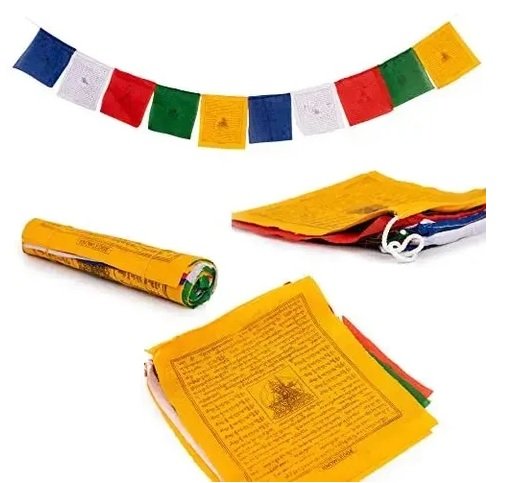
The colours and patterns found on Tibetan prayer flags are more than decorative features. Each colour represents one of the five natural elements: Earth, Water, Fire, Air, and Space. In Tibetan Buddhist traditions, these elements are connected with the natural world, human life, and the balance of the environment. Understanding their meaning helps people appreciate why prayer flags follow a particular colour sequence and why they are commonly displayed in mountains, monasteries, homes, and outdoor spaces. Rather than being simple pieces of colourful fabric, these flags carry spiritual messages of peace, compassion, harmony, and goodwill.
Why Are Five Colours Used in Tibetan Prayer Flags?
The five colours represent the five elements that are traditionally believed to form and support the natural world. Each element has its own qualities and symbolic meaning. Together, they represent balance and the connection between all forms of life.
The traditional colour sequence is:
- Blue – Space: Represents openness, wisdom, and the vastness of the sky.
- White – Air: Symbolises wind, movement, and the breath of life.
- Red – Fire: Represents warmth, energy, and transformation.
- Green – Water: Symbolises flexibility, renewal, and the flow of life.
- Yellow – Earth: Represents stability, strength, and nourishment.
These colours are traditionally arranged in a specific order, with each one representing an important part of the natural balance.
1. Blue: Space and the Importance of Openness
Blue represents space, which provides room for all other elements to exist. It is associated with the sky, openness, and the unlimited nature of the universe.
What does it teach us?
- Freedom: Encourages an open and peaceful outlook.
- Wisdom: Symbolises clarity and awareness.
- Connection: Reminds us that everything exists within a shared environment.
Space is important because it allows the other four elements to function together. Without space, there would be no room for movement, growth, or change.
2. White: Air and the Movement of Life
White represents air and wind. It is connected with breathing, movement, and the invisible forces that support life.
Its main symbolic meanings include:
- Breath: Represents the life force that keeps living beings active.
- Movement: Reflects change, circulation, and the natural flow of energy.
- Purity: Symbolises peace, clarity, and a fresh beginning.
Air also explains why prayer flags are traditionally placed in open and elevated locations. As the fabric moves with the wind, Buddhist prayers and positive wishes are symbolically carried into the surrounding environment.
3. Red: Fire and the Energy of Transformation
Red represents fire, an element associated with warmth, strength, and transformation.
What does red symbolise?
- Energy: Represents activity, motivation, and vitality.
- Transformation: Reflects the ability to change and overcome difficulties.
- Warmth: Symbolises the nurturing energy that supports life.
Fire is not only associated with physical heat. In spiritual symbolism, it also represents the energy required for personal development. Its presence in the five-colour arrangement reminds people that positive change requires awareness and effort.
4. Green: Water and the Power of Adaptability
Green represents water, which supports life through nourishment, movement, and renewal.
The important meanings include:
- Adaptability: Water changes its direction according to its surroundings.
- Growth: Represents nourishment and the development of living things.
- Renewal: Symbolises freshness, balance, and continuous movement.
Water teaches an important lesson about accepting change instead of resisting it. Just as rivers continue flowing around obstacles, people can also learn to adjust to difficult situations while maintaining their direction.
5. Yellow: Earth and the Foundation of Stability
Yellow represents earth, the element that provides a foundation for life. It is associated with strength, nourishment, and stability.
Its symbolic importance includes:
- Stability: Represents a strong foundation and reliability.
- Nourishment: Reflects the earth’s ability to support plants, animals, and people.
- Grounding: Encourages patience, balance, and a connection with nature.
Earth completes the five-element arrangement by representing the physical foundation on which life develops. It reminds people of the importance of remaining balanced and connected to their surroundings.
How Do the Five Elements Work Together?
The five elements are not separate ideas. They represent different qualities that depend on one another to maintain balance in the natural world.
For example, earth provides a foundation for plants, water nourishes them, fire provides warmth, air supports breathing and movement, and space allows everything to exist.
This relationship explains the deeper message behind the five-colour arrangement. It encourages people to understand nature as an interconnected system rather than treating its different parts as independent.
What Do the Prayers and Symbols on the Flags Represent?
Apart from their colours, traditional prayer flags contain printed symbols, sacred mantras, and Buddhist prayers. One of the most recognisable images is the Wind Horse, known as Lung Ta in Tibetan.
Its significance includes:
- Wind Horse: Represents good fortune, positive energy, and the carrying of prayers.
- Sacred Mantras: Contain spiritual words intended to spread blessings and compassion.
- Auspicious Symbols: Represent qualities such as wisdom, protection, prosperity, and harmony.
When Nepalese prayer flags move in the wind, they are traditionally believed to spread the positive intentions written on them. This practice reflects the Buddhist belief that prayers and good wishes should benefit all living beings, not just the person who hangs the flags.
Education+1
Why Is the Natural Fading of Prayer Flags Meaningful?
An interesting aspect of traditional prayer flags is that they are not expected to remain bright and new forever. Their gradual fading and weathering can be understood as a reminder of impermanence, an important concept in Buddhist philosophy.
Three ideas explain this tradition:
- Acceptance of Change: Colours gradually fade because of sunlight, rain, and wind. This reflects the changing nature of life.
- Spreading Good Wishes: The movement of the flags symbolises the distribution of prayers and positive intentions.
- Respect for Nature: Their natural ageing reminds people that all physical objects eventually change.
Therefore, fading is not necessarily considered a sign that the flags have lost their spiritual meaning.
Conclusion
The five elements represented in Tibetan prayer flags explain the relationship between nature, life, and spiritual balance. Blue represents space, white represents air, red represents fire, green represents water, and yellow represents earth. Each colour carries a different message, but together they represent harmony and the connection between all living things. Understanding these meanings makes prayer flags more than decorative objects and helps people appreciate the cultural and spiritual traditions behind them.
Every traditional Himalayan craft carries a story worth discovering. Himalayan Bazaar brings customers closer to the artistic and spiritual heritage of Nepal and Tibet through its collection of authentic handcrafted products. Their collection also introduces customers to traditional sound instruments, including tingsha bells, making it easier to explore topics such as tingsha bells origin and their cultural significance. Through their focus on craftsmanship and traditional artistry, they help customers appreciate the stories, skills, and cultural values behind Himalayan products.